
Fintech Startup Parker's Sudden Bankruptcy: What Went Wrong?
TL;DR
- Parker, a Y Combinator-backed fintech promising e-commerce credit cards and banking, abruptly shut down and filed for Chapter 7 bankruptcy on May 7 with $50-100M in assets and liabilities.
- Failed acquisition talks and sector-wide pressures like thin margins, competition, and profitability demands doomed the startup despite $200M+ in funding.
- The collapse leaves small business customers scrambling, highlights fintech reset, and prompts questions about banking partners' oversight.
The Abrupt End of a Fintech Darling
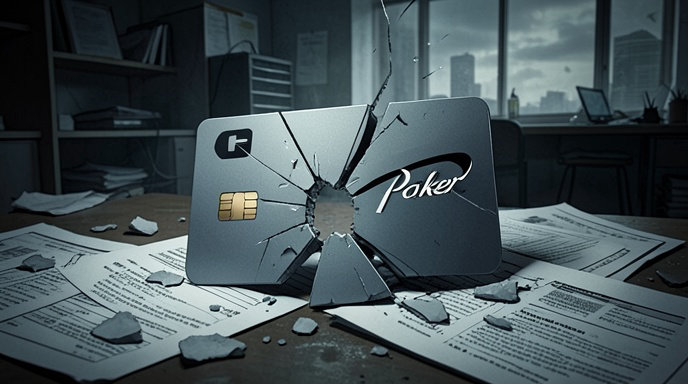
In a stark reminder of the fintech sector's volatility, Parker—a startup once hailed for revolutionizing corporate credit cards and banking for e-commerce businesses—has filed for Chapter 7 bankruptcy protection. The May 7 filing in Delaware bankruptcy court lists between $50 million and $100 million in both assets and liabilities, with 100 to 199 creditors. Multiple reports confirm the company has ceased operations, catching clients and investors off guard. Parker's website remains online, still boasting over $200 million in funding including a $125 million lending deal, but social media and customer notices from partner Patriot Bank paint a picture of sudden shutdown.
Parker's Meteoric Rise and Bold Promise
Parker emerged from stealth in 2023 as part of Y Combinator's winter 2019 cohort, quickly positioning itself as a game-changer for small and medium-sized businesses (SMBs), especially in e-commerce. Backed by heavyweights like Valar Ventures—co-founded by Peter Thiel, with successes like TransferWise and N26—the startup raised significant capital and targeted a lucrative niche.
At its core, Parker's "secret sauce" was an advanced underwriting process designed to assess volatile e-commerce cash flows accurately. It offered sleek corporate credit cards, bill pay, treasury management, and integrated banking services through partnerships with Piermont Bank for core banking and Patriot Bank for credit issuance. The pitch was irresistible: faster approvals, modern interfaces, and expense tools that outshone clunky traditional banks. For a time, it seemed poised to capture a slice of the booming SMB fintech market.
Cracks in the Foundation: What Drove the Collapse?
Despite elite credentials, Parker couldn't translate hype into sustainability. Fintech consultant Jason Mikula revealed that the company was in advanced acquisition talks, but their failure triggered the abrupt closure. This left small business customers in limbo, with urgent concerns over card access and fund recovery.
Broader industry headwinds sealed the fate:
- Thin Margins and Cutthroat Competition: Rivals with deeper pockets undercut pricing and dominated customer acquisition, eroding Parker's edge in a crowded field chasing the same startup and SMB clients.
- Capital-Intensive Realities: Building banking infrastructure is expensive, and Parker's growth-at-all-costs model clashed with a post-2021 funding chill. Investors now prioritize profitability over inflated valuations.
- Regulatory and Economic Pressures: The fintech landscape faces intensifying scrutiny, unit economics challenges, and a "broad reset" where even well-capitalized players fold without viable paths to breakeven.
Parker's May filing underscores these perils, marking it as another cautionary tale in a sector littered with high-profile failures.
Fallout for Customers, Partners, and the Ecosystem
The shutdown has immediate ripple effects. Patriot Bank's customer notices confirmed the end, prompting competitors to poach Parker's former users with targeted outreach. SMBs reliant on its services now face disruptions in payments, credit, and treasury functions, exacerbating cash flow issues in an already tough economy.
Questions swirl around banking partners Piermont and Patriot's oversight, with critics wondering how such a large operation unraveled so quickly. For creditors and investors, recovery looks uncertain given the balanced asset-liability sheet. Parker's 100-200 creditors span vendors, employees, and backers who poured in over $200 million.
Lessons for Fintech's Future
Parker's demise highlights the end of the easy-money era. Startups that thrived on Y Combinator prestige and VC firepower must now prove durable economics amid investor skepticism. The episode signals a maturing industry: elite backing alone won't suffice against operational realities.
As fintech pivots toward profitability, survivors will likely consolidate—potentially snapping up Parker's assets in bankruptcy auctions. For entrepreneurs, the takeaway is clear: innovate boldly, but build with resilience in mind. Parker's story isn't just a shutdown; it's a wake-up call for an entire sector.

Get All The Latest Updates Delivered Straight To Your Inbox For Free!