
Nuro Secures Driverless Testing Permit as Uber Prepares for Robotaxi Launch
TL;DR
- Nuro has secured a California DMV driverless testing permit for Lucid Gravity SUVs, marking a pivot from low-speed delivery pods to full passenger robotaxis.
- The permit enables unsupervised testing on public roads in Santa Clara and San Mateo Counties, paving the way for Uber's premium robotaxi service launch.
- Powered by Nvidia's DRIVE Thor, Nuro's tech faces additional regulatory hurdles but positions it strongly against rivals like Waymo and Zoox in the AV race.
A Milestone Permit for Driverless Dreams
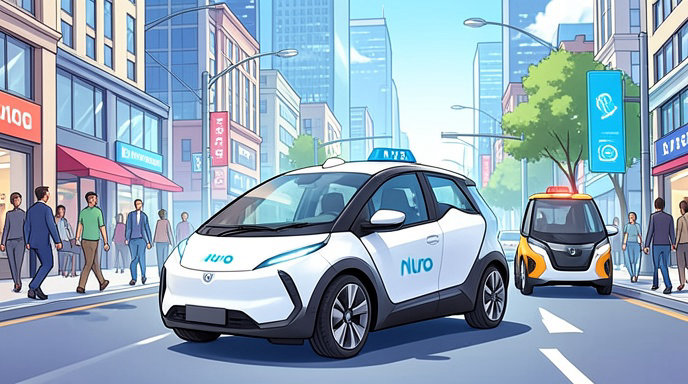
Nuro, the Silicon Valley autonomous vehicle pioneer once known for its quirky pod-like delivery bots, has hit a major regulatory milestone. The California Department of Motor Vehicles (DMV) has expanded Nuro's existing driverless permit to include testing of Lucid Gravity SUVs on public roads—without a human safety driver at the wheel. This green light comes just as Uber gears up to integrate Nuro's tech into its premium robotaxi fleet, signaling a bold shift in the company's strategy from goods delivery to passenger transport.
The approval modifies Nuro's six-year-old driverless permit, which previously covered only low-speed delivery vehicles. Now, the Lucid Gravity—a sleek electric SUV revealed earlier this year—joins the roster, equipped with Nuro's advanced "Nuro Driver" system. Company spokesperson David Salguero confirmed that driverless testing is slated to kick off later in 2026, though exact timelines remain under wraps.
From Delivery Pods to Robotaxi Rides
Nuro's journey has been anything but conventional. Originally focused on scrapping its delivery-only business model amid pivots, the startup—backed by heavyweights like Nvidia and Uber—announced plans earlier this year to license its Nuro Driver autonomy stack to automakers and mobility giants. Built on Nvidia's end-to-end safety architecture, including the automotive-grade DRIVE Thor computer and DriveOS, the system targets Level 4 autonomy: fully driverless operation in defined areas.
This permit authorizes testing in Santa Clara and San Mateo Counties (covering hotspots like Mountain View, Palo Alto, Menlo Park, and Los Altos) at all times of day and night. Operational design domain (ODD) limits include dry or wet pavement, light rain, and light to moderate fog, with speeds up to 45 mph for the Lucid models and 25-35 mph for legacy Nuro robots. It's a step up from prior approvals, which restricted operations to fair weather and lower speeds.
Currently, Nuro and Uber are running autonomous tests with safety drivers aboard. Uber employees can even hail these Lucid robotaxis via the app for real-world trials—still supervised, but a tantalizing preview of what's next.
Uber's Premium Robotaxi Ambitions
The real game-changer here is Uber's involvement. These Lucid Gravity vehicles are earmarked for Uber's upcoming premium robotaxi service, outfitted with high-res cameras, solid-state lidar, and radars for real-time environmental perception. Nuro's tech promises scalability across "all roads, all rides," as touted on their site, potentially accelerating Uber's push into driverless mobility.
However, the path to launch isn't clear yet. Beyond this DMV testing permit, Nuro needs a driverless ride-hailing permit from the California Public Utilities Commission (CPUC) and a full deployment permit from the DMV. Nuro's safety-first approach—rigorous simulations, on-road validation with sensor-equipped test vehicles, and dozens of testing categories—has already earned it distinctions like the first NHTSA-approved exemption for non-compliant AVs and California's inaugural deployment permit.
Navigating the Competitive AV Landscape
Nuro isn't alone in California's cutthroat AV arena. The DMV's latest list of driverless permit holders includes heavyweights like Waymo (expansive ops across multiple cities), Zoox, Mercedes-Benz (freeway testing in key regions), and newcomers like Tensor Auto. Nuro's edge? Its licensing model and Nvidia-powered stack, optimized for diverse vehicle types, could disrupt the market dominated by vertically integrated players.
French coverage highlights Nuro's potential to redefine last-mile logistics with cost savings and speed, though the focus has shifted to rides. As testing ramps up, expect ripple effects: cheaper, safer urban transport challenging traditional taxis, while pressuring competitors to match Nuro's regulatory agility.
What's Next for Nuro and Uber?
With driverless testing on the horizon, 2026 could be pivotal. Success here might fast-track Uber's robotaxi rollout, blending Nuro's AI prowess with Lucid's premium EVs. Yet, broader adoption hinges on proving safety at scale amid public skepticism and regulatory scrutiny. Nuro's mantra—"Autonomy for all"—feels closer than ever, promising a future where robotaxis aren't just sci-fi, but your next Uber ride. Stay tuned as these tests hit the roads.

Get All The Latest Updates Delivered Straight To Your Inbox For Free!