
Waymo Launches Chinese-Made Robotaxi to Revolutionize Ride-Hailing
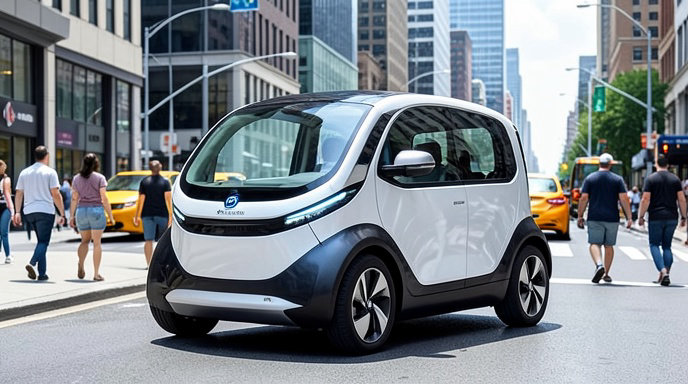
TL;DR
- Waymo has begun opening rider access to its Ojai robotaxi, a purpose-built electric minivan that carries the company’s sixth-generation Waymo Driver hardware.
- The vehicle is built in partnership with Chinese automaker Zeekr and uses a redesigned sensor suite aimed at lowering costs while improving performance and reliability.
- The launch underscores Waymo’s push toward profitability and scale, but the company still faces challenges from competition, regulation, and the high cost of autonomous operations.
Waymo’s newest robotaxi is now on the road
Waymo has started offering rides in its new Ojai robotaxi, marking the first passenger rollout of its purpose-built autonomous minivan platform. The company says the vehicle is launching first in San Francisco, Los Angeles, and Phoenix, with access expanding gradually to more riders and more cities.
The Ojai is notable because it was designed from the ground up as a robotaxi rather than adapted from a consumer vehicle. That makes it a major step for Waymo’s commercial strategy, which has long depended on retrofitted Jaguar I-Pace SUVs.
Built with Zeekr, designed for scale
The Ojai is built in partnership with Zeekr, the Chinese automaker under Geely, and is described as a Chinese-made, purpose-built electric minivan. According to reporting on the launch, the body is manufactured in China and then fitted with Waymo’s software and sensor package in the U.S.
That global supply chain matters because it suggests Waymo is optimizing not just for autonomy, but also for manufacturing economics. The Ojai appears to be intended as a more scalable platform for ride-hailing than the older I-Pace fleet, which was more expensive and less efficient to deploy.
Sixth-generation Waymo Driver brings a leaner sensor suite
Waymo’s sixth-generation Driver system is central to the Ojai rollout. Reports say the new platform uses fewer total sensors than the previous generation, with one account describing a 42% reduction in sensor count compared with the earlier Jaguar-based setup.
The system combines cameras, lidar, and radar to create a 360-degree awareness package, along with cleaning mechanisms and heating features to help the sensors function in rain, dust, and cold conditions. Waymo is also using a high-resolution 17-megapixel imager and external audio receivers to improve object detection and response to emergency vehicles.
Why Waymo says this vehicle matters
The Ojai appears to be Waymo’s answer to a long-standing problem in autonomous driving: how to make the service cheaper to run without sacrificing safety or performance. A purpose-built vehicle can improve passenger comfort, simplify internal packaging, and reduce the need to retrofit expensive consumer cars.
That is especially important now that Waymo is moving from a technology showcase into a real ride-hailing business. Free introductory rides and employee testing are part of the usual staged rollout, but the broader goal is clear: widen access, increase utilization, and move closer to unit economics that can support a commercial fleet.
The business challenge: autonomy still has to pay for itself
Even with a new vehicle, Waymo’s biggest challenge remains profitability. Autonomous ride-hailing is still capital intensive, requiring custom vehicles, advanced sensors, mapping, fleet maintenance, and constant software validation.
The Ojai launch suggests Waymo is trying to lower those costs by building a robotaxi specifically for the job, but the company is still operating in a market where rivals are pursuing different technical approaches and regulators remain cautious about driverless deployment. In other words, the new minivan may improve the economics, but it does not eliminate the core challenge of turning autonomy into a scalable, profitable transportation network.
What comes next for Waymo
Waymo says access to Ojai rides will expand beyond the initial three markets, and public availability is expected to grow as the fleet is validated. The company is also expected to use the same sixth-generation hardware across additional vehicles, including the Hyundai Ioniq 5.
If the rollout goes smoothly, the Ojai could become the template for Waymo’s next phase: a fleet built specifically for autonomous ride-hailing, with lower operating costs and better utilization than the company’s earlier generation of vehicles.
Why this launch matters for the autonomous vehicle market
The Ojai debut shows that the robotaxi race is shifting from proving technical capability to proving business viability. Waymo’s move toward a dedicated, China-built autonomous minivan highlights how important manufacturing, cost structure, and fleet design have become in the battle to dominate the next generation of ride-hailing.
For Waymo, the launch is both a milestone and a test: the company now has a more efficient vehicle platform, but it still has to prove that autonomous transport can scale reliably, safely, and profitably in the real world.

Get All The Latest Updates Delivered Straight To Your Inbox For Free!