
End-to-End Encryption for Texts: A Game Changer for Android and iPhone Users
TL;DR
- Apple is rolling out end-to-end encryption for RCS messages between iPhone and Android devices in iOS 26.5, with the feature enabled by default and available with supported carriers.
- This long-awaited security upgrade prevents carrier interception and addresses a critical privacy gap that has existed since Apple added RCS support in iOS 18.
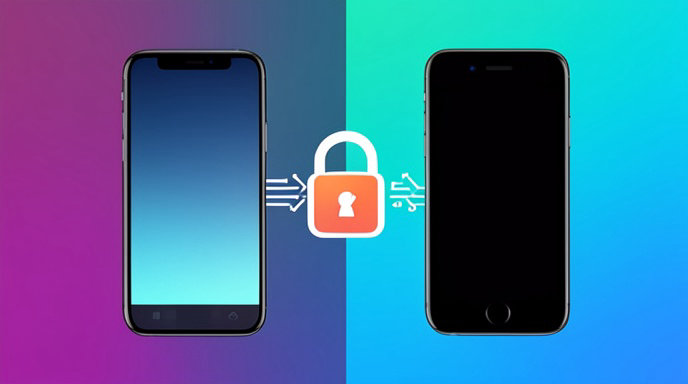
- The implementation uses the Messaging Layer Security protocol and will display a lock icon in both Apple Messages and Google Messages apps, signaling encrypted conversations across platforms.
THE BREAKTHROUGH: CLOSING THE CROSS-PLATFORM SECURITY GAP
For years, messaging between iPhone and Android users has represented a significant security vulnerability. While Apple provides end-to-end encryption for communications between its own devices, texts sent to Android phones could theoretically be intercepted by carriers, governments, or malicious actors. This glaring disparity has finally been addressed with iOS 26.5's introduction of encrypted RCS messaging.
The development marks a watershed moment in mobile communication security, delivering on promises made when Apple first integrated RCS support into iOS 18. What began as a testing phase in February with iOS 26.4 is now moving toward full deployment, fundamentally reshaping how millions of users communicate across the Apple-Android divide.
WHAT IS RCS AND WHY DOES IT MATTER?
Rich Communication Services (RCS) has long been positioned as the successor to SMS, offering richer messaging capabilities than traditional text messages. However, its adoption has been fragmented and inconsistent across carriers and manufacturers. Apple's integration of RCS support was already a significant step toward universal messaging standards, but without encryption, it remained vulnerable.
The GSM Association, which operates the RCS protocol, introduced support for end-to-end encryption between operating systems last year through RCS Universal Profile 3.0. This framework, built on the Messaging Layer Security protocol, doesn't just add encryption—it also enables features like message editing and deletion, bringing RCS closer to modern messaging app functionality.
HOW THE ENCRYPTION WORKS IN PRACTICE
When iOS 26.5 rolls out, iPhone users will automatically have end-to-end encryption enabled for RCS conversations with Android devices using supported carriers. The feature requires no manual activation, though users can verify its status in Settings under the RCS Messaging menu within the Messages section.
The visual indicator of encrypted communication is straightforward: a lock icon appears in the Messages app when chatting with an Android device that supports the encryption. On the Android side, Google Messages displays the same lock icon when users are engaged in encrypted RCS conversations with iPhones, creating a unified experience across both ecosystems.
This consistency in user interface design is crucial. It ensures that both iPhone and Android users receive the same visual confirmation that their conversation is protected, eliminating confusion and building confidence in the security layer.
THE LONG ROAD TO CROSS-PLATFORM ENCRYPTION
Google has been advocating for Apple to adopt RCS for years, viewing it as essential infrastructure for modern messaging. Apple's initial resistance stemmed from its preference for iMessage, which already offered robust encryption between Apple devices. However, pragmatic considerations ultimately prevailed: the reality is that billions of people use both iPhone and Android, and security shouldn't depend on device compatibility.
Apple's official statement on the feature reads: "End-to-end encrypted RCS messaging (beta) in Messages is available with supported carriers and will roll out over time." The beta designation indicates that while the technology is ready, rollout will be gradual, likely dependent on carrier infrastructure readiness and compatibility testing.
The company began testing this technology in February, deliberately choosing not to officially launch it with iOS 26.4 to allow for additional refinement and carrier preparation. This cautious approach reflects the complexity of implementing security features across multiple carriers and network infrastructures.
PRIVACY IMPLICATIONS AND USER BENEFITS
The introduction of encrypted RCS messaging addresses what some have called the "dumbest" part of texting Android users—the fact that iPhone owners couldn't guarantee the same security protections they enjoy with other iMessage users. This gap has always been problematic from a privacy standpoint, especially for users who frequently communicate across platforms.
With end-to-end encryption in place, only the sender and recipient can access message content. Carriers, network operators, and potential bad actors can no longer intercept these communications. For journalists, activists, business professionals, and anyone concerned about privacy, this represents a meaningful improvement in their security posture.
The implications extend beyond individual privacy. This development signals a shift in industry standards, suggesting that cross-platform encryption may become an expectation rather than an exception. As more services implement similar protections, the baseline for digital security continues to rise.
THE TECHNICAL FOUNDATION: MESSAGING LAYER SECURITY
The encryption powering this feature isn't hastily assembled security theater—it's built on the Messaging Layer Security (MLS) protocol, a robust framework designed specifically for encrypted group and one-to-one messaging. MLS has been developed through extensive collaboration among cryptography experts and major technology companies, ensuring it meets contemporary security standards.
RCS Universal Profile 3.0, which incorporates this encryption, represents years of standardization work by the GSM Association. The protocol includes provisions for forward secrecy, meaning that even if encryption keys are compromised in the future, past messages remain protected. This level of sophistication distinguishes it from basic encryption implementations.
CARRIER SUPPORT AND ROLLOUT TIMELINE
A critical factor in the deployment of encrypted RCS is carrier support. Not all carriers have implemented the necessary infrastructure to support end-to-end encrypted RCS messaging. Apple's phased rollout approach acknowledges this reality, ensuring that the feature deploys smoothly as carriers upgrade their systems.
Users running iOS 26.5 may not immediately see encrypted RCS available, depending on their carrier. However, as the infrastructure catches up, the feature will become accessible over time. This gradual approach, while potentially frustrating for eager users, reduces the risk of widespread technical issues.
WHAT THIS MEANS FOR THE FUTURE
The arrival of encrypted RCS messaging represents a convergence point in the mobile industry. It demonstrates that even companies with competing interests—Apple and Google—can collaborate on fundamental infrastructure when user security is at stake. This precedent may encourage similar cooperation on other cross-platform security standards.
For users, the practical impact is straightforward: texting someone with an Android phone will soon offer the same security guarantees as texting another iPhone user. The lock icon in the Messages app will become a familiar sight, a visual assurance that private conversations remain private.
As iOS 26.5 rolls out and carrier support expands, this feature will likely become a baseline expectation. Future messaging security discussions may focus not on whether encryption exists, but on which encryption standards provide the strongest protections and which platforms implement them most transparently.
The game has indeed changed for Android and iPhone users. Security is no longer compromised at the platform boundary.

Get All The Latest Updates Delivered Straight To Your Inbox For Free!