
San Francisco’s Housing Market: The Tech Fortune Frenzy Unveiled
TL;DR
- San Francisco's median home price surged to a record $2.15 million in March 2026, driven by an AI investment boom and tech hiring surge that has reshaped the city's real estate landscape.
- Limited inventory and fierce competition have created a seller's market where homes sell 23% above asking price in just 20 days, with condo prices jumping 27% year-over-year to $1.36 million.
- The wealth concentration among tech executives is fueling luxury real estate demand while intensifying affordability concerns, prompting calls for a 5% billionaire tax and driving some tech leaders to relocate to Florida and other states.
THE AI WEALTH EFFECT: HOW TECH FORTUNES ARE RESHAPING SAN FRANCISCO REAL ESTATE
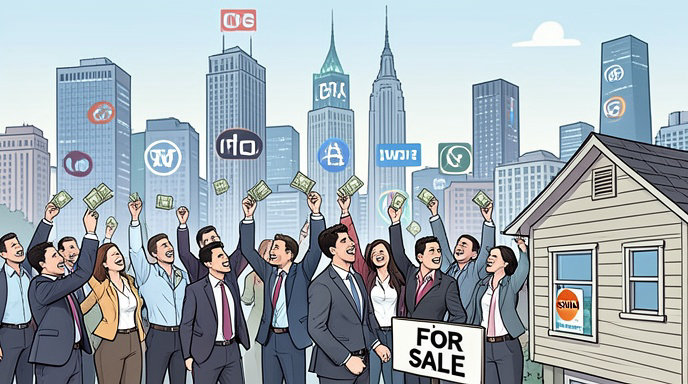
San Francisco's housing market has entered a new era of explosive growth, with artificial intelligence emerging as the primary catalyst for one of the most dramatic price surges in the city's recent history. The median home price reached $2.15 million in March 2026, shattering previous records and marking an 18% year-over-year increase. This remarkable resurgence comes after years of post-pandemic struggles, as AI investment, startup hiring, and the concentration of tech wealth have fundamentally transformed how people buy, sell, and live in the Bay Area's most iconic city.
The numbers tell a compelling story of market transformation. Real estate brokerage Compass reported that San Francisco has emerged from what analysts had called a "doom loop," with major tech companies like OpenAI, Anthropic, Salesforce, and Uber driving unprecedented demand for office space and residential properties. The median condo price jumped 27% annually to $1.36 million, signaling that even smaller residential units are now commanding luxury-level prices as high-earning tech workers compete for proximity to their employers.
WHEN SUPPLY MEETS UNSTOPPABLE DEMAND
The collision between surging demand and shrinking inventory has created one of the most competitive real estate environments in recent memory. Home listings plummeted 28% compared with a year earlier, forcing buyers into a frenzy of bidding wars and premium offers. The typical San Francisco home sold for 23% above asking price, with properties moving off the market in just 20 days. This represents the largest March premium since 2022, starkly contrasting with the national trend where the typical U.S. home sold for 1.3% below asking price.
The condo market has experienced particularly intense pressure. Condo prices posted a 24.4% year-over-year increase in March, marking the largest jump since 2013. According to Redfin data, the median home sale price in the San Francisco metropolitan area reached $1.7 million, reclaiming the city's title as the most expensive major metro to buy a home in the nation. This tightening of inventory has intensified competition among buyers, as Compass Chief Market Analyst Patrick Carlisle noted: "The disconnect between demand and supply continues to pressurize the market as buyers compete for scarce listings."
THE RETURN-TO-OFFICE PHENOMENON
One of the most significant drivers of housing demand has been the return-to-office requirements imposed by major tech firms. Companies like OpenAI, Anthropic, Salesforce, and Uber are mandating partial in-office attendance and leasing expanded office space throughout San Francisco. This shift has fundamentally changed the calculation for remote workers who had fled the city during the pandemic, creating renewed urgency to secure housing near employment centers.
The return-to-office trend has particularly benefited neighborhoods close to tech company headquarters and major business districts. Workers seeking to minimize commute times and maintain proximity to colleagues are willing to pay premium prices for residential properties. Even as some tech firms continue layoffs, the demand for AI expertise remains so acute that companies are actively recruiting and expanding their workforces, perpetuating the housing demand cycle.
TECH FORTUNES AND THE WEALTH CONCENTRATION PROBLEM
Behind the headline numbers lies a more complex story about wealth accumulation and concentration in San Francisco's tech sector. Employees of major AI companies and established tech giants have seen their compensation packages, stock options, and equity stakes appreciate dramatically. AI startup founders and early employees are experiencing what can only be described as a fortune-creation phenomenon, with some individuals accumulating multi-million dollar net worths in remarkably short timeframes.
This wealth concentration has had profound effects on the housing market. High-income tech workers are not just buying homes; they are reshaping entire neighborhoods through their purchasing power. The luxury real estate market has surged particularly dramatically, with 22 homes selling for more than $5 million and 24 condos for more than $3 million in March alone, exceeding 2021 peaks across California. These sales reflect the astronomical wealth being generated in the AI sector and distributed among tech executives, founders, and highly compensated employees.
BILLIONAIRE REAL ESTATE RESHUFFLING
The wealth effect extends beyond San Francisco itself, as some of the world's richest tech leaders are strategically relocating their residential investments. Google co-founder Larry Page and Meta CEO Mark Zuckerberg have been acquiring luxury properties in Florida and other states, signaling a geographic diversification of tech wealth. This trend reflects not only California's high tax environment but also concerns about the state's regulatory landscape and cost of living.
Perhaps most symbolically, Oracle co-founder and Chief Technology Officer Larry Ellison quietly sold his San Francisco home in Pacific Heights for approximately $45 million in December 2025, setting a new record for individual residential sales in the city. Such high-profile exits by tech titans have sparked conversations about the sustainability of San Francisco's position as the undisputed center of tech wealth and innovation.
THE AFFORDABILITY CRISIS DEEPENS
While tech workers and executives celebrate wealth creation, San Francisco faces an intensifying affordability crisis. The dramatic price increases have priced out middle-class residents, essential workers, and anyone not benefiting directly from the tech boom. Teachers, nurses, service workers, and other vital community members increasingly find homeownership impossible in the city where they work.
This affordability gap has become a political flashpoint. Labor unions and progressive advocates have begun pushing for a one-time 5% tax on California's billionaires to fund healthcare, housing, and other essential services. The proposal reflects growing frustration with wealth inequality and the concentration of resources among a small tech elite while broader segments of the population struggle with housing costs.
THE DATA CENTER EXODUS AND COMPETING PRESSURES
Interestingly, even as residential real estate booms, the state's AI infrastructure development faces friction. Approximately $14 billion in data center projects have reportedly shifted to Texas amid local backlash over energy consumption, environmental concerns, and regulatory hurdles. This geographic competition for AI infrastructure investment could have long-term implications for San Francisco's role as the primary hub for AI development and the associated job creation that has fueled the housing boom.
MARKET RESILIENCE AMID ECONOMIC UNCERTAINTY
Despite broader economic volatility stemming from international tensions, including the Iran war, and rising interest rates, San Francisco's housing market remains what Compass analysts describe as "extremely heated." This resilience reflects the unique strength of AI-driven demand and the wealth concentration among tech sector participants. National housing markets have remained sluggish, with high costs and economic uncertainty giving most buyers and sellers pause. San Francisco stands as a notable exception, powered by specialized industry dynamics that insulate it from broader market pressures.
THE FUTURE TRAJECTORY
As San Francisco's housing market continues its dramatic ascent, fundamental questions loom about sustainability and equity. Can prices continue climbing indefinitely, or will affordability concerns and regulatory pressures eventually cool demand? Will the concentration of AI wealth in San Francisco persist, or will the geographic dispersal of tech headquarters and remote work opportunities redistribute prosperity across other regions?
What remains clear is that San Francisco's housing market has become inextricably linked to the fortunes of the tech sector. The median home price of $2.15 million represents not just real estate value, but the tangible manifestation of the wealth being generated by artificial intelligence investment and innovation. Whether this boom represents a new sustainable era for the city or a bubble destined for correction remains one of the most consequential questions for San Francisco's future.

Get All The Latest Updates Delivered Straight To Your Inbox For Free!