
Toronto Police Crack Down on SMS Blaster Crew Behind Malicious Texts
TL;DR
- Toronto Police arrested three men and laid 44 charges in Canada's first known SMS blaster operation, which targeted tens of thousands of devices with phishing texts since November 2025.
- The mobile device, operated from a vehicle, mimicked cell towers to force phone connections, send scam messages, and disrupt networks including 911 services.
- Victims can protect themselves by disabling 2G connectivity or enabling features like Apple's Lockdown Mode amid rising urban cybersecurity threats.
The Bust: Canada's First SMS Blaster Takedown
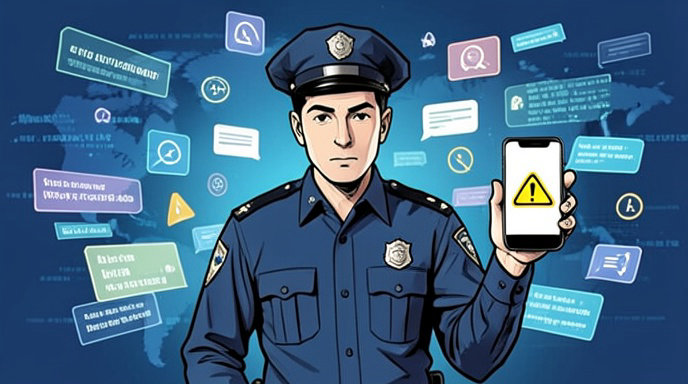
In a landmark operation dubbed Project Lighthouse, Toronto Police have dismantled what they describe as the country's inaugural SMS blaster scheme. Three men now face a staggering 44 charges after allegedly unleashing a wave of malicious text messages across the Greater Toronto Area. The arrests, announced this week, cap an investigation that began in November 2025 when a cybersecurity partner tipped off authorities to suspicious activity in downtown Toronto.
The culprits—Weitong Hu, 21, from Markham, who turned himself in on April 21, along with two others nabbed in Hamilton and Markham—operated a custom-built device from the back of a vehicle. This "roaming attack platform" allowed them to prowl residential blocks, commercial districts, transit hubs, and event zones, evading detection while hitting thousands of phones at a time.
How SMS Blasters Work: A Tech Deep Dive
SMS blasters, also known as rogue cell towers or IMSI catchers on steroids, exploit a vulnerability in older 2G cellular networks. Here's the playbook:
- **Signal Hijacking**: The device broadcasts a stronger signal than legitimate towers, tricking nearby smartphones and tablets into connecting to it instead.
- **Forced Downgrade**: It often pushes handsets to 2G mode, where security is weakest, bypassing modern carrier filters.
- **Mass Messaging**: Once latched on, the blaster floods devices with spoofed texts appearing from trusted sources like banks, Canada Post, 407 ETR toll roads, or parking authorities. Links lead to phishing sites harvesting usernames, passwords, banking credentials, and payment data.
Police recorded over 13 million network disruptions from the device, which not only stole data but jammed cellular service—including critical 911 calls—in affected areas. A similar UK-seized blaster was displayed at a press conference to illustrate its sophistication.
Scale of the Attack: Tens of Thousands Targeted
Over several months, the mobile blaster connected to tens of thousands of devices, making it a stealthy urban predator. Unlike stationary setups, its vehicle-mounted design enabled hit-and-run tactics across Toronto's dense landscape. Detective Sergeant Lindsay Riddell highlighted the scheme's novelty: "This is the first known instance of an SMS blaster operating in Canada."
Charges against the trio include conspiracy to commit indictable offenses, intercepting private communications, trafficking identity information, possessing identity documents, unauthorized credit card data possession, and personation for gain. The "uniquely built" hardware's seizure marks a win for law enforcement, echoing a 2024 Thailand bust where a truck-based gang blasted nearly a million texts in three days.
Broader Implications: Cybersecurity and Public Safety in Cities
This incident underscores escalating threats in urban environments, where high device density amplifies rogue tower impacts. SMS blasters don't just phish—they create "dead zones" for emergency services, turning city streets into no-comms nightmares. As 5G rolls out, lingering 2G/3G fallback support keeps these exploits viable.
Experts warn of copycats: mobile blasters are hard to track, and open-source hardware kits are circulating online. Riddell urged vigilance against unsolicited texts, especially those with urgent links mimicking official entities—a tactic dubbed "smishing."
Protecting Yourself: Practical Defenses
Users aren't defenseless. Simple tweaks can thwart blasters:
| Device Type | Protection Steps |
|---|---|
| **Android** | Disable 2G in settings (search "Preferred network type" and select 3G/4G/5G only). |
| **iPhone** | Enable Lockdown Mode (Settings > Privacy & Security > Lockdown Mode) to shut off 2G radios. |
| **All** | Avoid clicking links in unexpected texts; verify via official apps or calls. Use carrier tools to block spam. |
Toronto Police's success signals a new frontline in cybercrime: hunting mobile threats in real-time. As cities digitize, expect more "Project Lighthouse" ops to safeguard the streets. Stay alert—your next text might not be from your bank.

Get All The Latest Updates Delivered Straight To Your Inbox For Free!