
AI Data Centers Get Fast-Tracked Access to Power Grid Amid Supply Concerns
TL;DR
- FERC has ordered major grid operators to fast-track interconnection requests for AI data centers and other large electricity users, with commissioners approving the move unanimously.
- The new approach is designed to speed up access to the grid while making data centers pay the full cost of needed upgrades, reducing the burden on other ratepayers.
- The policy comes amid growing concern that rapid data-center growth could intensify electricity supply shortages and strain regional grid reliability if new power is not added quickly enough.
FERC Opens a Faster Path to the Grid
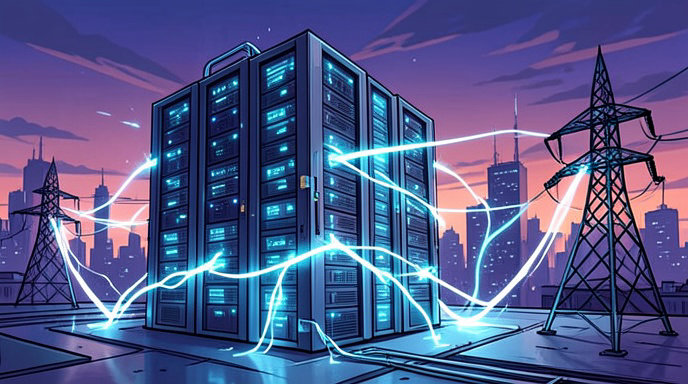
Federal regulators have moved to accelerate how AI data centers connect to the U.S. power grid, signaling a major shift in how the country handles booming electricity demand from the tech industry. The Federal Energy Regulatory Commission told six major grid operators to show how data centers can connect to the transmission system in a “timely and orderly manner,” and commissioners approved the orders unanimously.
The decision is part of a broader effort to keep pace with a surge in power-hungry computing infrastructure, especially as AI model training and inference drive demand for new facilities. FERC also directed grid operators to submit reports on available generating capacity and to defend or revise regional electricity rates within 60 days.
What the New Rules Change
The new framework is intended to reduce long delays that have become a major obstacle for large-load customers seeking access to the grid. In addition to faster processing, FERC ordered grid operators to be more accommodating to behind-the-meter power arrangements for data centers, which can include direct connections to generation assets rather than relying only on standard grid hookups.
A key feature of the policy is cost responsibility: data centers will be required to pay the costs of their interconnection and any necessary network upgrades. That requirement is meant to limit cross-subsidies and protect other utility customers from paying for infrastructure built primarily to serve AI facilities.
Why Tech Companies Want This
For AI developers, faster interconnection can mean the difference between opening a new campus in months versus waiting years. The rule change gives hyperscalers and infrastructure builders more certainty at a time when data-center expansion is being slowed by congested transmission queues and limited local supply.
The policy also builds on earlier FERC actions that created new pathways for co-located data centers and power plants, especially in PJM Interconnection, the country’s largest grid operator. Those arrangements can let facilities tap generation more directly and reduce dependence on already-stretched regional transmission systems.
Supply Shortages Remain the Big Risk
The upside of faster approvals is that AI infrastructure may get built more quickly, but the broader energy picture remains fragile. AP reported that the federal move was made in response to growing demand from power-intensive AI data centers, but that demand is colliding with an outdated transmission network and ongoing supply constraints.
E&E News noted that FERC’s decision also tries to reduce the amount of data-center capacity that would depend on the regional grid during periods of stress and power shortages. That concern is central: if data centers come online faster than generation and transmission can expand, the same policy meant to support AI growth could intensify local reliability problems.
The Regulatory Push Behind the Decision
The June action follows a late-2025 push from the Department of Energy, which urged FERC to accelerate interconnection rules for large loads and explore joint requests for load and generation at colocated sites. Reuters reported that the proposal was designed to cut time and cost for grid upgrades while accelerating new power sources.
FERC had already signaled in April that it intended to act on the large-load docket by the end of June 2026. The latest order shows the commission moving from planning to implementation, with an emphasis on speed, flexibility, and cost discipline.
What Happens Next
Grid operators now face deadlines to explain how much generating capacity they can spare and how they will adjust rate structures. In practical terms, the next phase will determine whether the new rules materially shorten timelines for AI campuses or simply shift the bottleneck from interconnection studies to available power supply.
The biggest open question is whether utilities, grid operators, and data-center builders can align fast-track approvals with enough new generation and transmission investment to maintain reliability. If they cannot, the pressure from AI demand could deepen the electricity supply shortages that regulators are trying to manage rather than worsen.

Get All The Latest Updates Delivered Straight To Your Inbox For Free!