
Apple's App Store Introduces Smart Personalized App Recommendations
TL;DR
- Apple has introduced Personalized Collections in the App Store, using users’ app downloads and behavior to surface tailored recommendations.
- The feature also adds App Notes, which explain why an app was suggested, and it will appear in the Apps, Games, and Search tabs.
- Apple says the rollout starts in English in the U.S. and will expand to more regions and languages over time.
Apple’s App Store is getting a major discovery upgrade, with Apple rolling out personalized app recommendations designed to match each user’s interests and behavior. The new system aims to make finding apps easier for users while giving developers another path to visibility in a crowded marketplace.
A more personalized App Store
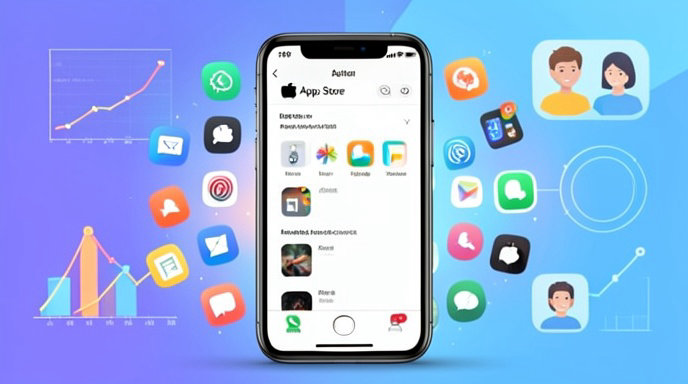
At WWDC, Apple introduced Personalized Collections, a new App Store feature that highlights apps based on a user’s downloads, usage patterns, and broader activity in the store. Instead of relying only on top charts or editor-curated lists, Apple is now leaning more heavily on algorithmic discovery that changes over time as a person’s app habits evolve.
The recommendations will appear in multiple areas of the App Store, including the Apps tab, the Games tab, and the Search tab. That means Apple is weaving personalization directly into the core browsing experience rather than limiting it to a separate recommendation section.
Why Apple is making the change
Apple’s move addresses one of the App Store’s biggest problems: discovery. With millions of apps competing for attention, even well-made apps can struggle to reach the right audience. Personalized recommendations are meant to reduce that friction by showing users apps they are more likely to want, while also helping developers convert more browsers into downloads.
For developers, the shift could be meaningful because it opens another route to engagement beyond advertising, rankings, or editorial placement. Apple says the new tools are part of a broader effort to help developers promote their apps and encourage users to return to them more often.
What is new: App Notes
One of the more notable additions is App Notes, short explanations that tell users why a particular app was recommended. That extra context may help make recommendations feel less opaque and more trustworthy, especially for users who want to understand how Apple is deciding what to surface.
This transparency layer matters because recommendation systems often work best when users can see why suggestions are being made. Apple appears to be balancing personalization with explanation, not just prediction.
How the rollout works
Apple says the feature begins in English in the U.S. and will expand to additional regions and languages later. The recommendations will also continue to evolve as Apple learns more from user downloads and app usage over time.
Because the feature is being introduced as part of Apple’s App Store experience, users should begin seeing these suggestions in the relevant tabs without needing to hunt for a separate setting or app update. The rollout approach suggests Apple wants personalization to feel native to the App Store, not bolted on.
What it means for users
For everyday users, the biggest benefit is convenience. Instead of manually digging through categories, top charts, or editorial picks, the App Store can now act a bit more like a personalized storefront, surfacing apps that better match individual interests.
That could be especially useful for users who regularly download niche apps, productivity tools, games, or utilities, since their behavior will help shape future recommendations. Over time, the App Store may become less about broad popularity and more about individual relevance.
What it means for developers
For app makers, personalized recommendations could improve discovery for apps that might otherwise get buried beneath the biggest names in the store. If Apple’s system proves effective, smaller developers may benefit from more targeted visibility when their app matches the profile of a likely user.
At the same time, the change may raise the stakes for metadata, retention, and user engagement, since the recommendation engine is tied to behavior and usage patterns. In practical terms, that means developers may need to think even more carefully about how well their apps keep users coming back.
The bigger picture
Apple has been steadily pushing the App Store toward a more personalized discovery model, and this latest rollout continues that trend. The direction is clear: the store is moving away from one-size-fits-all browsing and toward a system shaped by user behavior and contextual recommendations.
That shift could reshape how people find apps on iPhone and iPad, especially as Apple expands the feature to more languages and countries. If the system works as intended, the App Store may become both easier to navigate for users and more rewarding for developers seeking attention in a competitive market.

Get All The Latest Updates Delivered Straight To Your Inbox For Free!