
Corgi vs. Papermark: The Controversy Over Open Source Software Theft
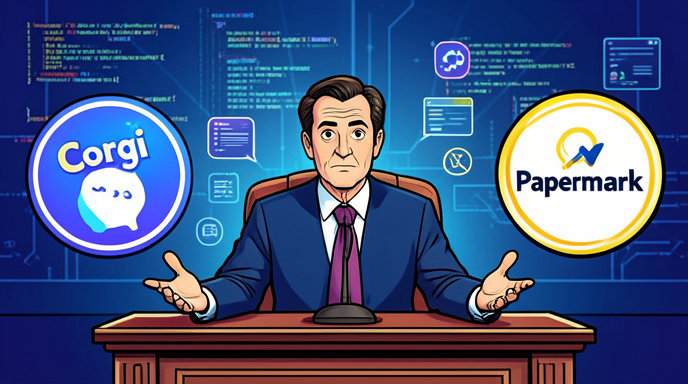
TL;DR
- Papermark, an open-source data-room project, has publicly accused Y Combinator-backed startup Corgi of copying its AGPL-licensed code for Corgi's new "Dataroom" product, a claim Corgi firmly denies.
- Corgi executives insisted their product was built "from scratch" and that the similarities were merely "vibe-coded" visual elements, though open-source developers and Hacker News users argue the evidence of code theft is incriminating.
- As of June 25, 2026, no lawsuit has been filed, and the legal battle remains unresolved, leaving Papermark with options ranging from formal takedown demands to AGPL enforcement litigation.
Corgi vs. Papermark: The Controversy Over Open Source Software Theft
The tech world is once again grappling with the fragility of open-source integrity following a heated dispute between Papermark and Corgi. On June 24, 2026, the insurance technology startup Corgi, backed by the prestigious Y Combinator, launched a document-sharing product called "Dataroom." Within a single day, the founder of Papermark—a prominent open-source alternative to services like DocSend—publicly accused Corgi of plagiarizing Papermark's code.
Papermark's software is licensed under the AGPL (Affiliate General Public License), a strict open-source license that mandates any derivative work, including proprietary services, must also be open-sourced. The accusation suggests that Corgi not only copied the user interface and user experience but also the underlying source code and text from Papermark's platform, effectively passing off an open-source product as their own proprietary innovation.
Corgi's Defense: "Built from Scratch" and "Vibe Coding"
Corgi has vehemently denied the allegations. In interviews with TechCrunch and responses on Hacker News, Corgi co-founders Nico Laqua and his team stated that "no code was used from Papermark." They claimed that Dataroom was "made from scratch with inspiration from existing document sharing softwares."
A key part of Corgi's defense revolves around the concept of "vibe coding." A Corgi spokesperson characterized the similarities between the two platforms as isolated visual elements on peripheral settings pages that were "vibe-coded" rather than code-copied. They further noted that these elements were "immediately updated" to address the concerns, attempting to downplay the situation as a minor aesthetic overlap rather than a fundamental theft of intellectual property.
However, this defense has drawn skepticism from the open-source community. Hacker News users and independent developers have pointed out that "vibe coding" is a vague term that does not explain the structural similarities in the codebase, which they argue are too incriminating to be coincidental.
The Community Reaction: "Vibe Coding" vs. Code Theft
The debate quickly escalated beyond the two companies, igniting a firestorm on social media and technical forums. Marc Seitz, a co-founder of Papermark, posted publicly on X (formerly Twitter) rejecting Corgi's "vibe-coded" narrative. Seitz stated that Corgi had not merely "vibe coded" its data room but had explicitly taken code from Papermark's open-source and enterprise-licensed repositories.
The Hacker News community has been particularly vocal, with threads questioning whether "no source code was copied" remains a sufficient legal defense when the evidence suggests a direct copy of the AGPL-licensed code. Users have shared screenshots and code comparisons that appear to show identical text, user flows, and code structures, challenging Corgi's claim of a clean, scratch-built origin.
Reddit discussions in the SaaS community have also highlighted the severity of the issue, with many users noting that the evidence shared by Papermark is "quite incriminating." The consensus among many open-source advocates is that if Corgi indeed used AGPL code without complying with the license terms, the implications for the industry are dire.
The Legal Standoff: What Happens Next?
As of June 25, 2026, the legal situation remains in a precarious limbo. No lawsuit has been filed, and no formal legal response has been issued by Corgi. Corgi has not yet released a separate formal statement addressing the specific AGPL compliance issues, and no court filings have appeared in public records.
Papermark, however, has several strategic options to enforce its rights. The company could issue a formal takedown demand, insist that Corgi complies with the AGPL by releasing their derivative code, or pursue litigation to enforce the license through both copyright and contract law. The outcome of this dispute will likely serve as a critical test case for how strictly AGPL licenses are enforced against proprietary startups that claim to have built products "from scratch."
Implications for the Tech Industry and "Vibe Coding"
This conflict highlights a growing tension in the modern software industry: the rise of "vibe coding" as a buzzword for rapid, AI-assisted development versus the rigorous legal requirements of open-source licensing. While Corgi attempts to frame the similarities as a stylistic coincidence, the open-source community views it as a potential breach of the fundamental trust that underpins the open-source ecosystem.
If Corgi is found to have used AGPL code without compliance, the implications could be severe for the Y Combinator-backed startup and the broader venture capital scene. It would signal that the "vibe coding" narrative cannot shield companies from the legal obligations of open-source licenses. Conversely, if Corgi can prove their code is distinct, it may set a precedent for how "inspiration" is legally distinguished from "copying" in the age of rapid software iteration.
The tech industry is now watching closely to see whether Papermark will take legal action and whether the courts will uphold the AGPL's strict requirements in the face of a startup's "built from scratch" defense. The outcome will define the future of open-source integrity and the limits of proprietary innovation in 2026.

Get All The Latest Updates Delivered Straight To Your Inbox For Free!