
Cyberdecks: The Rise of DIY Tech Rejecting Big Tech Surveillance
TL;DR
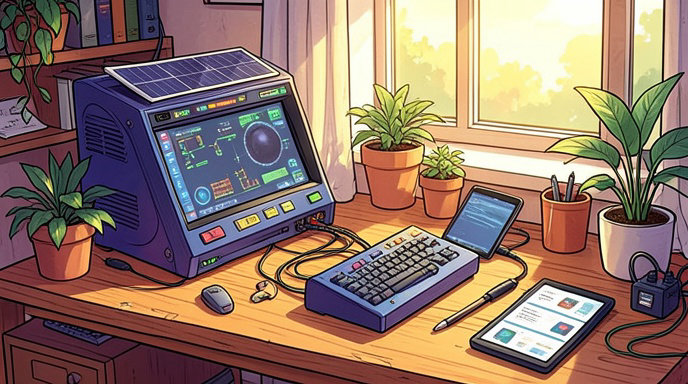
- Cyberdecks are homemade, portable computers built by DIY makers using parts like Raspberry Pi boards, tiny screens, and repurposed materials.
- The trend is growing as a form of pushback against big tech, AI uniformity, and surveillance, with creators emphasizing privacy, customization, and hands-on learning.
- Recent projects range from thrifted clamshell “purse computers” to privacy-focused builds and compact, highly personalized machines shared widely on TikTok and other social platforms.
Cyberdecks Are Going Mainstream
Cyberdecks, once a niche maker project inspired by cyberpunk fiction, are now breaking into the mainstream as a visible DIY tech movement. The concept traces back to William Gibson’s Neuromancer, and hobbyists began building their own versions in earnest after small, credit-card-sized computers such as the Raspberry Pi became widely available.
What has changed recently is the audience. TechCrunch reports that cyberdeck communities have surged in popularity over the last few months, driven in part by women on social media sharing artistic, hyper-feminine builds and documenting the process for others to copy and adapt.
What Makes a Cyberdeck
A cyberdeck is typically a custom-built portable computer assembled from off-the-shelf components and repurposed parts. Common ingredients include Raspberry Pi boards, miniature keyboards, small displays, batteries, and hand-built cases.
The appeal is not just the finished machine. Makers describe cyberdecks as a way to understand how hardware works, experiment with form factor, and create something that feels personal rather than mass-produced.
A Quiet Rebellion Against Big Tech
A major reason cyberdecks are resonating now is the cultural message behind them. Creators describe the builds as a rejection of the increasingly standardized look and feel of modern consumer electronics, as well as a response to AI-generated sameness and the expansion of surveillance-oriented tech platforms.
Several outlets characterize the trend as a kind of anti-AI or anti-big-tech statement, with makers valuing local control, custom software, and hardware they can physically inspect and modify.
Privacy, Local Control, and DIY Ethics
Privacy is a central theme in the newer wave of cyberdeck coverage. One report describes women building hyper-feminine pink cyberdecks that pair local AI and local data storage to improve privacy.
That emphasis matters because it turns the cyberdeck from a novelty into a practical design philosophy: keep data on-device, reduce dependence on cloud services, and make the machine understandable end to end.
Viral Builds: Purse Computers, E-Readers, and More
The current wave of interest is being fueled by unusual builds that are easy to share online. Supercar Blondie highlighted people building fully functional computers inside purses, using mini keyboards and screens to create compact “purse computers” that blur the line between fashion accessory and machine.
Other cyberdeck projects gaining attention include solar-powered game emulators, compact e-readers, and thrifted DIY builds assembled from e-waste and old hardware. These projects show that cyberdecks are less about one standard design and more about a flexible, creative approach to personal computing.
Why the Trend Is Spreading Now
Part of the appeal is aesthetic, but the trend also reflects broader frustration with tech platforms that feel less personal and more extractive. Cyberdecks offer a visible alternative: a device built by hand, sized to the creator’s needs, and often styled to reflect identity rather than corporate branding.
TikTok and other social platforms have helped accelerate the trend by turning the building process itself into content. That has made cyberdecks both a hardware hobby and a social movement centered on creativity, experimentation, and control over one’s tools.
The Bigger Meaning Behind the Hardware
Cyberdecks are not just miniature computers. They are becoming symbols of a broader DIY ethic that values repair, reuse, and self-sufficiency over sealed consumer ecosystems.
In that sense, the rise of cyberdecks says as much about the state of tech culture as it does about hardware design. For many creators, the point is not to escape technology, but to make it more legible, more personal, and less governed by the defaults of big tech.

Get All The Latest Updates Delivered Straight To Your Inbox For Free!