
Florida Takes Legal Action Against OpenAI Over ChatGPT's Alleged Role in Campus Violence
TL;DR
- Florida has filed the first state-level lawsuit against OpenAI and CEO Sam Altman, accusing the company of prioritizing profit over user safety and misleading the public about ChatGPT’s risks.
- The complaint says ChatGPT may have played a role in violent incidents, including a Florida State University shooting, and argues OpenAI should be held liable for harms tied to its product design and marketing.
- The case raises a broader legal question: whether AI makers can be held responsible when generative tools are allegedly used to facilitate self-harm, violence, or other dangerous behavior.
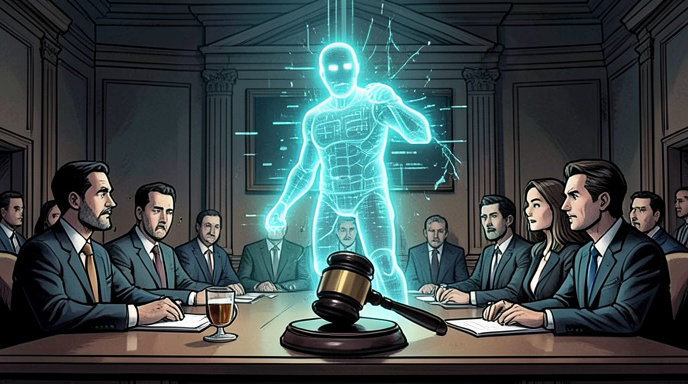
Florida’s lawsuit against OpenAI and Sam Altman marks a major escalation in the legal scrutiny of generative AI. Filed in state court and described by officials as the first state-led action of its kind, the case argues that OpenAI exposed users to serious risk while portraying ChatGPT as safe and dependable.
What Florida Is Alleging
According to the complaint, OpenAI and Altman knew or should have known about the risks of ChatGPT but still promoted it aggressively, including to younger users. Florida’s attorney general says the company ignored warning signs, failed to protect vulnerable users, and allowed a product to reach millions without adequate safeguards.
The lawsuit makes sweeping claims about harm tied to the chatbot, including alleged encouragement of suicide, addiction among minors, and assistance to mass shooters. It also accuses OpenAI of deceptive and unfair business practices, negligence, product liability violations, fraudulent misrepresentation, and public nuisance.
Why Florida State University Is Central to the Case
The FSU shooting is a key part of Florida’s argument. State officials say investigators are examining whether ChatGPT was used by the suspected gunman before the attack, and multiple reports say the chatbot may have been consulted during planning.
The lawsuit is not a criminal case, but it builds on a criminal investigation Florida opened earlier this year into OpenAI’s possible role in the shooting. That distinction matters: the civil suit seeks penalties and a court order, while the investigation is aimed at determining whether criminal wrongdoing occurred.
The Push to Hold Sam Altman Personally Liable
One of the most notable features of the case is Florida’s effort to hold Altman personally responsible. The complaint argues that his conduct as CEO showed a “complete disregard” for human life and that he should answer for the consequences of OpenAI’s decisions.
That move could make the case especially significant for tech law. Corporate liability is common in product cases, but attempts to attach personal liability to a chief executive over AI harms are far less established.
What Makes This Lawsuit Different
This is the first known state-level lawsuit against OpenAI over ChatGPT’s alleged harms. It arrives amid rising political and legal pressure on AI companies, especially over child safety, misinformation, and the potential for chatbot systems to be used in dangerous situations.
Florida’s filing also fits a broader trend of product-liability style lawsuits against large tech firms, but it goes further by tying generative AI directly to violent acts and self-harm allegations. That makes it a test case for how courts may treat AI systems that generate persuasive, humanlike responses without traditional editorial control.
The Bigger Legal Question
At the center of the case is a difficult legal issue: when does an AI company become responsible for what a user does with its tool? Florida’s complaint argues that OpenAI’s design choices, warnings, and marketing created foreseeable danger.
If the suit survives early challenges, it could influence how courts think about AI safety obligations, parental controls, product warnings, and liability for downstream misuse. It may also shape how regulators and lawmakers define acceptable safeguards for chatbots used by minors and vulnerable users.
Why the Case Matters for the AI Industry
For AI developers, the lawsuit is a warning that safety claims are now a litigation risk, not just a public relations issue. Florida’s theory suggests that companies could face exposure not only for what their systems generate, but also for how they market those systems and what precautions they fail to build in.
The case could also accelerate pressure for stronger age protections, better crisis-response guardrails, and clearer disclosures about chatbot limitations. Even if OpenAI ultimately prevails, the lawsuit signals that state attorneys general may be willing to test aggressive theories of liability against AI firms.
What Happens Next
The next phase will likely focus on the sufficiency of Florida’s allegations, whether the claims can link ChatGPT to specific harms, and whether the state can support its request to hold Altman personally liable.
OpenAI has not, in the reported coverage, conceded any wrongdoing, and the company is expected to fight the claims vigorously as the case moves through court.

Get All The Latest Updates Delivered Straight To Your Inbox For Free!