
GM's Bold Leap into the Electric Future: A Game-Changing Battery Facility
TL;DR
- GM is moving to lower EV battery costs with new chemistry that could reduce pack prices and improve range, especially for large trucks and SUVs.
- The company’s most important near-term manufacturing step is the Spring Hill, Tennessee battery facility upgrade, which is expected to support lower-cost LFP cells by late 2027.
- GM says its LMR prismatic batteries could enter full-size EVs like the Silverado EV and Escalade IQ around 2028, helping make expensive EVs more affordable.
GM’s new battery strategy is all about price and scale
General Motors is betting that cheaper batteries are the key to making electric vehicles more affordable without sacrificing the range buyers expect from trucks and large SUVs. The automaker has recently highlighted a new manganese-rich lithium-manganese-rich (LMR) battery chemistry that it says could improve energy density while keeping costs comparable to today’s best low-cost cells.
GM’s pitch is straightforward: if it can cut battery costs, it can cut vehicle prices, which would make its EV lineup more competitive in the mass market. The company has said the new chemistry is designed to reduce dependence on expensive metals such as cobalt and nickel, a major reason battery packs remain one of the costliest parts of an EV.
Why this matters for GM’s biggest electric vehicles
The first applications are expected to focus on GM’s largest and most profitable EVs, including full-size trucks and SUVs such as the Chevrolet Silverado EV and Cadillac Escalade IQ. That is an important choice: bigger vehicles need larger battery packs, so even modest per-kilowatt-hour savings can translate into meaningful price cuts.
GM says the LMR cells could deliver about a 33% increase in energy density versus top-performing LFP cells, which would mean more range for the same battery size. That combination of longer range and lower cost is central to GM’s effort to keep its premium EVs attractive while bringing sticker prices down.
The Spring Hill facility is the manufacturing linchpin
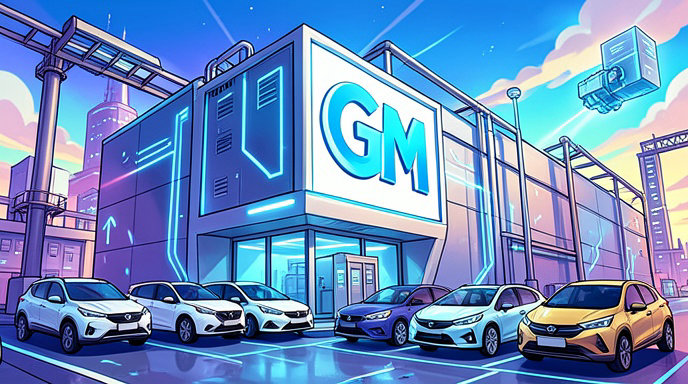
The most important physical piece of this plan is the Ultium Cells plant in Spring Hill, Tennessee, a joint venture facility with LG Energy Solution that is being upgraded to produce lower-cost battery cells. GM and LG announced the upgrade in July 2025, and commercial production of the LFP cells is expected to begin by late 2027.
This facility matters because chemistry breakthroughs only become meaningful when they can be mass-produced reliably. The Spring Hill plant gives GM a domestic manufacturing base for a lower-cost battery architecture, supporting the company’s broader push to make EVs more scalable and less dependent on expensive imported supply chains.
LMR and LFP: two paths to cheaper EVs
GM appears to be pursuing two complementary battery strategies. The first is LMR prismatic cells, aimed at delivering better range and lower pack costs for larger vehicles later in the decade. The second is LFP chemistry, which is generally cheaper and well-suited to more affordable EVs where maximum range is less critical.
Industry reports have also pointed to GM’s long-running battery work with LG Energy Solution, including efforts to push battery-pack costs below $100 per kWh, a benchmark often associated with broader EV affordability. GM has previously said its next-generation battery work is intended to slash costs enough to make EVs more accessible to mainstream buyers.
What GM is signaling about EV pricing
The company has not promised a single universal price cut, but the direction is clear: lower battery costs should support lower vehicle prices over time. Multiple reports indicate GM expects the new chemistry to reduce pack costs materially, with some estimates putting savings at more than $6,000 per vehicle for certain large EVs.
That would be especially significant for GM’s trucks and SUVs, where battery size is a major cost driver. If GM can bring those costs down while maintaining strong range and performance, it could strengthen its position against rivals in both the premium and mainstream EV markets.
The timing: a gradual rollout, not an overnight shift
GM’s near-term battery transition is still a few years away from broad commercial impact. The LFP production line at Spring Hill is expected to start in late 2027, while LMR cells are targeted for full-size EVs beginning around 2028.
That means today’s EV pricing and lineup will not change immediately. But the roadmap suggests GM is laying the groundwork for a new generation of vehicles that can be built more cheaply at scale, particularly as battery chemistry and manufacturing processes mature.
The bigger picture for the EV market
GM’s battery push comes as the broader EV market has become more price-sensitive. Automakers across the industry have been looking for ways to lower costs while keeping vehicles competitive on range, charging speed, and durability.
For GM, the strategy is especially important because it ties together product planning, battery chemistry, and factory investment. If the company succeeds, the Spring Hill facility and the next wave of LMR batteries could become central to its effort to turn expensive EVs into more accessible products for a wider audience.

Get All The Latest Updates Delivered Straight To Your Inbox For Free!