
Google Introduces Fake Call Detection to Combat AI Deepfake Scams
TL;DR
- Google has introduced new AI-powered scam detection for calls and messages, with on-device analysis that warns users in real time when a conversation appears suspicious.
- The phone feature is designed to catch deepfake-style impersonation scams by alerting users through audio, haptic, and on-screen warnings during calls.
- The broader push reflects how scammers are increasingly using AI voice cloning and impersonation tactics, making verification and caution more important than ever.
Google is rolling out a new set of scam-fighting tools aimed at one of the fastest-growing fraud threats online: AI-powered impersonation. The company says its latest features use on-device AI to spot suspicious patterns in real time, helping users identify likely scams before they hand over money, credentials, or other sensitive information.
Why this matters now
Deepfake scams have moved beyond novelty and into mainstream fraud. Security reporting and consumer-safety guidance increasingly describe scammers using cloned voices, synthetic media, and pressure tactics to impersonate trusted contacts, family members, or business associates. In practice, that means a call that sounds convincing enough to lower defenses can still be a scam.
Google’s response is aimed at restoring trust in phone communications at a moment when trust is being eroded by AI-generated deception.
How Google’s new protection works
According to Google, the company’s scam detection analyzes calls and messages on-device using AI models, which lets it warn users without sending conversational data to the cloud for this purpose. In Google Messages, the system watches for suspicious conversational patterns in SMS, MMS, and RCS chats and can display a warning that a message thread may be part of a scam, with options to dismiss or report and block the sender.
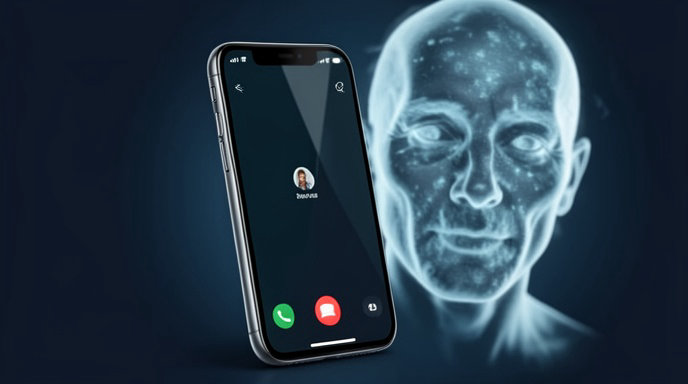
For phone calls, Google says the system can alert users through audio and haptic notifications and show a warning on the screen if a caller appears to be steering the conversation toward a scam, such as requesting payment via gift cards.
The deepfake problem Google is trying to address
The core threat is impersonation at scale. Modern scam operations can combine stolen photos, publicly available voice samples, and generative AI to create calls or messages that sound and feel authentic. Consumer security guidance also notes that these scams often rely on urgency, emotional pressure, and requests for unusual payment methods or sensitive information.
That combination makes voice-based scams especially dangerous. Unlike suspicious email grammar or obvious phishing links, a cloned voice on a live call can feel immediate, personal, and legitimate.
What users should do if a call feels suspicious
Security experts consistently recommend the same defensive habits: do not share account numbers, passwords, or personal identifiers with unexpected callers; hang up if pressure escalates; and verify through a separate channel using a known phone number or a family code word. If a caller asks for urgent payment or secrecy, that is a major red flag.
Google’s new tools are designed to help catch scams in the moment, but they do not replace basic verification habits. The safest response to an unexpected or high-pressure request is still to stop the conversation and confirm independently.
Google’s broader anti-scam push
The new call protection fits into a larger pattern of AI-assisted safety features across Google’s products. The company says it is using on-device AI to detect increasingly complex scams in both calls and messages, reflecting the reality that fraudsters are also using AI to evolve their tactics.
That broader arms race is now a defining feature of online safety: as scam methods become more convincing, defenders are leaning on the same technology to identify suspicious behavior faster than humans can on their own.
What to watch next
The biggest question is how effective the feature will be in real-world use. Scam detection tools must balance speed, accuracy, and privacy while avoiding too many false alarms that users may ignore over time. Even so, the move shows that Google sees AI impersonation scams as a mainstream security issue rather than a niche threat.
For users, the practical takeaway is simple: if your phone suddenly warns that a conversation may be a scam, treat that warning seriously, pause the interaction, and verify the request through a trusted channel.

Get All The Latest Updates Delivered Straight To Your Inbox For Free!