
Martin Scorsese Embraces AI for Innovative Storyboarding Techniques
TL;DR
- Martin Scorsese has publicly backed AI-assisted storyboarding and says he has already used tools from Black Forest Labs during preproduction on his next film.
- The reported shift is less about replacing filmmaking with AI and more about speeding up visualization, sharing ideas faster, and helping directors translate what is in their heads into shots.
- The development highlights a broader industry inflection point: AI is increasingly being viewed as a preproduction tool rather than just a content generator.
Scorsese’s AI Storyboarding Move Signals a New Preproduction Era
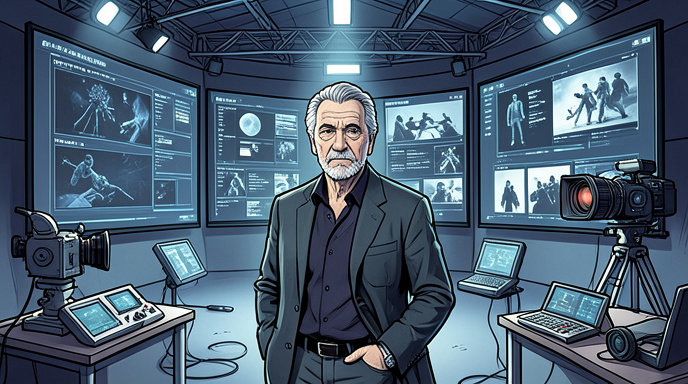
Martin Scorsese is reportedly leaning into artificial intelligence as a practical filmmaking aid, using it to streamline storyboarding and preproduction rather than as a substitute for directing craft. The key change is not that Scorsese is “making films with AI,” but that he is backing and using AI tools that help visualize scenes faster and communicate creative intent more efficiently.
A Practical Tool, Not a Creative Replacement
According to reporting from The New York Times and World of Reel, Scorsese has aligned himself with Black Forest Labs, an image-generation startup, and has already used its tools while preparing his next film, What Happens at Night. His stated interest is in the intersection of technology and storytelling, with an emphasis on how emerging tools can deepen creative expression rather than diminish it.
That distinction matters. The reports frame AI as an assistant in the early stages of filmmaking, especially for storyboarding, where directors and crews must quickly turn abstract ideas into visual plans. In that context, AI can accelerate iteration, help teams compare shot options, and make it easier to share visual concepts during the time-sensitive preproduction phase.
Why Storyboarding Is the Natural Use Case
Storyboarding is one of the clearest high-value applications for generative AI in film because it sits at the intersection of imagination, logistics, and communication. Tools in this category can take a script and generate visual sequences that approximate shot composition, pacing, and scene structure, which can be especially helpful when a filmmaker wants to test multiple ideas rapidly.
That workflow is attractive because preproduction is expensive and time-constrained. If a director can visualize and circulate a storyboard instantly, the team may move faster without sacrificing artistic intent, which is exactly the benefit Scorsese described in the reporting.
What Scorsese’s Endorsement Means for Hollywood
Scorsese is not just another filmmaker experimenting with software; he is one of cinema’s most influential figures, and his stance carries symbolic weight. His support suggests that AI is moving from a controversial novelty into a serious production tool that established filmmakers are willing to discuss publicly.
This could influence how the industry frames AI adoption. Instead of centering the debate solely on replacement and automation, Scorsese’s case points toward a narrower, more immediate question: how can AI help filmmakers visualize, communicate, and refine ideas before a single shot is filmed?
The Limits Still Matter
The current reporting does not indicate that Scorsese has abandoned traditional storyboarding or that AI is taking over the directorial process. In fact, the coverage emphasizes that his interest is in tools that help him get the images in his mind across to others more effectively.
That limitation is important because AI-generated storyboards still depend on human judgment. A tool may generate a plausible visual sequence, but the director, cinematographer, and production team still decide what actually serves the story, the tone, and the practical realities of production.
A Broader Shift in Filmmaking Workflows
The larger industry implication is that AI may become standard in early-stage visual development, especially for teams that need to move quickly or test many alternatives. Some tools already claim to generate scene variations, add motion, and convert boards into animatics, which expands their usefulness beyond static sketches.
For filmmakers, that means storyboarding may increasingly function as a rapid prototyping stage rather than a purely hand-drawn one. For studios and independent creators alike, the appeal is straightforward: faster visualization, easier collaboration, and more room to explore before principal photography begins.
Why This Matters Now
The timing is notable because Hollywood is still negotiating the creative and labor implications of AI. Scorsese’s endorsement does not settle those debates, but it does help define one acceptable and potentially transformative use case: AI as a preproduction accelerator that supports, rather than replaces, human creativity.
That framing may prove influential. If one of cinema’s most respected auteurs is comfortable using AI to sharpen story development and visual planning, more filmmakers may feel encouraged to experiment with similar tools in their own workflows.

Get All The Latest Updates Delivered Straight To Your Inbox For Free!