
Meta's $2 Billion Manus Deal Unraveled by Beijing's Intervention
TL;DR
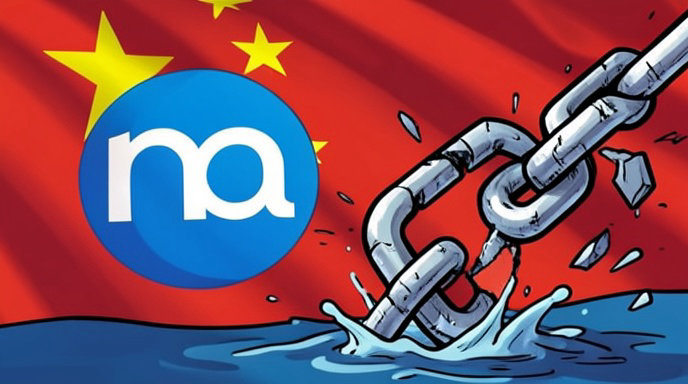
- Beijing has ordered Meta and Manus to unwind their roughly $2 billion deal, turning a finalized acquisition into a forced breakup.
- Chinese regulators first reviewed the transaction over technology-export, outbound-investment, and national-security concerns, then escalated to a direct reversal order.
- The case underscores how cross-border AI deals can be reshaped by geopolitics, with major implications for tech strategy, capital flows, and regulatory risk.
Beijing forces a rare reversal
Meta has begun dismantling its roughly $2 billion acquisition of Manus after Beijing ordered the companies to unwind the transaction. Bloomberg-reported actions cited by multiple outlets show Meta splitting operations, cutting off Manus access to internal systems, and blocking shared data use as part of the breakup process.
The move is unusual because the deal had already been finalized before Chinese authorities stepped in. Beijing’s intervention appears to be one of the clearest examples yet of China using its foreign-investment and technology-control apparatus to reverse a cross-border AI transaction after the fact.
Why Beijing intervened
Chinese regulators initially began scrutinizing the acquisition in January, focusing on whether the transaction violated export-control rules, overseas-investment requirements, or technology-transfer restrictions. Reuters reported that officials were examining whether moving Manus personnel and technology to Singapore required an export license under Chinese law.
By late April, the National Development and Reform Commission escalated the review into a more direct intervention, ordering the parties to withdraw from the deal and barring foreign investment in the Manus project. Reporting from multiple outlets said the decision reflected Beijing’s concern about losing strategically important AI talent and technology to the U.S. amid intensifying tech rivalry.
What Manus and Meta are doing now
Meta has reportedly stopped employees from using Manus tools for internal work and has restricted Manus staff access to Meta systems since early June. That operational separation suggests the companies are moving beyond a paper reversal and into a full technical and organizational disentanglement.
There are also signs that the founders are exploring a way to satisfy Beijing’s demand while preserving value. One report said Manus’s founders were considering a new funding round of about $1 billion to help finance a buyback or restructuring that could effectively return control of the company.
What Meta said
Meta told CNN that the transaction “complied fully with applicable law” and said it expected “an appropriate resolution to the inquiry.” That response is consistent with Meta’s broader position that the deal was lawfully completed, even as Beijing’s regulators pushed for a reversal.
Why this matters for the AI industry
The case is a warning for companies trying to move AI assets across borders. It shows that even a completed acquisition can be exposed to later intervention when governments view the technology as strategically sensitive.
It also highlights the growing power of regulatory chokepoints in the global AI race. For U.S. buyers, Chinese founders, and international investors, the Manus deal suggests that legal approval in one jurisdiction may not be enough if another government claims authority over technology origin, export controls, or national-security interests.
Broader business implications
For Meta, the reversal complicates an AI strategy that relies on fast access to talent, tooling, and product capabilities outside the U.S. A forced unwind can consume management attention, create operational friction, and raise the perceived regulatory risk of future acquisitions.
For the wider tech sector, the episode may accelerate “China shedding” behavior, where founders and investors structure deals to reduce exposure to Beijing’s review process. But it may also make cross-border AI transactions more expensive, slower, and harder to close, especially when sensitive models or talent are involved.
A sign of how tech competition is changing
The Manus case fits a larger pattern in which AI has become a strategic asset rather than just a commercial product. China’s willingness to intervene after a deal closes suggests regulators are prepared to treat certain AI transfers as matters of national interest, not merely corporate finance.
For global technology companies, that means the next major AI acquisition may depend as much on geopolitics as on valuation, product fit, or competitive advantage.

Get All The Latest Updates Delivered Straight To Your Inbox For Free!