
Revolutionizing Robotaxi Efficiency: Aseon Labs' Innovative Solution
TL;DR
- Aseon Labs, a startup from Y Combinator's Spring 2026 cohort, has secured $10 million in seed funding led by Crane Venture Partners to deploy autonomous "robotic pit stops" for robotaxis.
- The company's solution eliminates "deadhead miles" by bringing cleaning, charging, and inspection services directly into operating zones, reducing downtime by an estimated 65% and reset costs by 50%.
- These compact, mobile pods function as "depots-in-a-box," using robotic arms and cameras to service vehicles autonomously, aiming to make robotaxi services a profitable enterprise.
Revolutionizing Robotaxi Efficiency: Aseon Labs' Innovative Solution
The promise of autonomous transportation is a future where vehicles move people without human drivers, slashing costs and improving safety. However, a significant operational bottleneck threatens to undermine this profitability: the "deadhead miles" robotaxis must drive solely to reach distant service depots for cleaning, charging, and maintenance. Currently, fleets like Waymo lose valuable revenue-generating time traveling to these centralized hubs, a logistical inefficiency that keeps many robotaxi models in the red.
Enter Aseon Labs, a Redwood City, California-based startup that has identified this as the primary bottleneck limiting the commercial scaling of autonomous transportation. With a fresh $10 million seed round led by Crane Venture Partners, Aseon is poised to disrupt the industry with a decentralized approach to fleet servicing.
Introducing the "Robotic Pit Stop"
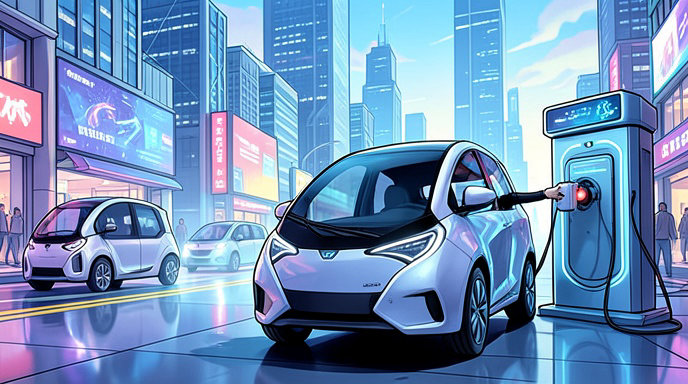
Aseon Labs' solution is a network of compact, autonomous service pods that function as "robotic pit stops." Unlike traditional depots that require vehicles to travel miles to reach them, Aseon Pods are designed to be deployed directly within operating zones. This "depot-in-a-box" concept brings fleet servicing to where the demand exists, effectively eliminating the travel time to distant service centers.
These units are temporary structures that fit within a single parking space. They are designed to be mobile, meaning they can be dispersed throughout a city and moved as needed to follow the fleet's demand patterns. By integrating with existing EV charging networks and power sources, these pods create a flexible, distributed infrastructure that supports autonomous vehicles without the need for massive, centralized construction projects.
How the Technology Works
Inside an Aseon Pod, the servicing process is entirely automated. As a robotaxi autonomously pulls into the pod, a suite of advanced technologies kicks in:
- **Robotic Arms:** These plug the vehicle into charging kiosks, retrieve lost items from the interior, and perform cleaning tasks.
- **Cameras and Sensors:** The system inspects the vehicle's exterior, calibrates onboard sensors, and transmits diagnostic data back to the fleet company.
- **Automated Cleaning:** The pod washes the car and removes trash, ensuring the vehicle is ready for its next passenger immediately.
The units are powered by propane generators or direct connections to EV charging partners, ensuring they can operate independently in various locations. This level of automation not only speeds up the reset workflow but also drastically reduces the need for costly human labor at service depots.
The Economic Impact: From Red to Green
The financial implications of Aseon's technology are profound. The startup estimates that eliminating travel time to distant depots and reducing human labor can cut reset costs by 50% and downtime by 65%. More importantly, this efficiency is projected to increase per-vehicle revenue by more than $50,000 annually.
By slashing deadhead miles, Aseon Labs aims to transform robotaxi services from a speculative venture into a profitable enterprise. The company's co-founders, who previously launched the battery-swapping startup Pushme, understand the intricacies of autonomous infrastructure. Their vision is to create a system where autonomous vehicles can reset directly inside the city, optimizing the routes that fleets currently waste on maintenance logistics.
A New Era for Autonomous Transportation
Aseon Labs' entry into the market, backed by major investors including Y Combinator, Uber co-founder Garrett Camp’s venture firm Expa, and Founders Capital, signals a growing confidence in decentralized autonomous infrastructure. The startup's pitch is clear: a network of distributed, autonomous pods is the key to unlocking the true potential of robotaxis.
As the technology scales, the industry may see a fundamental shift in how autonomous fleets are managed. Instead of relying on massive, centralized depots, the future of robotaxi efficiency lies in small, mobile, and intelligent service points that follow the fleet wherever it goes. With its recent funding and innovative approach, Aseon Labs is not just building a service; it is building the foundation for a profitable, scalable future of autonomous transportation.

Get All The Latest Updates Delivered Straight To Your Inbox For Free!