
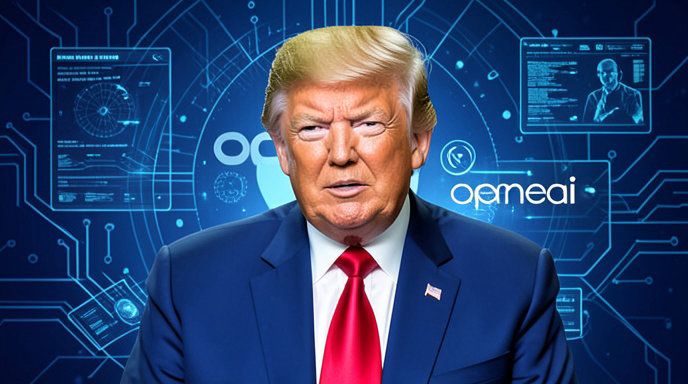
Trump Administration Explores Equity Stake in OpenAI for American Benefit
TL;DR
- The Trump administration is reportedly discussing a possible U.S. government equity stake in OpenAI, with the idea tied to letting Americans share in AI’s upside.
- OpenAI CEO Sam Altman has reportedly floated the concept since early 2025, including a “Public Wealth Fund” framework that could distribute returns to citizens.
- The talks are still preliminary, and major questions remain about the legal structure, valuation, and whether any deal would ultimately happen.
Trump administration explores stake in OpenAI
The Trump administration is reportedly weighing a plan that could give the U.S. government an equity stake in OpenAI, a move framed by President Donald Trump as a way for the American public to benefit directly from artificial intelligence growth. Reports say the concept has been discussed in recent conversations between administration officials and OpenAI CEO Sam Altman, though the idea is still in an early and uncertain stage.
How the idea surfaced
According to multiple reports, Altman first raised the concept with Trump in early 2025 and has continued discussing it with senior administration officials since then. The core pitch is that AI companies could voluntarily cede shares to the government, which could then channel the returns into public purposes such as direct payments to households or a broader public fund.
Trump has echoed that framing publicly, saying he has been talking with AI executives about arrangements in which “pieces could be given to the American public,” making citizens “partners with the companies.” Bloomberg reported that he described the concept as one where the public could share in AI’s success.
What OpenAI’s “Public Wealth Fund” means
A key part of the discussion appears to be OpenAI’s own policy proposal for a Public Wealth Fund. Under that framework, OpenAI suggested that proceeds from the fund could be distributed directly to citizens so more people could participate in AI-driven economic growth, regardless of wealth or access to capital.
That proposal gives the reported talks a specific structure: instead of a traditional government purchase of shares, OpenAI could potentially donate equity to help seed a public fund. Reports say this is one of the models being discussed, but no terms have been finalized.
Why the administration may be interested
For the Trump administration, the appeal is political and economic. Supporters of the idea argue it could let the public share in the value created by a technology that is becoming central to the economy. It could also signal federal backing for companies at the center of the AI boom, which may matter as firms prepare for possible public listings and face rising scrutiny over the social effects of AI.
The Wall Street Journal reported that government participation could also function as a form of endorsement from regulators, potentially easing concerns about AI’s economic disruption. That same advantage could also create complications if the government becomes financially exposed to the sector’s volatility.
Big obstacles remain
Despite the attention, the plan is far from settled. NOTUS reported that the legal mechanism for an AI company to transfer equity to the government is unclear, and that uncertainty could block the idea from moving forward. The same report said the talks are preliminary and may never result in a deal.
There are also practical questions about governance, valuation, and distribution. It is not yet clear whether the arrangement would resemble a sovereign wealth fund, a dividend program, or some other structure. Reports indicate those details remain under discussion.
Why this matters for the AI industry
If pursued, a government stake in OpenAI would mark a striking new phase in U.S. tech policy. It would blur the line between industrial policy and investment policy, putting the federal government in a direct financial relationship with one of the most powerful AI companies in the world.
For OpenAI, the arrangement could help reinforce its public-interest narrative at a time when AI firms are under pressure to prove that their growth benefits more than just investors and employees. But it could also raise fresh concerns about conflicts of interest, regulatory favoritism, and whether the government should hold equity in companies it may later need to regulate.
What happens next
Trump has said he expects to meet with AI executives soon to discuss the broader idea of public participation in AI gains. For now, though, the discussions appear to be exploratory rather than concrete, and no company-specific agreement has been announced.
The most immediate takeaway is that the administration is treating AI not just as a technology issue, but as a question of how national wealth should be created and shared. Whether that becomes a real deal with OpenAI remains unresolved.

Get All The Latest Updates Delivered Straight To Your Inbox For Free!