
Waymo Heist: How a Burglar Used a Self-Driving Car to Steal Yoga Gear
TL;DR
- A bizarre San Francisco theft story has put Waymo robotaxis back in the spotlight: a burglar reportedly used a driverless car while targeting yoga gear, raising questions about how autonomous vehicles can be exploited in real-world crime.
- The bigger issue is not just the theft itself, but the surveillance trail Waymo vehicles can create through exterior sensors, interior cameras, and operational logs.
- Waymo says it uses vehicle data to support safety, operations, and incident review, but the episode highlights the privacy and retention questions that come with rolling sensor-rich cars.
A strange new kind of getaway vehicle
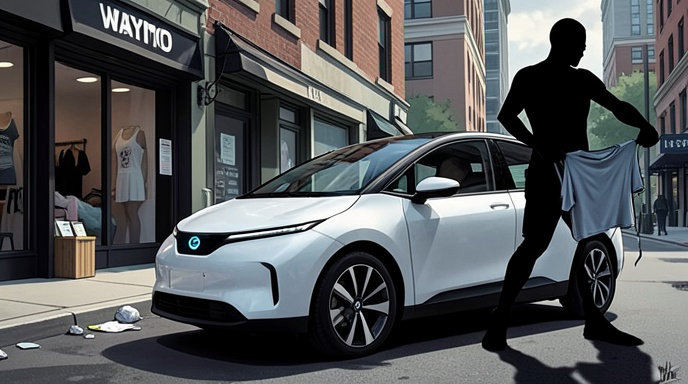
San Francisco has become an unlikely proving ground for autonomous vehicles, and now for a stranger category of crime reports tied to them. In the latest incident drawing attention, a burglar allegedly used a Waymo robotaxi in connection with a theft involving yoga clothes, turning a driverless car into part of the crime scene rather than just a mode of transportation.
The broader significance goes beyond the theft itself. As robotaxis become more common, they are also becoming more visible in police reports, social media clips, and public debate about whether their cameras and software make them uniquely vulnerable to misuse—or uniquely useful as witnesses.
Why this case stands out
Unlike a typical street theft, this story involves a vehicle built to observe its surroundings continuously. Waymo robotaxis are equipped with an array of sensors and cameras designed to navigate city streets safely, which means a crime involving one may leave behind a detailed digital record.
That creates a paradox: the same systems that make autonomous driving possible may also make it harder for criminals to avoid detection. If an incident occurs around or inside a Waymo vehicle, there may be video, sensor telemetry, timestamps, and location data that can help reconstruct what happened.
The surveillance question: what does Waymo keep?
This is where the story becomes a tech-policy issue. Waymo has said in past reporting that its vehicles gather data for safety, product development, and operations, and that the company can review recordings and related information when incidents occur. That makes sense for a company operating self-driving cars at scale, but it also raises a familiar concern: how long is that data retained, who can access it, and under what circumstances is it shared with law enforcement?
Public reporting on recent Waymo controversies shows that the company’s cars are often at the center of incidents captured on video, whether vandalism, harassment, or strange operational glitches. Those episodes underscore the fact that autonomous vehicles are not just transportation devices; they are mobile surveillance platforms with corporate data pipelines attached.
Why criminals may not be thinking clearly
Using a robotaxi in a theft is risky because it is not a neutral object. A Waymo car can preserve evidence of where it went, how long it stopped, and who approached it. In practice, that can make the vehicle a liability for anyone trying to hide a crime.
At the same time, the presence of a robotaxi may create confusion in the moment. A self-driving car can look like a convenient, ordinary city vehicle, even though it is instrumented more like a rolling sensor suite than a private sedan. That combination of familiarity and instrumentation is what makes incidents like this so unsettling.
A growing pattern of Waymo-related incidents
This is not the first time Waymo vehicles have become part of an unsettling San Francisco story. Recent reporting has documented robotaxis being vandalized, tagged, blocked by bystanders, and even set on fire in the city’s Chinatown neighborhood. In those cases, too, the vehicles were empty and the footage spread rapidly online, turning local incidents into national tech news.
Separately, riders have also reported harassment and odd edge-case failures involving robotaxis, reinforcing the idea that autonomous fleets are still learning how to operate in unpredictable urban environments.
The bigger implications for autonomous cars
The yoga-gear theft story highlights three issues that are likely to grow more important as robotaxis spread:
- Evidence collection: autonomous vehicles can generate unusually rich forensic records.
- Privacy: passengers and bystanders may be recorded more extensively than they realize.
- Accountability: companies need clear rules for retention, access, and disclosure when incidents occur.
That makes Waymo’s data practices a central part of the public conversation, not a side issue. If robotaxis are going to function as everyday infrastructure, people will want to know not only how they drive, but also how they watch, store, and share what they see.
What happens next
For now, the incident reads like a surreal snapshot of the near future: a theft case involving yoga clothes, a driverless car, and an electronic trail that may be harder to outrun than any witness on the street.
The larger story is that autonomous vehicles are no longer just being judged on whether they can drive themselves. They are also being judged on whether the companies behind them can manage the powerful surveillance systems they put on public roads.

Get All The Latest Updates Delivered Straight To Your Inbox For Free!