
Waymo Transforms Robotaxi Batteries into Sustainable Grid Storage
TL;DR
- Waymo is partnering with B2U Storage Solutions to give retired robotaxi batteries a second life as grid-connected energy storage.
- The program will deploy used batteries in California and Texas, helping store excess renewable power and release it during peak demand.
- Waymo says the effort supports a circular economy and could eventually move thousands of batteries and hundreds of megawatts of storage capacity into the power sector.
Waymo Transforms Robotaxi Batteries into Sustainable Grid Storage
Waymo’s new second-life battery strategy
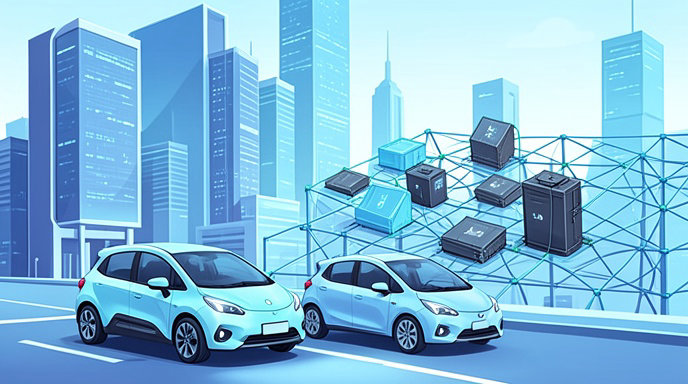
Waymo is moving beyond autonomous driving and into energy storage through a new partnership with B2U Storage Solutions, a company that specializes in repurposing used electric-vehicle batteries for grid use. The companies say retired batteries from Waymo’s all-electric fleet will be converted into stationary storage systems rather than sent directly to recycling.
The move is positioned as both a sustainability play and a practical way to extend the useful life of lithium-ion battery packs after they no longer meet vehicle-performance requirements.
How the battery repurposing will work
According to Waymo and reporting on the deal, the used battery packs will be installed into grid-connected battery energy storage systems that can absorb electricity when demand is low and discharge it when demand rises. B2U says its technology can integrate EV batteries directly into stationary storage applications, allowing them to operate safely and efficiently for several more years before final recycling.
B2U’s system is designed to reuse batteries without fully dismantling them first, a process that can lower costs compared with building storage entirely from newly manufactured battery materials.
Why California and Texas are the starting points
The first deployments will serve electricity markets in California and Texas, two regions where Waymo already operates autonomous ride-hailing services. That geographic overlap makes the pilot particularly practical: batteries retired from vehicles operating in those markets can be redeployed into local grid infrastructure nearby.
Once installed, the systems are expected to store surplus renewable energy during periods such as midday solar overgeneration and return that energy during peak demand windows.
A circular-economy pitch with grid benefits
Waymo is framing the partnership as part of a broader circular economy strategy. Instead of treating retired robotaxi batteries as waste, the company says they can become a resource that supports local electricity networks and clean-energy integration.
The grid value is straightforward: stationary storage can help smooth intermittent renewable supply, improve reliability, and add flexible capacity when consumption spikes. Waymo says its vehicle maintenance program also helps extend battery and vehicle life before retirement, further supporting the reuse model.
Scale: hundreds of megawatts and possibly thousands of batteries
Waymo says the partnership with B2U could ultimately deploy hundreds of megawatts of storage capacity across grids serving its cities. Other reporting says the initiative may transition thousands of retired batteries from transportation into the power sector over time.
That scale matters because used EV batteries are becoming a growing resource as more electric fleets age out of road duty. Waymo’s move shows how autonomous-vehicle operators may increasingly treat battery end-of-life management as part of their energy strategy, not just a recycling problem.
How this fits into the broader battery-reuse market
Waymo is not the only company pursuing second-life battery systems, but the partnership adds a high-profile autonomous-fleet use case to the sector. B2U is one of several companies focused on repurposing used EV batteries for grid storage rather than immediately breaking them down for materials recovery.
The trend is also relevant to the broader EV supply chain. If stationary storage can reliably use batteries that no longer meet driving standards, battery owners may extract more value from each pack before recycling, potentially easing pressure on raw-material demand and lowering storage costs.
What to watch next
The biggest questions are execution, scale, and economics. The companies have described the partnership in ambitious terms, but they have not yet disclosed full deployment schedules, specific site locations, or the number of battery packs in the first wave.
Still, the strategy is notable because it links autonomous mobility with grid infrastructure in a concrete way. If Waymo and B2U can scale the model, retired robotaxi batteries could become a meaningful new source of distributed energy storage for the clean-power transition.

Get All The Latest Updates Delivered Straight To Your Inbox For Free!