
Easily Switch from iPhone to Android: Google's New Data Transfer Feature
TL;DR
- Google is rolling out a wireless-first way to move from iPhone to Android, reducing the need for special cables or a separate migration app.
- The updated transfer flow can move a wider set of data, including messages, photos, Wi‑Fi credentials, passwords, passkeys, and eSIM details on supported devices and carriers.
- Google says the feature is available on a small percentage of Android 17 devices now, with a broader rollout planned in the coming weeks and months.
Google’s latest update is aimed at making one of smartphone switching’s most frustrating chores far easier: moving from an iPhone to an Android phone. The company is revamping its Android Switch migration process to support wireless transfer without requiring users to install a separate app first, while also expanding the kinds of data that can come across intact.
A smoother path for iPhone switchers
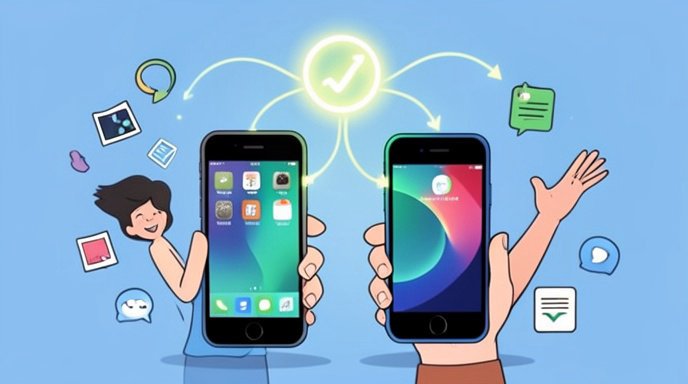
For years, moving from iPhone to Android typically meant juggling cables, setup screens, and multiple prompts before the transfer could begin. Google’s updated approach shifts the experience toward a wireless-first process, which means the transfer can work without special USB-to-Lightning adapters or a separate migration app in many cases.
Google’s own switch-to-Android guidance already describes a setup flow that can be done wirelessly or with a cable, and notes that users can also use QR-based pairing on some newer devices. The new update builds on that foundation by making wireless transfer more central to the experience.
What can be transferred now
Google says the updated migration flow supports a much broader set of content than before. In addition to core items like photos, videos, contacts, and calendar entries, the transfer can now include passwords, passkeys, Wi‑Fi credentials, alarms, call history, files and folders, calendar attachments, encrypted RCS messages, and Apple Notes attachments and labels on supported devices.
Messaging is also getting a major upgrade. Google says SMS, MMS, RCS, and iMessage conversations can be migrated, including large group chats, stickers, reactions, and message threads. That is a notable step because message history has often been one of the most painful parts of switching platforms.
Google account and eSIM migration
Another important part of the update is tighter integration with Google account sign-in. According to Google’s new migration workflow, users can move their Google account from an iPhone to a new Android device and be signed in automatically during setup.
The process also supports eSIM transfer for compatible carriers and devices, which should reduce another common setup hurdle when switching phones. Google’s existing setup instructions already note that users may be prompted to transfer eSIM information during setup and should keep both devices connected until the process finishes.
How the new transfer process works
Google’s current setup guidance says users should have both phones charged, keep them near each other, and make sure Wi‑Fi is stable during the transfer. For wireless setup, some newer Android devices may show a QR code that the iPhone can scan to pair the devices without a cable.
The company also advises users to have their iPhone charging cable nearby in case a wired transfer is needed. If the transfer is interrupted, Google says it can be completed later using the Android Switch tool in Pixel settings.
Why this matters
This update is important because the decision to switch phones is often shaped less by hardware and more by migration pain. If a transfer is easy, people are more willing to change platforms; if it is slow or risky, they may stay put.
Google appears to be trying to remove that friction by making the process more self-contained, more wireless, and less dependent on separate setup apps or adapters. That is especially relevant for users who want a cleaner handoff when upgrading from an iPhone to a Pixel or another Android device.
Availability and rollout
Google says the new migration experience is currently live for only a small percentage of Android 17 devices, with a wider rollout expected over the coming weeks and months. That means many users will not see the full updated flow immediately, even though Google’s broader switch-to-Android tools already support wireless and cable-based transfers in some form.
For now, the practical takeaway is simple: switching from iPhone to Android is getting less complicated, and Google is moving quickly to make the process feel more like a standard phone setup than a technical migration project.

Get All The Latest Updates Delivered Straight To Your Inbox For Free!