
Revolutionizing Work-Life Balance: The Future of Founder Houses in London
TL;DR
- A London founder house is drawing attention for treating wellbeing as a core part of startup life rather than a perk, pairing workspaces with rest, community, and recovery-focused routines.
- The model reflects a broader shift among founders who are pushing back against burnout by using boundaries, structured schedules, and shared accountability to make entrepreneurship more sustainable.
- If the approach scales, founder houses could reshape startup culture in London by making work-life balance a competitive advantage instead of a tradeoff.
A new kind of startup home in London
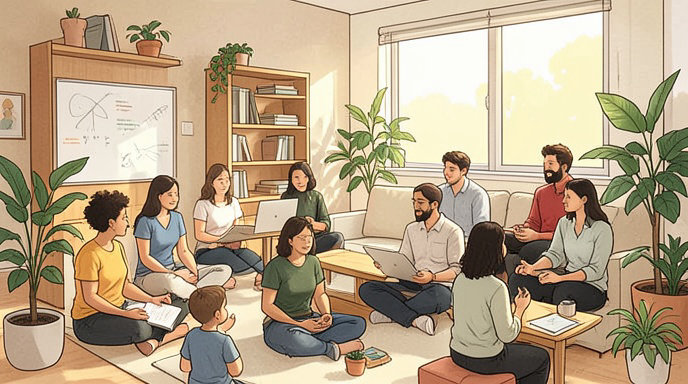
London’s startup scene is increasingly experimenting with a different kind of founder living arrangement: a house that blends work and wellbeing instead of glorifying nonstop hustle. One recent profile described the concept as “a destination for work and wellbeing,” capturing the appeal of a space that is designed to support productivity without erasing personal life.
That idea is resonating because burnout has become a persistent issue in entrepreneurial culture. Founders often work long hours, blur the line between professional and personal time, and carry the pressure of constant availability. Against that backdrop, a founder house that actively prioritizes rest and community feels less like a novelty and more like a response to a real structural problem.
Why the founder-house model matters
Traditional startup culture has long rewarded intensity, sacrifice, and speed. But the newer founder-house model suggests that those habits may be unsustainable for many early-stage entrepreneurs. By combining living space, work space, and social infrastructure, these houses aim to create an environment where founders can stay focused without isolating themselves.
The appeal is not just comfort. It is operational. Founders who manage their time better, protect their energy, and avoid unnecessary burnout are more likely to sustain the long timelines that startups usually require. Advice from entrepreneurs on maintaining balance consistently emphasizes priorities, boundaries, and realistic schedules rather than round-the-clock effort.
The practices that set these spaces apart
What makes these founder houses interesting is not only the setting, but the routines inside them. The article highlights a culture built around healthier patterns of working and living, with community activities that encourage connection and reduce the pressure to perform constantly.
Across broader founder advice, the same themes keep appearing:
- Clear priorities help prevent work from expanding into every hour of the day.
- Strict working hours and deliberate disconnection can make rest more consistent.
- Time blocking and delegation help founders focus on the most important tasks instead of staying busy all the time.
- Planning ahead, using smaller constraints on work time, and avoiding reactive work are all ways to reduce stress and improve output.
In a founder house, those principles can be reinforced socially. When the surrounding community values balance, it becomes easier for residents to normalize taking breaks, protecting evenings, and treating recovery as part of the job.
A cultural shift, not just a lifestyle trend
The bigger story is that founder houses may represent a broader correction in startup culture. For years, the ideal founder was often portrayed as someone always online, always building, and always sacrificing. The emerging model in London suggests a different definition of ambition: one where founders still work intensely, but inside a structure that reduces burnout and makes that intensity more sustainable.
That shift matters because startup success is usually measured over years, not weeks. Advice from founders points to the importance of long-term stamina, planning, delegation, and maintaining enough energy to keep building over time. A community environment that supports those habits could give residents a practical edge.
Why London is a natural testbed
London’s dense startup ecosystem makes it a natural place for experiments like this. The city already attracts early-stage builders, investors, and operators who want to stay close to the center of the action. A founder house adds another layer: proximity to peers, shared momentum, and an environment that can reduce the loneliness that often comes with building a company.
That combination of geography and culture may be what gives the model its momentum. Instead of treating rest as a distraction from innovation, these houses frame it as something that enables better work. That framing is important in a city where competition can push founders toward overwork, and where a healthier alternative may be increasingly attractive.
What could come next
If this approach proves durable, London’s founder houses could influence how startup communities think about workspace, housing, and founder support. The model could expand beyond a niche housing experiment into a more recognizable part of the early-stage ecosystem, especially if it helps residents stay productive without burning out.
The real test will be whether these communities can preserve their balance-oriented ethos as they scale. But for now, they offer a compelling sign that the future of startup life may be less about glorifying exhaustion and more about building systems that help founders stay effective for the long haul.

Get All The Latest Updates Delivered Straight To Your Inbox For Free!