
SpaceX's V3 Starlink Launch: Successes and Setbacks
TL;DR
- SpaceX’s first Starship V3 test flight delivered key objectives, including upper-stage progress and the deployment of Starlink test payloads, but the mission also suffered a booster loss on return.
- The launch is being viewed as an important step toward larger-scale Starlink V3 deployments and future Starship reuse, even though reliability challenges remain.
- SpaceX’s recent Starship testing also showed progress on the Pez dispenser deployment system and other Starship V3 hardware, suggesting the program is advancing despite setbacks.
SpaceX's V3 Starlink Launch: Successes and Setbacks
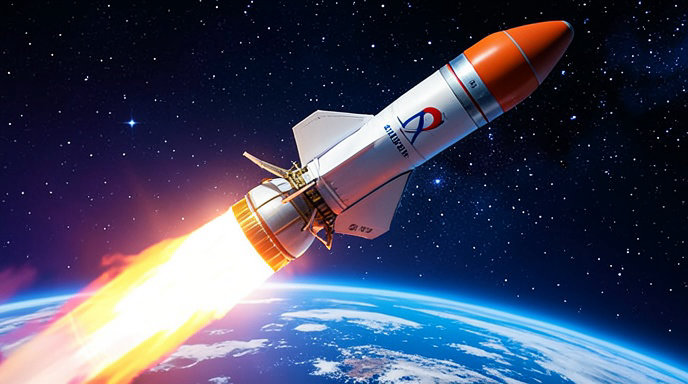
SpaceX’s latest Starship V3 mission marked a major step forward for the company’s next-generation launch system, even as the flight ended with a booster failure during the return attempt. The mission deployed Starlink-related test payloads successfully, but the Super Heavy booster failed to complete its planned boostback and was lost over the Gulf of Mexico. The upper stage continued its flight and completed much of the test profile, underscoring both the promise and the fragility of SpaceX’s rapid-development approach.
A milestone flight with mixed results
The flight was the first real shakedown of the upgraded Starship V3 hardware, which SpaceX has been developing for months. According to reporting on the launch, the rocket released all 20 Starlink satellite simulators, along with two modified Starlink satellites designed to capture imagery of Starship’s exterior, demonstrating meaningful progress in payload deployment testing.
What the mission achieved
Reuters also reported that Starship’s deployment mechanism successfully released eight dummy Starlink satellites during an earlier V3 test flight, helping validate the “Pez dispenser” concept SpaceX intends to use for future higher-capacity Starlink missions. That deployment system is central to SpaceX’s plan to move much larger batches of Starlink V3 satellites on Starship.
Where things went wrong
The most visible setback came from the booster return sequence. SpaceX’s Super Heavy booster was supposed to execute a controlled return and simulated landing, but its engines did not properly re-ignite for the sustained burn needed to guide it back. The booster tumbled into the water and was likely destroyed.
That result followed earlier Starship V3 launch delays and technical issues, including a scrub caused by a hydraulic pin on the launch tower arm that failed to retract as intended. SpaceX had also dealt with a booster explosion during testing in the months leading up to the V3 debut, showing that the program still faces engineering and reliability challenges.
Why the booster failure matters
For SpaceX, booster recovery is not a side issue; it is a core part of the economics of Starship. A reusable first stage is essential if the company wants to launch Starlink satellites at very high cadence and low cost. Losing the booster does not erase the mission’s accomplishments, but it does show how difficult full reuse remains for a rocket system of this size and complexity.
The booster setback also highlights the balance SpaceX is trying to strike between aggressive testing and operational maturity. Reuters described the flight as a significant development milestone, but one reached through a “test-to-failure” approach that has produced repeated setbacks before later progress.
What this means for Starlink V3
Starlink V3 satellites are expected to represent a major upgrade in network capacity, and that is why Starship matters so much to the program. According to a SpaceX-linked discussion of the rollout, Starlink V3 is intended to deliver much higher throughput than earlier versions, making Starship-based launches critical to scaling the constellation.
The successful deployment tests suggest that SpaceX is moving closer to that goal, but the booster loss underscores an important reality: even if Starship can carry and release the satellites, the company still has to prove it can do so reliably and repeatedly. Until then, Starlink V3 expansion will likely remain limited by the pace of Starship’s maturation.
The significance of Starship V3’s second flight progress
The broader significance of the recent V3 testing is that SpaceX appears to have advanced beyond the early-stage turbulence that marked much of the Starship program’s testing history. Reuters noted that the V3 flight represented a major development step after a series of earlier issues, including failures that had delayed progress. The mission’s success in deploying test payloads and completing a large portion of the flight profile suggests that SpaceX is beginning to validate the architecture needed for future operational missions.
At the same time, the booster failure is a reminder that Starship V3 is still in the proving stage. SpaceX has made visible progress, but the remaining work is substantial before the system can support routine Starlink V3 launches at scale.
What to watch next
The next phase for SpaceX will likely focus on improving booster recovery, refining engine relight performance, and validating the launch tower and ground systems that support rapid reusability. The company’s recent progress with payload deployment means the Starlink side of the program is advancing, but the booster challenge shows that the full Starship system still needs more flight data.
If SpaceX can turn these partial successes into repeatable outcomes, Starship V3 could become the launch backbone for the next generation of Starlink satellites and a major step toward the company’s broader Mars and deep-space ambitions.

Get All The Latest Updates Delivered Straight To Your Inbox For Free!