
US Citizen Challenges Phone Wiping Claim at Border: A Constitutional Debate
TL;DR
- A U.S. citizen is disputing the government’s claim that he voluntarily entered a passcode before his phone’s data was wiped during a border search, putting the legality of the search under scrutiny.
- The dispute lands in the middle of an ongoing constitutional fight over how far border agents can go when searching phones and laptops without a warrant or individualized suspicion.
- Recent court rulings and advocacy groups are pressing for stronger privacy protections, while other courts have continued to allow broad manual searches at the border.
A border search becomes a constitutional test
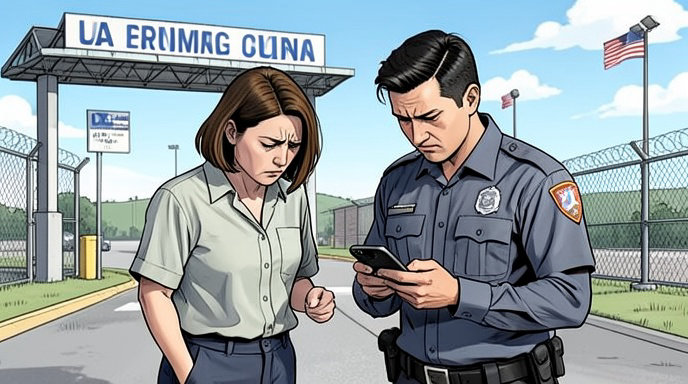
A U.S. citizen is challenging the government’s account that he provided his phone passcode voluntarily, saying the information was obtained under duress and that the device’s data was wiped during the border search. The case highlights a recurring and increasingly contentious question: how much privacy protection do travelers retain when they cross into the United States? The dispute is part of a broader legal battle over whether border agents can inspect smartphones and laptops without a warrant.
Why the phone-search issue matters
Smartphones now hold intensely personal records, including messages, photos, location history, and account access. The ACLU and Electronic Frontier Foundation argue that this makes device searches far more intrusive than ordinary border inspections and that the government should need a warrant based on probable cause before examining them.
That argument is rooted in the Fourth Amendment’s protection against unreasonable searches and seizures, which generally requires a warrant for intrusive searches. The Supreme Court has also recognized in other contexts that digital devices can implicate especially strong privacy interests because of the volume and sensitivity of the data they contain.
What courts have said so far
The legal landscape is unsettled, but the government has so far retained substantial authority at the border. The First Circuit held that border agents can manually browse through a U.S. citizen’s phone or laptop without any individualized suspicion, and can keep the device for a reasonable period afterward. The court said more invasive forensic searches, such as using external equipment to extract data or examine deleted or encrypted files, require reasonable suspicion.
A separate recent Fourth Circuit ruling, as summarized by the Electronic Frontier Foundation, also allowed manual phone searches at the border without suspicion, describing them as “routine” under the Fourth Amendment.
At the same time, civil liberties groups continue to press the opposite view. The ACLU and EFF recently asked a federal court to rule that the Department of Homeland Security violates the First and Fourth Amendments when it searches travelers’ phones and laptops without a warrant.
The bigger privacy fight at the border
The new dispute is not just about one traveler’s phone. It speaks to a larger policy conflict over whether the border exception to the Fourth Amendment should apply to modern digital devices in the same way it has traditionally applied to luggage and other physical items. Privacy advocates argue that a phone search can expose far more than a bag inspection and can reveal intimate details about a person’s life, associations, and beliefs.
Supporters of broader search powers argue that border officers need flexibility to prevent smuggling, security threats, and illegal crossings. Courts that have upheld suspicionless manual searches have generally accepted that the government’s border-security interests justify a lower standard than would apply inland.
Why this case could matter going forward
If the citizen’s claim about duress is substantiated, the case could sharpen the question of whether a passcode given at the border can really be treated as voluntary consent. That issue matters because consent can affect whether a search is considered lawful, especially when the government later argues that the traveler cooperated. The facts could also influence how courts evaluate claims that phone data was wiped during the encounter, which would raise additional concerns about evidence preservation and the scope of permissible border conduct.
For now, the case underscores a simple reality: border searches of phones are no longer a narrow law-enforcement issue. They are becoming a major constitutional debate over how the Fourth Amendment applies to personal devices that contain the most private parts of modern life.

Get All The Latest Updates Delivered Straight To Your Inbox For Free!