
WhatsApp Usernames Spark Privacy Debate Amid Impersonation Concerns
TL;DR
- WhatsApp has begun allowing users to reserve unique usernames, a feature set for full global rollout later in 2026, enabling people to message without revealing their phone numbers.
- The update is designed to close a major "privacy blind spot," offering greater control for users connecting with strangers, businesses, or in large group chats.
- Critics and government officials in India have raised alarms that the feature could facilitate fraud, impersonation, and "digital arrest" scams, questioning whether Meta's safeguards are sufficient.
WhatsApp Usernames Spark Privacy Debate Amid Impersonation Concerns
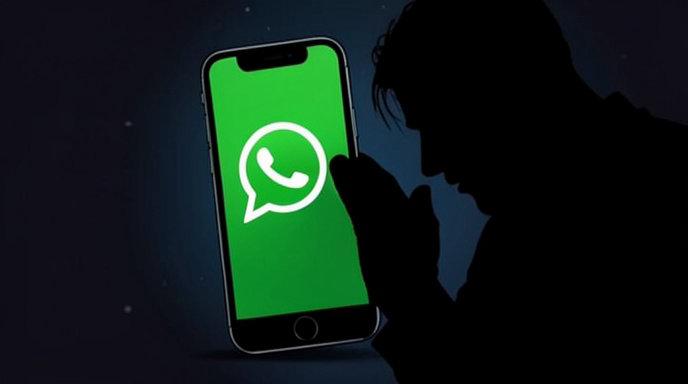
WhatsApp is undergoing one of its most significant shifts in nearly two decades. For the first time since its launch 17 years ago, the Meta-owned messaging platform is allowing users to connect via unique usernames instead of mandatory phone number exchanges. While the company frames this as a landmark privacy fix, the move has ignited a fierce debate regarding security, identity verification, and the potential rise of cybercrime.
A Historic Privacy Upgrade
The new feature, which began with an early reservation phase for users on the latest app version, is designed to address a long-standing "privacy blind spot." Currently, WhatsApp requires users to share their personal mobile numbers to initiate a conversation. This creates a vulnerability where a user's private contact information can be exposed to strangers, businesses, or malicious actors simply by joining a group or being added to a chat.
Under the new system, users can choose a handle between three and 35 characters long. Once the feature is fully activated later this year, users will be able to be "findable" and contacted exclusively by their username. Their phone numbers will remain hidden from anyone who does not already have them saved.
Meta has stated that the rollout will be gradual over the coming months, with notifications sent to users in their respective countries when the feature becomes available. Companies, creators, and organizations with existing accounts on Instagram or Facebook will also have the opportunity to claim their existing usernames as their WhatsApp handles.
The Rules of the New Handle
To prevent confusion and potential impersonation, WhatsApp has established specific rules for username creation. Usernames must include at least one letter and cannot consist solely of numbers or symbols. They are restricted to lowercase letters (a–z), numbers (0–9), periods, and underscores.
Crucially, usernames cannot start with "www." or end with a domain extension like ".com" or ".net," ensuring users do not mistake them for official websites. To further protect high-profile individuals, Meta will hold back usernames for celebrities, public figures, and government entities to prevent impersonation. Users must download the latest version of the app and navigate to Settings > Account > Username to reserve their handle; this process is currently only available on smartphones and cannot be done via WhatsApp Web or Desktop.
Critics Voice Alarm Over Fraud and Impersonation
Despite the privacy benefits, the introduction of usernames has sparked immediate concern among security experts and government officials. The primary fear is that the feature will make it easier for scammers to operate anonymously, hiding behind fake identities that are harder to trace than a phone number.
In India, where WhatsApp is ubiquitous, government officials have flagged the feature as "problematic." Concerns center on the potential for "fraud," "impersonation," and the rise of "digital arrest" scams—a type of cybercrime where victims are coerced into believing they are under legal arrest and are forced to pay ransoms. Authorities worry that without the tangible link to a phone number, verifying the identity of a sender becomes significantly more difficult, potentially leaving users more vulnerable to sophisticated social engineering attacks.
Security experts argue that while Meta has implemented some safeguards, such as blocking high-profile username impersonation, the system lacks a robust verification mechanism for general users. The ability to create a unique handle without immediate phone number verification for the recipient could lower the barrier for bad actors to create multiple fake accounts.
Balancing Privacy with Accountability
The debate highlights a classic tension in the digital age: how to balance user privacy with the need for accountability. Meta argues that the feature is essential for modernizing the platform and aligning it with other social media and messaging apps where usernames are the standard identifier. They emphasize that the end-to-end encryption remains intact, and existing safety tools like blocking and reporting will still function.
However, the question remains whether these tools are sufficient in a world where the primary identifier is an anonymous string of characters rather than a verified phone number. As WhatsApp prepares for its global rollout in 2026, the tech community and regulators will be watching closely to see if the platform can prevent the username feature from becoming a new vector for cybercrime.
Users who wish to secure their privacy by reserving a username now must act quickly, as the reservation window is open before the wider public launch. While the move offers a significant step toward digital privacy, it also demands a new level of vigilance from users to ensure they are connecting with the right people.

Get All The Latest Updates Delivered Straight To Your Inbox For Free!