
Zoox's Robotaxi Software Recall: Addressing Safety Concerns in Autonomous Vehicles
TL;DR
- Zoox issued a voluntary software recall for its entire fleet of 105 robotaxis after one vehicle struggled to navigate heavy smoke near an active fire scene in June, stalling and braking abruptly.
- The recall addresses a flaw in detecting heavy smoke, which could cause autonomous vehicles to inadvertently enter emergency zones and obstruct fire trucks, ambulances, or police vehicles.
- U.S. regulators are intensifying scrutiny of autonomous vehicles' interactions with emergency responders, with the NHTSA recently warning self-driving companies to stop interfering with first responders.
The Smoke Incident That Sparked a Recall
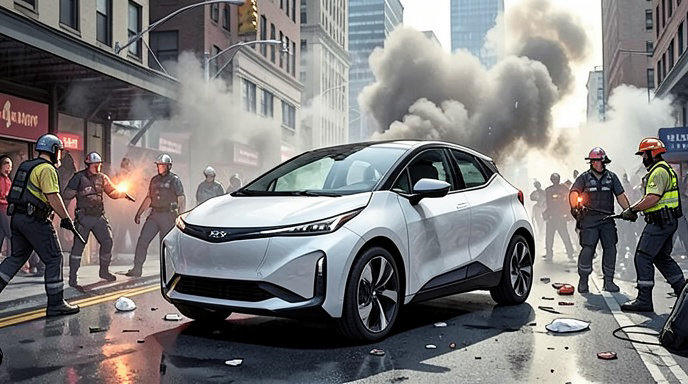
In June, an unoccupied Zoox robotaxi encountered heavy smoke near an active fire scene in California, leading to a critical failure in the vehicle's navigation system. According to the company's report filed with the National Highway Traffic Safety Administration (NHTSA), the robotaxi entered the smoky area, braked abruptly, and stalled while attempting to navigate the scene. Nobody was on board during the incident, and Zoox stated it is unaware of any injuries associated with the problem.
The incident highlighted a specific vulnerability in Zoox's automated driving system: the inability to properly detect and respond to heavy smoke in certain situations. This deficiency poses a significant safety risk, as it could lead to autonomous vehicles inadvertently entering active emergency zones and obstructing the movement of emergency personnel.
A Critical Software Flaw
Zoox identified the underlying issue as a software vulnerability rather than a mechanical component failure. The company reported that certain versions of its automated system could fail to adequately detect heavy smoke, potentially delaying the vehicle's response to a safety hazard. To resolve this, Zoox has begun deploying an over-the-air software update designed to enhance the sensory capabilities of its vehicles.
The software update "enhances the existing capability of detecting active [emergency] scenes by adding the ability to detect and respond to heavy smoke in certain situations," according to a statement from Zoox. The company has shipped this update to its entire fleet of 105 vehicles, and all Zoox vehicles currently on the roads, including the specially designed robotaxi and testing fleet, have received the updated software.
Regulatory Pressure and Safety Scrutiny
Zoox's recall comes just a week after NHTSA administrator Jonathan Morrison sent a letter to self-driving car companies warning them to stop interfering with first responders. This regulatory pressure reflects increasing scrutiny from U.S. automotive safety regulators regarding autonomous vehicles' interactions with emergency responders.
The move follows incidents where autonomous cars interfered with emergency responders, raising safety concerns from U.S. auto safety officials. Zoox's recall of its entire fleet of 105 self-driving cars addresses a critical software vulnerability that could lead to vehicles entering active emergency zones.
This is not Zoox's first software recall. Earlier in April, the NHTSA concluded an investigation into 258 Zoox vehicles related to a braking problem after the company issued a recall to update their software. That investigation was initiated in May 2024, following two rear-end accidents that resulted in injuries to motorcyclists due to the automated vehicles braking unexpectedly. Additionally, in March 2023, NHTSA launched an inquiry into Zoox's self-certification of a robotaxi lacking traditional driving controls, which remains ongoing.
Implications for Autonomous Vehicle Technology
The smoke detection flaw underscores the challenges autonomous vehicles face in complex, real-world scenarios involving emergency situations. Investors are tracking how this software-related setback affects Zoox's path toward scaling its driverless ride-hailing services.
Zoox temporarily halted all operations of its driverless vehicles while it investigated the matter following the June incident. Operations have now resumed after the software update was rolled out. The company stated in a blog post, "After thorough analysis and extensive testing, we pinpointed the underlying issue," and confirmed that all vehicles have received the updated software.
This incident highlights the increasing complexity of programming autonomous vehicles to recognize and respond appropriately to emergency scenarios. The ability to detect heavy smoke and respond to active emergency scenes is critical for ensuring that autonomous vehicles do not interfere with first responders during crisis situations.
As the autonomous vehicle industry continues to evolve, regulatory bodies like the NHTSA are likely to maintain strict oversight of how self-driving cars interact with emergency responders. Zoox's proactive recall and software update demonstrate the company's commitment to addressing safety concerns, but the incident also underscores the ongoing challenges in developing reliable autonomous vehicle technology for complex real-world environments.

Get All The Latest Updates Delivered Straight To Your Inbox For Free!