
Rivian's Bold Move: E-Bikes and Future Innovations in Cargo Transport
TL;DR
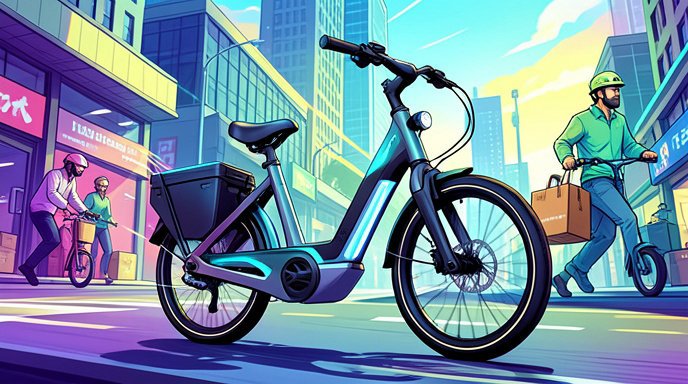
- Rivian spinoff Also is beginning to ship its first TM-B e-bikes after months of delays tied to supply-chain constraints.
- The startup is positioning itself beyond consumer micromobility, with a broader vision that includes cargo-focused, pedal-assist transport and logistics use cases.
- Its launch underscores both the promise and the difficulty of building a new hardware business in a strained component market.
Rivian’s Spinoff Enters a New Phase
Rivian’s micromobility spinoff, Also, is finally preparing to deliver its first e-bikes after a delay that pushed the debut beyond its original spring target. The company told TechCrunch that the Launch Edition of its TM-B e-bike, priced at $4,500, has begun shipping from the manufacturer to its U.S. warehouse, with deliveries expected to reach customers between next week and September.
The bike was first unveiled in October of last year, and the company initially aimed for a spring 2026 launch before shifting the timeline to July amid supply-chain pressure. In June, Also said that a rapid increase in demand for raw materials and electronic components had disrupted its manufacturing ramp-up and delayed first shipments.
Why the Delay Happened
Also has not publicly identified the specific parts that caused the setback, but it said the issue was tied to broader stress across global supply chains. The company said its engineering and production teams were working “around the clock” to reduce the impact without compromising safety or quality.
That explanation fits a familiar pattern for hardware startups: even when the product is largely finished, a shortage in one critical component can delay mass production and customer deliveries. In Also’s case, the delay appears to have been less about product design and more about the fragility of the supply chain needed to support a new vehicle platform.
Beyond E-Bikes: A Bigger Logistics Ambition
Also’s launch matters because the company is not presenting itself as just another premium e-bike maker. The startup has signaled broader ambitions in future cargo transport, including four-wheel pedal-assist cargo solutions aimed at logistics and delivery applications. That direction suggests it sees an opportunity to build vehicles that can handle more than personal commuting, especially in last-mile delivery environments like Amazon’s.
That strategic framing places Also at the intersection of micromobility, commercial delivery, and lightweight electric utility vehicles. In other words, the TM-B may be only the first step in a larger product family meant to serve both consumers and fleet operators.
Why Amazon Matters
Amazon is central to the company’s broader relevance because logistics is one of the most obvious markets for compact electric cargo vehicles. If Also can develop a stable platform that combines pedal assist, cargo capacity, and low operating costs, it could appeal to delivery networks looking for alternatives to vans in dense urban areas.
For Rivian, this also reinforces a larger corporate pattern: the company has built its brand around electric transportation, but its ambitions extend beyond traditional passenger EVs. A successful e-bike or cargo platform could give the Rivian ecosystem a smaller, more flexible entry point into last-mile mobility and urban logistics.
What the TM-B Represents
The TM-B is the first public proof point for that strategy. At $4,500, it sits at the premium end of the e-bike market, suggesting Also is targeting a product that blends performance, software integration, and design rather than simply low-cost transportation.
LA-based reporting earlier this year described the bike as a software-heavy, screen-equipped take on the category, reinforcing the idea that Also wants to differentiate through connected features as much as through hardware. The company’s planned deliveries later this year also indicate that it sees the market as ready for a more advanced e-bike platform.
What Comes Next
The key near-term question is execution. If Also can complete the TM-B rollout on time and without quality issues, it will validate the company’s ability to navigate the complexities of advanced mobility hardware. If it can then extend that platform into cargo-oriented models, it may be able to build a meaningful niche in logistics, not just recreation or commuting.
For now, the company’s first milestone is straightforward: get the Launch Edition bikes into customers’ hands and prove that the delays are behind it. The harder test will be whether Also can turn this delayed debut into a credible platform for the next generation of electric cargo transport.

Get All The Latest Updates Delivered Straight To Your Inbox For Free!