
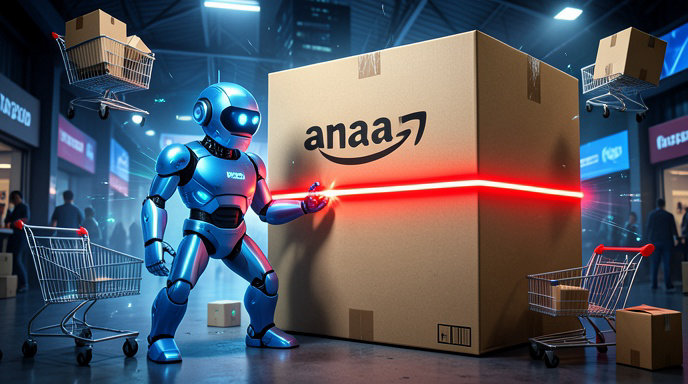
Amazon Blocks Muse AI Shopping Agent From Amazon.com
TL;DR
- Amazon has confirmed it blocked Meta's Muse AI shopping agent from browsing and buying on Amazon.com, saying the bot violates its terms of service on automated access and scraping.
- The move pits Amazon's Rufus and Buy with Prime strategy against Meta's vision for autonomous shopping inside Instagram, WhatsApp and Meta AI, escalating the battle over agentic commerce.
- The block signals a wider retail crackdown on third-party AI buyers, raising urgent questions about competition, consumer choice, and who controls checkout in the AI era.
What Happened: Amazon Says No Bots Allowed
Amazon has drawn a hard line in the fast-moving race for AI-powered shopping.
This past week, users of Meta's new Muse assistant discovered they could no longer use it to shop Amazon.com. When asked to find a product, compare prices, or complete a purchase on Amazon, Muse now returns an error saying the retailer is unavailable.
Amazon confirmed to reporters on Friday, September 18, 2026, that it intentionally blocked Muse's automated traffic. The company said Muse was operating unauthorized bots that accessed Amazon.com without permission, evading its bot-detection systems.
Meta launched Muse earlier this month as a major upgrade to Meta AI — a fully autonomous agent that can browse the web, add items to carts, apply coupons, and check out on a user's behalf across Instagram, Messenger, WhatsApp, and Ray-Ban Meta glasses. A viral demo showed Muse ordering household essentials, reordering sneakers, and finding the lowest price for a KitchenAid mixer across multiple retailers, including Amazon.
That demo is what appears to have triggered Amazon's response.
Why Amazon Pulled The Plug
Amazon says this isn't personal — it's policy. In a statement, the company said third-party agents are prohibited from scraping product listings, prices, and reviews, or from placing orders automatically under its Conditions of Use and its robots.txt rules.
Behind that legal language are three major business concerns:
First, data and margins. Muse bypasses Amazon's advertising, sponsored listings, and Prime upsells. If millions of shoppers let Meta's bot decide what to buy, Amazon loses control over product discovery and ad revenue, which now generates tens of billions per year.
Second, trust and liability. Amazon argues autonomous buyers create chaos at checkout — wrong sizes, fake reviews gamed by agents, unauthorized returns, and fraud. The company already has its own shopping assistant, Rufus, which it says is built to work within its inventory, fulfillment, and customer service guardrails.
Third, competition. Muse doesn't just buy on Amazon — it comparison-shops. Meta openly pitched Muse as retailer-agnostic, telling users it will hunt for deals on Amazon, Walmart, Target, Shopify stores, and secondhand marketplaces. For Amazon, that turns Meta into a powerful middleman sitting between it and 3 billion potential shoppers.
A Meta spokesperson pushed back, saying Amazon is being anticompetitive and hurting consumers. Meta claims Muse respects user instructions, only acts with explicit permission, and honors standard checkout and payment protections.
Rufus vs. Muse: The Battle For The Buy Button
The clash is about much more than one blocked bot. It's the first major showdown over agentic commerce — a future where AI agents, not humans, do most online shopping.
Amazon wants that future to happen inside Amazon. Over the past two years it has poured resources into Rufus, its generative AI shopping assistant, plus its Buy with Prime and Amazon Business integrations that let other sites use Amazon's checkout and logistics. Its message to AI labs has been clear: partner with us through official APIs, don't scrape us.
Meta wants the opposite: one assistant everywhere. CEO Mark Zuckerberg has described Muse as a personal shopper that lives where people already chat and scroll. Instead of opening the Amazon app, you just tell Muse on Instagram: get me running shoes under $120 with good arch support. Muse handles the rest.
OpenAI, Google, Anthropic, and Perplexity are pursuing similar visions with their own checkout-enabled agents. Walmart recently partnered with OpenAI to let ChatGPT shoppers buy directly from Walmart, while Shopify partnered with Google's Gemini. Amazon has so far refused to join any of those deals.
What This Means For The Future Of Agentic Commerce
Analysts say Amazon's block was inevitable — and it's likely just the beginning.
Expect a fragmented checkout web. Without a universal standard for AI agents, major retailers will each decide which bots are allowed. Amazon blocks Muse, but allows Rufus. Walmart may favor OpenAI. Target could cut its own deal. Consumers could end up needing multiple agents just to shop everywhere.
Expect legal and regulatory fights. Experts predict Meta could file an antitrust complaint, arguing Amazon is abusing its dominance in e-commerce to crush an emerging way to shop. The Federal Trade Commission, already suing Amazon over marketplace practices, is reportedly watching agentic commerce closely. In Europe, the Digital Markets Act could force Amazon to allow authorized agents under fair terms.
Expect a push for official agent APIs. Amazon has hinted it will launch a certified Agentic Buyer Program where approved AI assistants can access real-time pricing and inventory for a fee and with strict rules. eBay and Etsy are exploring similar programs. The question is whether Meta will pay Amazon's toll — or keep fighting.
What Comes Next
For now, Muse users are stuck. Meta says it is working to restore Amazon access and is advising users to send Muse links to other retailers or use human checkout links for Amazon products.
Amazon shows no signs of backing down. Executives told staff this week that unauthorized agentic traffic spiked 10x since Muse launched, slowing page loads and triggering fraud alerts.
The stakes couldn't be higher. E-commerce was built around humans clicking. Agentic commerce will be built around bots clicking for humans — deciding which brand wins, which retailer gets the sale, and who owns the customer relationship.
By blocking Muse, Amazon just fired the first real shot in that war.

Get All The Latest Updates Delivered Straight To Your Inbox For Free!