
Amazon's Alexa Now Detects Scams and Verifies Fake Emails and Texts for Shoppers
TL;DR
- Amazon is rolling out a new AI-powered scam-detection tool in Alexa that lets shoppers ask Alexa to verify if an email, text, or message claiming to be from Amazon is legitimate.
- The feature analyzes sender details, links, and language patterns to flag phishing attempts, impersonation scams, and fake order or delivery notifications in real time.
- Available now for Alexa app users and Alexa-enabled devices in the U.S., the tool is part of Amazon's broader push to combat AI-driven fraud and improve shopping security.
How Alexa's New Scam Detector Actually Works
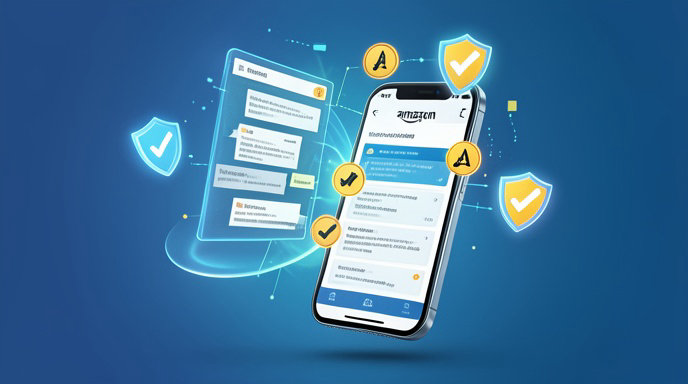
Amazon's latest Alexa update turns the voice assistant into a personal fraud filter. Instead of guessing whether that "Your Amazon order could not be delivered" text or "Urgent: Your account has been suspended" email is real, shoppers can now simply ask Alexa to check it.
Users can forward a suspicious email, paste a text message, or even read a message aloud to Alexa via the Alexa app or an Echo device. Using generative AI trained on Amazon's vast library of legitimate communications and known scam patterns, Alexa cross-references the content against verified Amazon sender addresses, domains, and formatting. Within seconds, Alexa tells you whether the message actually came from Amazon and highlights exactly what makes it suspicious.
The system looks for classic red flags that humans often miss, including spoofed email addresses that mimic @amazon.com, malicious links that redirect to fake login pages, urgent language pressuring you to act quickly, and requests for payment or personal information that Amazon would never ask for via text or email.
More Than Just a Warning
Unlike a standard spam filter that quietly moves messages to junk, Alexa explains its verdict. If a message is flagged as a scam, Alexa will break down why — for example, pointing out that the link goes to amazn-support-login.net instead of amazon.com, or that the order number doesn't match any purchase in your account.
If the message is verified as legitimate, Alexa will confirm it and can take you directly to the relevant order, delivery tracking, or account page in the Amazon app, so you never have to click a potentially dangerous link. For confirmed scams, Alexa will also offer to report the phishing attempt to Amazon's fraud team and automatically block the sender, plus give you next steps to secure your account if you already interacted with the message.
Why Amazon Is Launching This Now
The timing is no coincidence. Phishing and impersonation scams have exploded, with criminals using AI to create flawless fake emails, texts, and even voice messages that are nearly indistinguishable from real Amazon communications. According to recent industry data, Amazon is one of the most impersonated brands in the world, with millions of fake order confirmations, shipping alerts, and Prime membership renewal notices sent every month.
Traditional advice like "check the sender address" is no longer enough when scammers can spoof domains and use AI to write perfect, personalized messages. Amazon says its own AI is designed to fight back, giving shoppers an easy, conversational way to verify anything without needing to be a cybersecurity expert.
How to Use the Scam Verification Feature
Getting started is simple and does not require a new device. The feature is rolling out now to users in the United States through the Alexa app on iOS and Android, and on Echo and Echo Show devices with the latest software update.
To check an email, you can forward it to a dedicated verification address or share it directly from your phone to the Alexa app and ask, "Alexa, is this email really from Amazon?" For texts and other messages, just copy and paste the content into the Alexa app or say, "Alexa, verify this message," and then read it aloud. Alexa will respond with a clear "verified" or "scam alert" answer, along with an explanation.
The feature is free for all Alexa users and works even if you don't have an active Amazon Prime membership. Amazon says no personal data from the scanned messages is used to train its models or for advertising.
What This Means for Online Shopping Security
This move signals a bigger shift in how tech companies are using AI assistants for protection, not just convenience. By embedding scam detection directly into Alexa, Amazon is putting a security guard right where shoppers already ask about orders, deliveries, and account issues.
While the tool currently only verifies messages impersonating Amazon, the company has hinted it could expand to cover other common impersonation scams, including fake bank and delivery carrier messages. For now, it's a powerful new layer of defense in an era where a single click on a fake link can lead to identity theft or financial loss.
Experts say the real value is in its simplicity. Instead of expecting every shopper to become a fraud detective, Amazon is letting them ask a question they already want to ask: "Is this real?"

Get All The Latest Updates Delivered Straight To Your Inbox For Free!