
Google Gemini Hiking Fail Leaves Hikers Stranded Needing Rescue
TL;DR
- A group of hikers had to be rescued after following a Google Gemini-generated packing list that drastically underestimated how much food and water they needed for a strenuous, heat-exposed trek.
- Sheriff's search and rescue officials say the group ran out of supplies, became dehydrated and disoriented, and had to call for emergency help.
- Experts warn AI chatbots routinely hallucinate trail conditions and can't account for weather, elevation, fitness level, or emergency contingencies.
A Trek Planned By Chatbot
According to sheriff's officials, the hiking group turned to Google Gemini for help planning their outing instead of checking official park guides or speaking to rangers. They asked the AI assistant what to bring, how much water to carry, and how difficult the route would be.
Gemini reportedly told them the hike was moderate and manageable with minimal supplies — far less food and water than experienced hikers would normally carry for that distance and elevation gain in late-summer heat. Trusting the answer, the group set out underprepared.
Officials have not released the exact prompt used, but say the hikers showed deputies the Gemini conversation on their phone after being rescued as proof they thought they were prepared.
What Went Wrong On The Trail
What was supposed to be a day hike quickly turned dangerous. Temperatures were much higher than the group expected, the trail was steeper and more exposed than described, and there were no reliable water sources to refill along the way as the AI had implied.
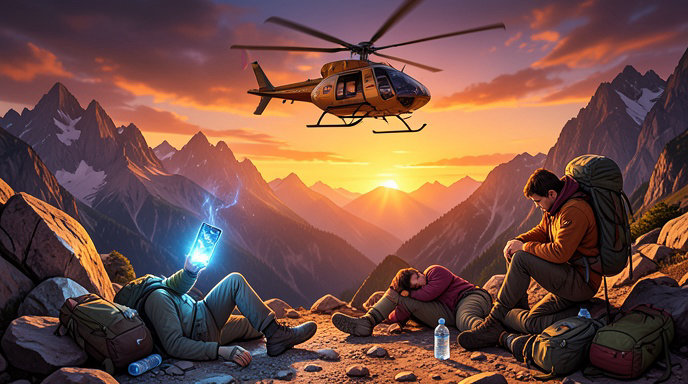
The group burned through their limited water within the first few hours. As dehydration set in, members began experiencing dizziness, cramping, and exhaustion. With no extra food for energy and no way to safely continue or turn back, they called 911 for help.
A sheriff's search and rescue team was deployed, locating the hikers by phone GPS and hiking in with extra water, electrolytes, and medical supplies. All members were escorted out safely, though at least one was treated for heat-related illness. Officials said the outcome could have been far worse if cell service had dropped or if temperatures had spiked further.
Why Gemini Got It So Wrong
This is not the first time an AI chatbot has given questionable outdoor advice, and experts say it won't be the last. Large language models like Gemini, ChatGPT, and others don't actually hike trails or check real-time conditions — they predict text based on patterns in training data.
That creates several major risks for hikers:
AI often mixes up trails with similar names, merges outdated blog posts, and underestimates difficulty. It can hallucinate water sources, shade, mileage, and elevation that don't exist. It also gives one-size-fits-all advice that ignores critical factors like your pace, pack weight, fitness, heat acclimatization, and recent weather.
In this case, Gemini appears to have suggested a baseline amount of water suitable for a short, cool walk — not a long, strenuous trek in direct sun with significant climbing. For desert and mountain hiking in summer, rangers typically recommend at least one liter per person for every two hours of hiking, plus extra emergency reserves. The AI's recommendation was reportedly a fraction of that.
Google notes that Gemini can make mistakes and should not be relied on for professional advice, including for health and safety-critical activities. But critics say those disclaimers are easy to miss when users are asking conversational, seemingly simple questions like what to pack.
Sheriff's Warning To Hikers
Sheriff's officials used the rescue as a cautionary tale, urging the public not to outsource trip planning to chatbots.
In a statement following the rescue, officials reminded hikers to always cross-check AI answers with official sources, carry more water and food than you think you need, and tell someone your exact route and return time. They also stressed the importance of carrying a paper map, headlamp, first-aid kit, and portable charger, even on day hikes.
No one sets out expecting to need rescue, one search and rescue member said. A few extra pounds of water can be the difference between an uncomfortable hike and a life-threatening emergency.
How To Safely Plan A Hike Without Relying On AI
Outdoor safety experts say AI can be useful for brainstorming ideas, but should never be your primary guide. Here's how to plan safely:
Check Official Sources First: Start with the park service, forest service, or local sheriff's trail pages for current closures, heat advisories, mileage, and elevation profiles. Apps like AllTrails and Gaia GPS are helpful, but read recent trip reports for water availability and trail conditions.
Overpack Water And Snacks: A good rule is half a liter to one liter per hour depending on heat and exertion, plus an emergency liter. Bring salty snacks, energy bars, and extra food for one unexpected night out.
Prepare For The Worst Case: Pack the classic 10 essentials — navigation, sun protection, insulation, illumination, first-aid, fire starter, repair kit, extra food, extra water, and emergency shelter. Weather can change fast, especially at elevation.
Leave AI Out Of Critical Decisions: Don't ask a chatbot how much water you need, whether a trail is safe, or what the weather is. Check a real forecast, talk to rangers, and be honest about your group's fitness level. If in doubt, turn back early.

Get All The Latest Updates Delivered Straight To Your Inbox For Free!