
Shipt Launches AI Shopping Assistant to Build Smart Grocery Carts Instantly
TL;DR
- Shipt has launched a new AI shopping assistant that builds complete grocery carts from simple conversational prompts like tailgate parties, school lunches, and weeknight dinners.
- The feature personalizes results using store availability, dietary preferences, budget, and past purchases, then lets shoppers edit and check out in one tap.
- The launch puts Shipt in direct competition with Instacart, DoorDash, and Amazon Fresh as delivery apps race to make AI-powered meal planning mainstream.
From Prompt to Cart in Seconds
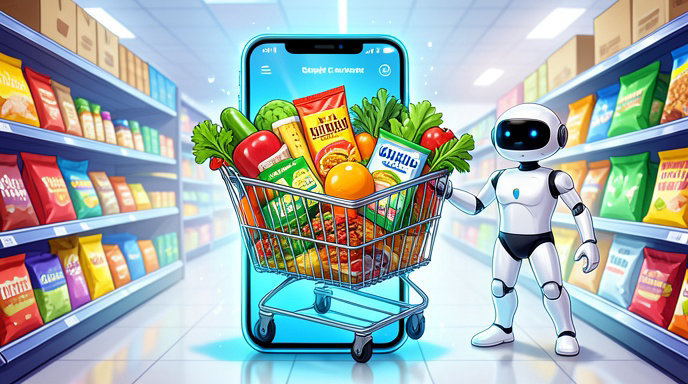
Shipt wants to end the endless scroll through grocery aisles. The Target-owned delivery company has unveiled a new AI shopping assistant that can instantly turn a conversational idea into a full, shoppable cart.
Instead of searching item by item for burgers, buns, chips, soda, and paper plates, a shopper can now type or say something like Plan a tailgate party for 10 on a budget or Build me a week of healthy school lunches my kids will actually eat. Within seconds, the assistant generates a curated cart complete with quantities, complementary items, and alternatives based on what's actually in stock at your local store.
The feature is rolling out now inside the updated Shipt app for both same-day delivery and scheduled orders from retailers including Target, Meijer, H-E-B, and other Shipt partners.
How the AI Assistant Works
At its core, the new tool is a conversational commerce engine trained on grocery data, recipes, and shopping behavior. Shipt says users can refine results just like chatting with a friend.
For example, after generating a tailgate cart, you can follow up with Make it vegetarian, Keep it under $75, or Add more snacks for kids. The assistant will adjust the cart in real time, swap products, and explain its choices.
The assistant also taps into personal context with permission. It can account for dietary restrictions like gluten-free or dairy-free, preferred brands, past purchases, loyalty rewards, and current sales and promotions. If your usual peanut butter is out of stock or on sale, it will suggest the closest match or the better deal.
Shipt says the system is built to reduce food waste and overbuying by estimating portion sizes based on headcount and meal count, a common pain point for party planning and family meal prep.
Designed for Busy Families and Real Life
Shipt is positioning the launch squarely around everyday use cases, not novelty tech demos. Early examples highlighted by the company include back-to-school lunches, game-day spreads, Taco Tuesday nights, high-protein meal prep, baby shower brunch, and last-minute dinner party fixes.
For parents, the school lunch prompt is a standout. Ask for Five days of nut-free school lunches under $60 and the AI will build a balanced mix of mains, fruits, snacks, and drinks, with options to swap for picky eaters.
For hosts, the entertaining prompts handle both food and essentials in one go, adding charcoal, ice, napkins, and condiments alongside fresh produce and meat, so shoppers don't forget the non-food items that usually require a second trip.
Shipt executives say the goal is to cut a typical 30-minute cart-building session down to under two minutes, with human shoppers still handling picking, substitution judgment, and delivery.
How It Stacks Up Against Rivals
Shipt is not alone in betting on AI for groceries. The launch intensifies an already heated race among delivery platforms.
Instacart pioneered the space with Ask Instacart and its growing suite of AI recipe-to-cart and meal planning tools, which are deeply integrated with grocers and offer nutrition-focused filters.
DoorDash has leaned into AI search and its Dash AI assistant for restaurant and grocery discovery, emphasizing speed and cross-category shopping from convenience to retail.
Amazon Fresh and Whole Foods continue to push Alexa-integrated shopping lists and predictive reordering, leveraging years of purchase history from Prime members.
Where Shipt aims to differentiate is full-cart creation in one step, rather than item-by-item chatbot search. While competitors often answer questions or suggest recipes, Shipt's assistant completes the entire basket, checks local inventory, and optimizes for price and delivery windows. Analysts say that end-to-end approach could give it an edge with busy Target shoppers who already use Shipt for weekly stock-ups.
What It Means for the Future of AI Grocery Shopping
The debut signals a larger shift from search-based shopping to intent-based shopping. Instead of thinking in SKUs and keywords, shoppers will increasingly think in occasions, cravings, and constraints, and let AI handle the logistics.
For retailers, that means product discovery will be increasingly mediated by algorithms, raising new questions about brand visibility, sponsored placements, and transparency in AI recommendations. Shipt says its recommendations prioritize relevance, in-stock availability, and value, with sponsored items clearly labeled.
For consumers, privacy and control will be key. Shipt notes that personalization is opt-in, purchase history can be toggled off, and users can review, remove, or replace any item before checkout. No order is placed without explicit confirmation.
Industry watchers expect rapid iteration from here, including voice-first shopping, automatic weekly meal plans synced to calendars, smart pantry restocking based on past consumption, and tighter integration with Target Circle deals.
If Shipt delivers on speed and accuracy, conversational cart-building could quickly go from a nice-to-have feature to the default way America shops for groceries.

Get All The Latest Updates Delivered Straight To Your Inbox For Free!