
Why Middle Schoolers Turned NPR Spotify Comments Into Their Secret Hangout
TL;DR
- NPR staffers were flooded with strange, inside-joke-filled comments on Spotify and first suspected bots, until a Gen Z colleague recognized them instantly as middle schoolers.
- Kids are using podcast comment sections as a secret group chat because Spotify is one of the few social-adjacent apps that still works on school Chromebooks and school Wi-Fi.
- NPR podcasts became the unlikely hangout largely by accident — they’re short, assigned by teachers, and have open comments — and NPR says it’s delighted to be in on the joke.
A Mystery In The Comments
For weeks this summer, producers at NPR started noticing something weird happening under their shows on Spotify.
Beneath serious episodes of Planet Money, Up First, and Throughline about inflation, elections, and history, the comment section was filling up with messages that made absolutely no sense in context.
“anyone else from period 3??”
“bro this is my spotify now”
“6-7”
“skibidi check in if u have mr. davis”
“FIRST FIRST FIRST”
The comments were piling up by the hundreds, often within hours of publishing, full of typos, all-caps, inside jokes, and shout-outs to teachers no one on staff had ever heard of. Engagement was suddenly spiking, but not in a way that looked like normal podcast growth.
Inside NPR, the first theory was obvious: bots.
Podcasters across Spotify have been dealing with spam, promo bots, and AI-generated junk since Spotify rolled out podcast comments to all listeners in 2024. Staffers wondered if they were being targeted by a new wave of spam, or if someone was gaming Spotify’s algorithm to boost shows.
It took one younger colleague to look at the screen for about five seconds and solve it.
That’s Not A Bot, That’s A 7th Grader
According to NPR staffers who shared the story internally and on social media, it was a Gen Z producer who instantly cracked the case.
That’s not bot behavior, she told them. That’s middle school behavior.
She recognized the slang, the formatting, the “who else is here from science class” energy immediately. This wasn’t spam. It was kids treating a podcast comment section exactly like a TikTok comment section — because for them, it was the only comment section they could reach.
Once staffers started replying and asking, the kids happily confirmed it. Yes, they were in 6th, 7th, and 8th grade. Yes, they knew this was an NPR news podcast. No, they didn’t really care about the episode. This was just where they hung out now.
Why Spotify? Why NPR?
The choice sounds random until you look at it through the eyes of a 12-year-old with a school-issued Chromebook in 2026.
Almost everything else is blocked. TikTok, Instagram, Snapchat, Discord, and YouTube comments are typically filtered on school Wi-Fi or banned entirely by school device policies. Phones are increasingly locked away in pouches or lockers during the day under new state laws and district rules.
But Spotify isn’t blocked. Schools consider it a music app, and teachers often use it in class. Most districts allow students to log into Spotify Free on their Chromebooks for study music or educational podcasts.
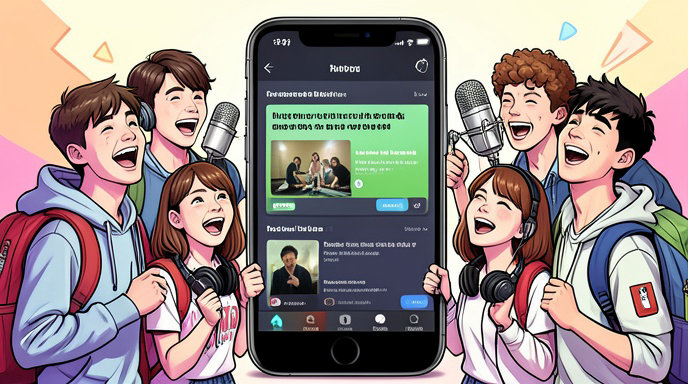
And unlike Netflix or YouTube, Spotify lets any logged-in listener leave a public comment on most podcast episodes, and reply to other comments. For kids with no group chat access during school hours, that’s basically social media.
NPR became ground zero for a few practical reasons. Its flagship daily shows are short, free, never paywalled, and constantly recommended by Spotify’s algorithm. More importantly, many middle school teachers assign NPR podcasts — especially Up First for current events, Planet Money for economics, and Short Wave for science — as homework or in-class listening.
A teacher tells 30 kids to “listen to the first 10 minutes and write down one takeaway,” and 30 kids all end up on the same Spotify page at the same time with an open comment box at the bottom. You can guess what happens next.
The School Chromebook Loophole
Tech experts say this is a classic example of what researchers call “off-label use” — when kids repurpose a boring adult tool into a playground because the tools actually built for them are off-limits.
It’s happened before with Google Docs chat, Venmo notes, and even the comments in shared classroom games like Kahoot. Now it’s podcast comments.
“It’s brilliant, honestly,” one media researcher noted after the NPR story went viral. “Spotify comments require an account, but not a phone number. They’re moderated lightly. They update in near real-time. And no parent is going to think to check Spotify to see who their kid is talking to.”
Students have developed their own etiquette. They use specific episodes as designated hangouts for specific schools or classes. They ask for likes as votes. They hold full conversations in replies. They warn each other when a teacher is watching. Some even leave timestamps like “12:34 if u r bored in study hall” to signal where to look.
Spotify, for its part, never intended podcast comments to become a Gen Alpha chat room. The feature was launched to help podcasters build community and compete with YouTube. Comments default to public, creators can moderate or turn them off, and users must be 13 or older to have an account — a rule that is clearly being stretched in practice.
What NPR Did Next
Instead of shutting it down, NPR leaned in.
Producers started pinning friendly comments, replying with jokes, and explaining what the show was actually about without scolding the kids. One Planet Money producer replied to a thread of “school lunch” reviews with an explainer on the economics of school lunch. Up First hosts gave a morning shout-out to “our middle school audience who is definitely supposed to be doing math right now.”
The approach worked. Many of the kids stayed, started asking real questions about the news, and even defended their new hangout from actual spam bots.
NPR says it now sees the flood as both hilarious and hopeful: a generation that supposedly never listens to news is accidentally discovering podcasts because they needed somewhere to whisper during class.
Spotify hasn’t announced any changes to age-gating or school filtering as a result, but creators now have a new playbook for what a sudden spike in nonsense comments might actually mean.
It’s not always bots. Sometimes, it’s just homeroom.

Get All The Latest Updates Delivered Straight To Your Inbox For Free!