
Zoox Halts Atlanta Robotaxi Fleet After Toxic Gas Exposure Reports Spark OSHA Probe
TL;DR
- Zoox has temporarily grounded its Atlanta test fleet after multiple depot workers reported headaches, nausea, and dizziness consistent with toxic gas exposure.
- An OSHA complaint filed in mid-September 2026 triggered both a federal workplace safety review and an internal Zoox investigation into vehicle emissions, battery systems, and depot ventilation.
- The pause threatens to slow Zoox's Southeast expansion and puts renewed pressure on Amazon's autonomous vehicle push as regulators scrutinize worker safety alongside road safety.
What Happened in Atlanta
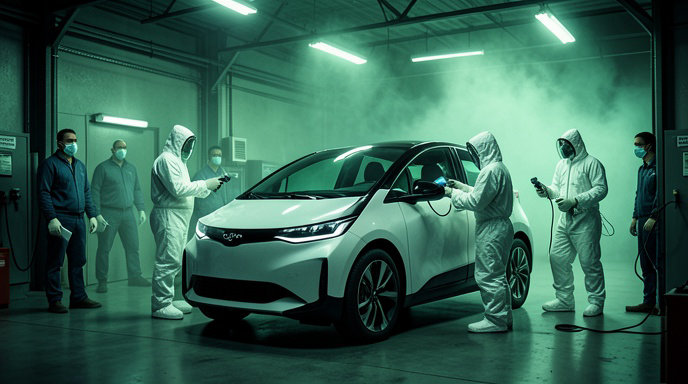
Zoox confirmed this week it has halted all driverless and supervised test operations in the Atlanta metro area after workers at its local staging and charging depot reported feeling ill during shifts.
According to early accounts from employees and local reports, at least a half-dozen technicians and vehicle attendants experienced headaches, eye and throat irritation, nausea, and lightheadedness over a period of several days in early to mid-September. Several sought medical evaluation, and supervisors eventually evacuated and ventilated the indoor facility where Zoox stores, charges, and services its purpose-built robotaxis.
The company says no members of the public were affected and no vehicles were carrying passengers at the time of the reported exposures. All Atlanta vehicles have now been parked pending inspection.
A Fleet Grounded Indefinitely
The Atlanta fleet, part of Zoox's broader push beyond its launch markets in Las Vegas and San Francisco, had been conducting mapping, supervised testing, and early rider-only trials in select neighborhoods.
Zoox said the grounding is precautionary and indefinite. In a statement, the company said the safety of its team members and the public is its top priority, and that it proactively paused operations to investigate the source of the reported symptoms.
The move marks one of the first times a major U.S. robotaxi developer has suspended an entire city fleet over a workplace chemical exposure concern rather than a road crash or software issue.
Inside the OSHA Complaint
At the center of the shutdown is a complaint filed with the Occupational Safety and Health Administration.
Workers allege inadequate ventilation in an enclosed maintenance area combined with possible buildup of fumes from vehicles and cleaning materials. Federal records describe concerns about toxic gas exposure, though the exact substance has not been officially confirmed.
Sources familiar with the complaint point to three leading theories investigators are examining: carbon monoxide or exhaust accumulation from support vehicles and generators, off-gassing from high-voltage battery packs or thermal management systems, and chemical vapors from solvents and detailing agents used in close quarters.
OSHA has not yet issued citations or confirmed violations. The agency typically does not comment on open complaints, but such filings can lead to on-site inspections, air-quality sampling, and reviews of employer safety logs and illness reports.
What Zoox and Regulators Are Investigating
Zoox says it has launched an internal safety investigation led by its workplace safety and engineering teams, with support from outside industrial hygiene specialists.
The review is expected to cover air monitoring data from the Atlanta depot, maintenance records for the affected vehicles, battery health and coolant system logs, and the handling and storage of cleaning chemicals. The company is also auditing ventilation, carbon monoxide detectors, and alarm protocols at the site.
On the regulatory side, OSHA investigators can request medical records, interview workers, and conduct unannounced walkarounds. Georgia state and local fire and environmental officials could also become involved if hazardous materials are suspected.
Safety advocates say the key question is whether this was an isolated facility issue or a systemic risk tied to operating dense fleets of electric robotaxis in enclosed depots.
Amazon's Robotaxi Ambitions Under Pressure
The timing is awkward for Amazon, which acquired Zoox in 2020 for more than $1 billion and has positioned it as a long-term bet on autonomous mobility and logistics.
After years of development, Zoox has been racing Alphabet's Waymo, General Motors-backed Cruise, and Tesla to scale commercial robotaxi service. In the past year it expanded testing to Austin, Miami, Seattle, and Atlanta, opened new depots, and increased production of its boxy, steering-wheel-free shuttle at its California plant.
An extended halt in Atlanta could delay mapping validation, rider feedback, and plans for a commercial launch in the Southeast — a region seen as critical for proving robotaxis can operate in heat, humidity, summer storms, and car-centric sprawl.
More importantly, the incident shifts scrutiny from how Zoox vehicles perform on roads to how the company protects technicians, cleaners, chargers, and first responders behind the scenes.
Worker Safety in the Spotlight
Autonomous vehicle companies employ large support workforces that often receive less attention than software and sensors. Depot staff work in close proximity to high-voltage systems, lidar calibration tools, adhesives, coolants, and fleets charging overnight in enclosed spaces.
Labor experts say the Atlanta reports underscore the need for continuous gas monitoring, robust ventilation standards, and clear stop-work authority when workers feel ill — similar to protocols in auto manufacturing and warehouses.
Zoox says it has offered medical support to affected employees, re-briefed Atlanta staff on reporting symptoms, and is extending air-quality checks to other sites as a precaution. The company has not reported similar illnesses elsewhere.
What Happens Next
For now, Atlanta residents will see fewer Zoox shuttles on test routes. The company has not provided a timeline for resuming operations, saying it will only restart after it identifies the cause and regulators are satisfied corrective actions are in place.
Key milestones to watch include whether OSHA opens a formal inspection, whether Zoox publishes findings from its air-quality testing, and whether any vehicle hardware or depot procedures are changed fleet-wide.
If the investigation points to a facility-level ventilation failure, Zoox could likely remediate quickly and resume testing. If it points to battery or thermal system emissions, the implications could be broader — potentially triggering engineering reviews, supplier audits, or additional oversight from traffic safety regulators.
Either way, the Atlanta pause is a reminder that winning the robotaxi race will require more than mastering driverless navigation.

Get All The Latest Updates Delivered Straight To Your Inbox For Free!