
Airbnb Chore Limit Sparks Host Backlash and Platform Exit Threats
TL;DR
- Airbnb now explicitly bans hosts from requiring guests to strip beds, do laundry, vacuum, mop, or perform other time-consuming checkout chores, limiting checkout tasks to turning off lights, locking up, and reporting damage.
- Hosts say the rule strips away their ability to keep cleaning costs down and are threatening to raise cleaning fees or leave for Vrbo and direct-booking sites in protest.
- The fight highlights a broader power struggle over fees, expectations, and consistency that will shape the future of vacation rentals as Airbnb pushes for hotel-like simplicity.
Why Airbnb Finally Said Enough to Checkout Chores
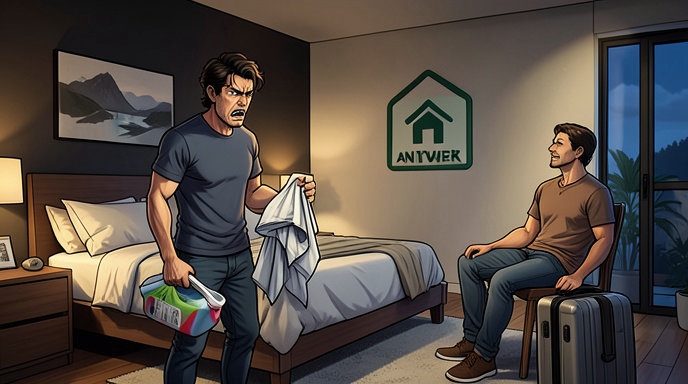
Airbnb has spent years fighting the same complaint in reviews, social media posts, and viral TikToks: guests paying a $150 cleaning fee and then being handed a 20-item chore list. This fall, the company decided to codify what was previously just guidance into enforceable policy.
Under the updated ground rules for hosts, checkout instructions must be reasonable and disclosed before booking. Guests can be asked to turn off lights and appliances, lock doors and windows, throw trash in provided bins, and report missing or damaged items. What they cannot be required to do is strip beds and remake them, start or finish laundry loads, fold linens, vacuum, mop, scrub bathrooms, wash dishes by hand beyond loading a dishwasher, or clean outdoor spaces like patios and grills.
Airbnb leadership framed it as a trust and value issue. The company has been on a multi-year push to improve price transparency with total-price display, crack down on excessive cleaning fees, and make stays feel as frictionless as hotels. Internal data has repeatedly shown that excessive chores are one of the top drivers of negative ratings and repeat-booking loss, especially among younger travelers who compare a vacation rental not to owning a home, but to checking out of a Hyatt.
If a host violates the rule, guests can now report it directly in the app, and Airbnb says repeat offenders risk having their checkout instructions removed, losing Superhost status, or facing listing suspension in extreme cases.
Why Hosts Feel Betrayed
For many hosts, especially independent operators with one to three properties, the announcement landed like a pay cut disguised as hospitality.
Professional cleaners often charge $180 to $300 per turnover in major U.S. markets, and hosts say asking guests to strip beds, start towels, and take out trash saves 30 to 60 minutes of billable cleaning time. Without that help, they argue, they have only two bad options: absorb the higher cost or raise the cleaning fee they are already being pressured to lower.
Host forums, Facebook groups, and Reddit threads exploded within hours of the policy update. Common refrains were that Airbnb is siding with entitled guests, that the company does not understand rural or large-home turnovers where same-day flips are brutal, and that stripping a bed is basic courtesy, not labor. Some Superhosts with hundreds of five-star reviews said they feel punished for problems created by property-management companies charging $250 fees while still demanding mopping.
More pointedly, hosts say enforcement is one-sided. If a guest leaves stained sheets, an overflowing trash can, or a sink full of dishes, the host still has to prove damage to get extra payment through AirCover. The chore limit, they argue, removes their only low-cost insurance policy.
The Platform Exit Threats Are Real This Time
Threats to leave Airbnb are nothing new, but this time the rhetoric is paired with action.
Several prominent host coaches and vacation-rental managers are publicly advising clients to diversify immediately: relist top properties on Vrbo, which has leaned into appealing to hosts frustrated with Airbnb, push direct bookings via Houfy, Lodgify, and personal websites, and shift long-vacancy calendars to Furnished Finder or mid-term rentals for traveling nurses and remote workers.
Others say they will stay but retaliate quietly by raising nightly rates $15 to $25 to bake in full-service cleaning, adding strict damage deposits where allowed, installing checkout photo requirements, or switching to no-early-check-in policies to give cleaners more time.
Industry analysts note Airbnb can afford some churn. The platform has more than 8 million active listings and an oversupply problem in many leisure markets since the post-pandemic hosting boom. Losing a few thousand frustrated hosts matters less than winning back millions of guests who abandoned the platform over fee fatigue and chore resentment. Still, if experienced Superhosts leave, quality and supply in key family-travel segments could suffer.
What Guests Actually Have to Do Now
For travelers, the new rule is simple in theory. If your checkout instructions ask you to do laundry, strip every bed, vacuum the entire house, or deep-clean the kitchen, you are allowed to ignore the excessive parts and still leave a fair review without fear of retaliation. Airbnb says guests should leave the property in generally tidy condition, lock up, and communicate issues.
Travel etiquette experts still recommend doing the basics: gather your trash, load the dishwasher and start it, pile used towels in the tub, turn off the AC or heat if asked, and send a quick checkout message. None of that is banned, and doing it remains the fastest way to get a good guest rating.
The key change is disclosure. Any legitimate checkout request must now be shown on the listing page before you book, not sprung on you in a laminated binder on the kitchen counter. If it appears only after arrival, you can report it.
What This Means for the Future of Vacation Rentals
The chore war is really a proxy war for what Airbnb wants to be next: less quirky spare-bedroom marketplace, more global hospitality standard.
Expect three shifts. First, cleaning fees will get rebundled. As chore labor shifts back to hosts, many will kill separate $120 line items and raise nightly prices instead to look cleaner in search rankings under total-price display.
Second, professionalization will accelerate. Solo hosts who did their own turnovers will increasingly outsource to local co-host networks and automation tools for scheduling, smart locks, and noise monitoring, widening the gap between hobbyists and full-time operators.
Third, policy enforcement will become the new battleground. Just like party bans and hidden-camera bans, the success of the chore limit depends on consistent enforcement. If guests see no consequences for chore-heavy listings, trust erodes. If hosts see arbitrary penalties, resentment grows.
For now, both sides are testing boundaries. Guests are posting screenshots of outrageous chore lists daring Airbnb to act. Hosts are posting screenshots of trashed living rooms daring Airbnb to pay up. How Airbnb adjudicates those first high-profile disputes will define whether the chore limit becomes a true industry standard or just another rule everyone learns to work around.

Get All The Latest Updates Delivered Straight To Your Inbox For Free!