
Archive of Our Own Could Be Offline for Up to Four Weeks, Sparking Fan Panic
TL;DR
- Archive of Our Own users are reacting to a warning that a planned infrastructure disruption could leave the fan-fiction platform unavailable for as long as four weeks.
- A prolonged outage would affect reading, posting, bookmarking, commenting, and access to years of community-created work, even if the archive’s data remains safe.
- The unusually rapid social-media response highlights AO3’s role as a cultural archive and a daily gathering place for online fandoms.
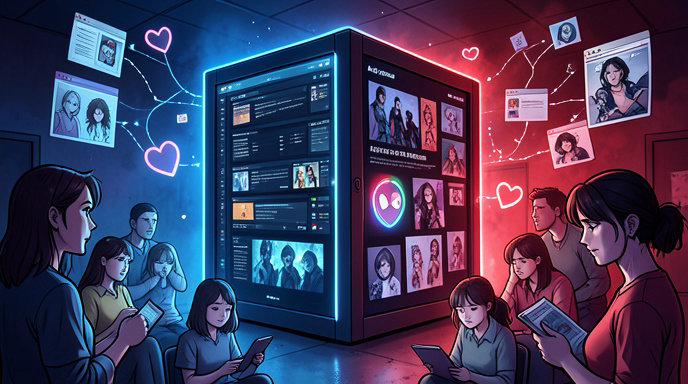
A warning about a possible extended Archive of Our Own outage has triggered an immediate response from fans across social media. The notice has raised the prospect of AO3 being inaccessible for as long as four weeks, a disruption that would be far more significant than the short outages and maintenance windows users are accustomed to.
For millions of readers and writers, AO3 is not simply a website. It is a searchable library, a publishing platform, a social space, and a long-term archive for fan-created work. News that the service could disappear temporarily therefore prompted an unusually emotional reaction, with users quickly sharing screenshots, contingency plans, download advice, and reassurances about the archive’s future.
Why the potential outage matters
AO3 supports a large ecosystem of fan-fiction communities built around constant access. Readers use the site to discover stories, follow authors, leave comments, maintain bookmarks, and return to works that may have been part of their lives for years. Writers rely on it to publish new chapters, preserve completed works, and communicate with their audiences.
A disruption lasting several weeks would interrupt all of those activities at once. Users might be unable to upload chapters, respond to comments, retrieve reading lists, or access works they have not saved elsewhere. Communities that organize around particular fandoms could also lose a central place for recommendations and discussion.
The potential outage does not necessarily mean that stories would be lost. A service interruption generally affects availability rather than permanently erasing stored material. However, the distinction offers limited comfort to users who depend on AO3 as their primary or only place to read and preserve fan works.
What the warning says
The widely shared update describes a possible service disruption that could last up to four weeks. The extended timeline appears to be connected to major technical or infrastructure work rather than an ordinary maintenance period.
Large-scale changes to hosting, storage, networking, or other backend systems can require extended downtime, particularly for a nonprofit service operating a massive archive with complex search, tagging, account, and media-related functions. Moving or rebuilding infrastructure also creates the need for testing, data verification, security checks, and a carefully managed return to service.
The “up to” wording is important. It represents a maximum estimate, not necessarily a prediction that AO3 will remain offline for the entire period. The site could return sooner, or the schedule could change if technical problems emerge during the work.
Fans react almost immediately
The response on social media was swift because AO3 users are accustomed to treating the archive as a dependable constant. Even brief interruptions can produce a wave of status checks and speculation. A warning measured in weeks naturally created a much larger reaction.
Fans circulated the announcement, discussed ways to prepare, and urged one another not to panic. Some users recommended downloading favorite works through AO3’s available export options or saving personal reading lists. Others focused on supporting authors, reminding readers that writers may not be able to post updates or respond to messages during the disruption.
The conversation also demonstrated how quickly fandom communities can mobilize around a shared platform. Users who may have no connection beyond a fandom, pairing, or favorite author were suddenly discussing the same practical problem and attempting to distribute information across multiple networks.
A cultural archive, not just a website
AO3’s importance comes partly from its structure. It was created as a nonprofit, fan-centered archive designed to preserve transformative works and protect fan communities from the commercial and policy pressures that affect mainstream platforms.
That mission has made the site an important alternative to services where fan works can be removed because of advertising rules, copyright complaints, content restrictions, algorithmic changes, or business decisions. AO3’s tagging and filtering systems also allow users to navigate an enormous collection according to their interests and boundaries.
A weeks-long outage would therefore be felt as the temporary loss of a cultural institution. The archive contains works spanning generations of fandom, including stories that may no longer exist anywhere else. For many users, AO3 is part of the historical record of online fan culture.
The practical consequences for readers and writers
Readers who have not saved favorite works could lose access to them temporarily. Even users with downloaded files may find that they cannot access comments, author profiles, bookmarks, subscriptions, or updated versions of stories.
Writers could face a different set of problems. A long interruption may delay scheduled updates, disrupt serial fiction, and make it harder to tell readers when a new chapter is available. Authors who use AO3 as their main publishing outlet may need to rely on personal websites, social-media accounts, newsletters, or other archives to communicate.
The outage could also expose how dependent online communities are on a single service. While AO3’s nonprofit model and preservation goals distinguish it from many commercial platforms, its central role means that a technical problem can affect a broad range of fandoms simultaneously.
What users can do before any disruption
Users should rely on official announcements for timing and instructions rather than treating screenshots or viral posts as definitive. If the site remains accessible before maintenance begins, readers may wish to download works they have permission to keep for personal use, record important author names, and save links or notes for stories they want to revisit.
Writers can use other channels to tell readers where updates will appear during the outage. Maintaining a backup of drafts and keeping contact information current can also reduce confusion if the service becomes unavailable.
At the same time, users should avoid overwhelming AO3’s servers by repeatedly refreshing status pages or attempting unnecessary downloads at scale. A sudden rush of traffic can make a difficult maintenance window harder to manage.
Why the reaction became a news story
The attention surrounding the warning reflects more than anxiety about a favorite site being unavailable. It illustrates how deeply AO3 is embedded in the routines of internet fandom.
The platform is used for private reading, public publishing, community discovery, and long-term preservation. Its users include casual readers, prolific authors, fan archivists, and people who regard the archive as one of the few stable parts of an otherwise shifting online landscape.
That combination helps explain why a technical notice became a major social-media event. Users were not reacting only to downtime. They were reacting to the possibility of losing access to a shared cultural space, even temporarily.
The road ahead
The final length of any disruption will depend on the technical work involved and whether testing identifies additional problems. A four-week estimate should be treated as a worst-case window unless the organization provides a more precise schedule.
For now, the most important distinction is between temporary unavailability and permanent data loss. The warning points to a potentially lengthy interruption, not necessarily the disappearance of AO3 or its archive. Still, the scale of the reaction shows that even a temporary absence would have a noticeable effect on online fandom.
If the work proceeds as planned, the outage could ultimately strengthen AO3’s infrastructure and improve its ability to serve future generations of users. Until then, fans are left preparing for an unusual possibility: a world in which one of the internet’s largest and most enduring fan communities goes quiet for weeks.

Get All The Latest Updates Delivered Straight To Your Inbox For Free!