
California Governor Vetoes Bill Banning Secret Recording With Smart Glasses
TL;DR
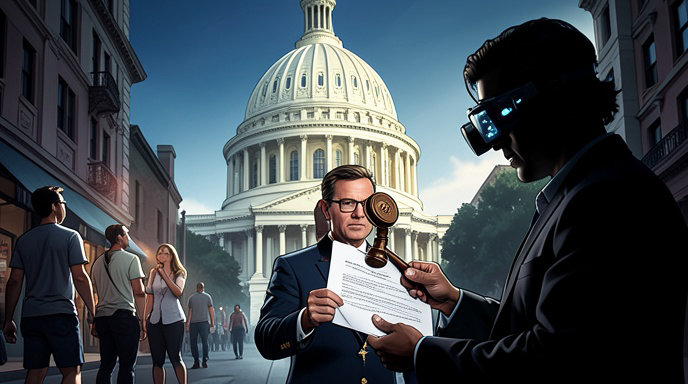
- California Gov. Gavin Newsom vetoed a bill on Sept. 30 that would have created new criminal penalties for secretly recording people with camera-equipped smart glasses and other wearables.
- In his veto message, Newsom argued the bill was overly broad, duplicative of existing voyeurism laws, and raised First Amendment concerns for journalists and legitimate users.
- The decision intensifies the national debate over Meta Ray-Bans and other AI smart glasses, as privacy advocates warn current laws can't keep up with discreet, always-on recording.
What The So-Called Pervert Glasses Bill Would Have Done
The legislation, passed by the California Legislature in early September, targeted the surreptitious use of wearable electronics with concealed cameras.
Specifically, it would have made it a misdemeanor to use smart glasses or similar head-worn devices to secretly photograph or video-record another person without consent in places where there is a reasonable expectation of privacy, as well as to record intimate body parts in public for sexual gratification.
Supporters nicknamed it the crackdown on pervert glasses, a direct reference to the new generation of stylish, nearly indistinguishable smart glasses like the Meta Ray-Ban Display, Snap Spectacles, and Oakley Meta HSTN. Unlike holding up a phone, these devices can record photos, video, and livestreams with a tap on the temple or a voice command, with only a tiny LED light as an indicator.
Backers said existing California invasion-of-privacy law, Penal Code 647(j), was written for hidden bathroom cameras and upskirting with phones, not for a stranger wearing 50-megapixel cameras on their face on the subway, in a locker room, or at a bar.
Why Newsom Said No
In a veto letter issued Tuesday ahead of the Sept. 30 signing deadline, Newsom said he shared the goal of protecting Californians from voyeurism and harassment, but could not sign the bill as written.
The governor called the bill well-intentioned but problematic for three main reasons:
First, redundancy. Newsom argued California already criminalizes disorderly conduct, voyeurism, and nonconsensual recording of intimate images, and that creating a device-specific crime would create confusion for prosecutors and courts.
Second, overbreadth. The veto message warned the language around secretly recording in public was vague and could inadvertently criminalize legitimate activity by journalists, documentary filmmakers, disability advocates using assistive wearables, and even tourists wearing smart glasses.
Third, free speech and innovation. Newsom echoed concerns from tech groups and the California Chamber of Commerce that singling out one form factor — glasses — instead of focusing on the harmful behavior itself would chill innovation and face immediate First Amendment challenges.
"I am returning Assembly Bill [pervert glasses measure] without my signature," Newsom wrote. "While I appreciate the author's intent to address privacy violations enabled by emerging technology, this bill's broad prohibitions risk unintended consequences."
Reaction: Privacy Advocates Furious, Tech Industry Relieved
The veto drew an immediate split reaction.
Privacy groups, women's safety organizations, and several Democratic lawmakers who backed the bill said Newsom sided with Big Tech over the public. They pointed to viral TikTok and YouTube videos where creators use Ray-Bans to secretly film strangers in gyms, on college campuses, and in bars, often zooming in on women without their knowledge.
"This was common-sense protection for the AI glasses era," one supporter said after the veto. "The governor just told every Californian that your expectation of privacy ends the second someone puts on a pair of smart glasses."
The tech industry and free-expression groups applauded the move. The Consumer Technology Association and Meta had lobbied against the bill, arguing that all of its devices already include a visible recording indicator light and that misuse should be punished, not the technology itself. The ACLU of California had also raised concerns that the bill could punish homeless outreach workers, cop-watch activists, and journalists using discreet wearables for accountability reporting.
Meta said in a statement that it supports strong voyeurism laws but that device-specific bans are unworkable when cameras are now in phones, doorbells, watches, pins, and glasses.
The Bigger Problem: Smart Glasses Are Going Mainstream
The veto lands as camera-equipped wearables are exploding from niche gadget to mainstream product.
Meta alone has sold millions of Ray-Ban Meta glasses, and its new $799 Ray-Ban Display with a built-in heads-up screen and AI assistant launched this fall to long lines. Google is preparing to re-enter the market with Android XR glasses, while Apple, Amazon, and Snap are all racing toward lighter, more discreet designs with longer battery life and live AI transcription.
Privacy researchers warn the threat is no longer just secret video. Paired with facial recognition workarounds and multimodal AI, a stranger can now identify you, look up your social profiles, and transcribe your conversation in real time — all without pulling out a phone.
Universities, bars, movie theaters, and gyms across California have already started posting no smart glasses signs, but enforcement is nearly impossible because the latest models look exactly like regular prescription glasses.
Critics say the tiny white LED that turns on during recording is easy to cover with tape or miss in daylight, making consent effectively meaningless in crowded public spaces.
What This Means For The Future Of Public Surveillance Laws
Newsom's veto does not end the fight — it resets it.
The governor signaled he would support a narrower bill next session focused on behavior, not devices, such as strengthening penalties for recording in locker rooms, restrooms, changing rooms, and for sexual gratification, regardless of whether the camera is in glasses, a phone, or a button.
Lawmakers who authored the measure vowed to reintroduce a revised version in January 2027, potentially with clearer exemptions for journalism, law enforcement bodycams, and assistive technology for the blind and low-vision community.
In the meantime, California — often the state that sets the national standard for privacy with laws like the CCPA — will be left without a smart-glasses-specific statute, just as the 2026 holiday shopping season is expected to put millions more AI wearables on faces.
Legal experts say expect three things next: more lawsuits testing whether existing voyeurism laws apply to wearables, more private bans by businesses, and more pressure on Congress to pass a federal standard for recording indicators, AI facial recognition limits, and public-space privacy.
For now, in California, it's still legal to wear camera glasses in public. What's illegal is what you do with them — a distinction Newsom says must remain clear, but privacy advocates say is already dangerously blurry.

Get All The Latest Updates Delivered Straight To Your Inbox For Free!