
Instagram Expands to 90-Minute Videos in Bold Challenge to YouTube
TL;DR
- Instagram is reportedly exploring videos as long as 90 minutes, a significant expansion beyond the platform’s short-form identity.
- Longer uploads could give creators more room for podcasts, interviews, tutorials and documentaries while increasing competition with YouTube.
- The move would also raise questions about discovery, moderation, monetization, storage costs and whether Instagram can preserve its fast-scrolling appeal.
A platform built around quick visual updates may be preparing to make room for much longer videos.
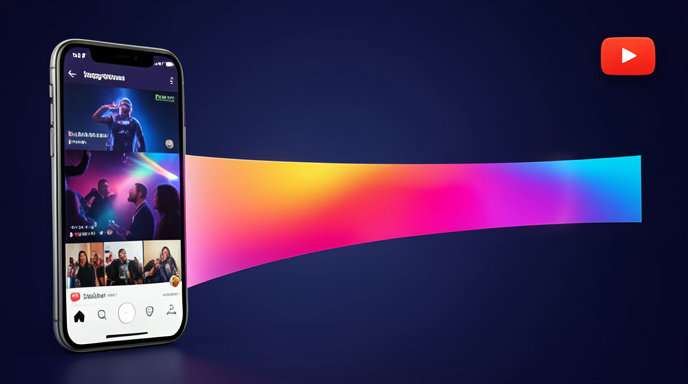
Instagram is reportedly considering allowing, or giving greater prominence to, videos lasting up to 90 minutes. The change has not been presented as a complete transformation of Instagram into a YouTube replacement, and details about its rollout, eligibility and ranking system remain unclear. Still, the reported direction would represent one of the company’s clearest attempts to broaden Instagram beyond short-form entertainment.
For years, Instagram has centered its growth strategy on Reels, the short-video format introduced to compete with TikTok. A 90-minute limit would not eliminate Reels, but it could create a more expansive video ecosystem inside the app—one that accommodates everything from short clips and livestream highlights to full interviews, lessons and creator-led shows.
A Major Departure From Instagram’s Short-Form Identity
Instagram’s current video experience is dominated by Reels and Stories. Reels are designed for rapid discovery, while Stories generally disappear after 24 hours. Both formats encourage frequent posting and short attention cycles.
Longer videos would introduce a different kind of content. Creators could publish complete conversations instead of edited excerpts, full tutorials rather than condensed tips, and longer reviews, travel features or behind-the-scenes productions without dividing them into multiple posts.
The reported 90-minute ceiling would also be notable because Instagram has previously moved in the opposite direction. The company discontinued its standalone IGTV app and gradually folded longer video into Instagram’s broader video strategy. That history suggests the focus may not be on reviving a separate long-form destination, but on making longer uploads part of the main Instagram experience.
The exact format remains important. A 90-minute upload could appear in the feed, on a creator’s profile, in a dedicated video area or through a recommendation system separate from Reels. Those decisions would determine whether the feature becomes a genuine YouTube competitor or simply an additional publishing option for established creators.
What It Could Mean for Creators
For creators, longer videos could remove one of the biggest constraints of short-form publishing: the need to compress an idea into a few seconds or minutes.
Potential use cases include:
- Video podcasts and interviews
- Educational courses and explainers
- Product demonstrations and reviews
- Fitness classes and guided workouts
- Travel and food programs
- Gaming commentary and livestream replays
- Music performances and behind-the-scenes content
- Documentary-style storytelling
Creators who already maintain audiences across Instagram and YouTube could benefit from having another distribution channel. They might publish a full episode on Instagram, use Reels to promote key moments and direct followers to related posts, products or subscription offerings.
The change could also help creators who have built their brands primarily on Instagram but have avoided YouTube because of the additional production and community-management demands. If Instagram makes longer videos easy to upload, discover and monetize, some of those creators could remain inside Meta’s ecosystem rather than expanding elsewhere.
However, producing long-form video requires more than a longer upload limit. Creators need editing tools, thumbnail controls, chapters, reliable analytics, audience retention data and monetization that rewards watch time. Without those features, a 90-minute limit may be technically impressive but commercially less useful.
Instagram would also need to clarify whether longer videos receive the same recommendation opportunities as Reels. If the algorithm continues to heavily favor short clips, creators may be reluctant to invest in longer productions that are difficult to discover.
A Direct Challenge to YouTube—But Not a Replacement Yet
YouTube remains the leading destination for long-form online video, supported by years of investment in search, subscriptions, recommendations, livestreaming, creator analytics and advertising.
A longer Instagram video limit would therefore be less a direct replacement for YouTube than an attempt to compete for more stages of the creator workflow. Instagram already has advantages in social discovery, personal identity, messaging and brand partnerships. A creator could use Instagram to reach followers quickly, build a personal brand and sell products while using YouTube for searchable, evergreen video libraries.
The competitive pressure could nevertheless be meaningful. Instagram is one of the few platforms capable of combining short-form recommendations, private messaging, social connections and longer content within a single app. That combination could encourage users to spend more time on Instagram instead of switching between platforms for different kinds of video.
YouTube, meanwhile, has been moving in the other direction by investing heavily in Shorts. Its strategy is to use short-form video to attract viewers and creators while keeping long-form video at the center of the platform. Instagram’s reported expansion would create a mirror-image competitive dynamic: a short-form-first network adding longer programming to keep users from leaving.
The result may be less about one platform replacing another and more about both companies competing across the entire range of video formats.
The Audience Experience Could Become More Complicated
Longer videos may appeal to audiences who want depth, but they could also make Instagram feel less focused.
One of Instagram’s strengths is its low-friction browsing experience. Users can open the app and immediately begin scrolling through a stream of photos, short videos and updates. Long-form programming introduces different viewing expectations. Someone watching a 60-minute interview may want a stable viewing page, playback controls, captions, background play or the ability to resume later.
Instagram would need to balance those needs with the casual nature of its existing feed. A long video appearing unexpectedly between short clips could create a poor experience, especially if users do not know how much time the content requires.
Discovery will be another challenge. Instagram’s recommendation systems are optimized around signals such as quick engagement, rewatches, shares and completion rates. Those metrics work differently for a 30-second clip and a 90-minute program. A viewer may watch only a portion of a long video and still find it valuable, while another may skip through sections without indicating dissatisfaction.
The platform may eventually need separate controls for short and long video, including clearer duration labels, chapters, playlists and “continue watching” features.
Monetization Will Be Central to the Strategy
The viability of longer video will depend heavily on how creators make money from it.
Short-form video has traditionally offered limited revenue per view compared with longer programming, although monetization models vary across platforms and regions. Longer videos create more opportunities for advertising, sponsorships, subscriptions and commerce. They also carry higher production costs.
Instagram could insert advertisements into longer videos, offer improved revenue-sharing arrangements or provide tools for sponsored segments and paid content. Meta may also see value in keeping viewers inside Instagram while they watch content that might otherwise be hosted on YouTube.
But monetization brings trade-offs. Too many advertisements could make the experience feel like traditional television, while too few could leave creators without a reason to produce expensive long-form work. Instagram would also need to address copyright claims, music licensing and rights management, particularly for podcasts, sports clips and entertainment content.
The platform’s relationship with creators will be closely watched. A successful long-form strategy requires predictable distribution and transparent payment systems. If creators believe that only the largest accounts can gain visibility, the feature may fail to generate a broad supply of original programming.
Moderation and Infrastructure Become Bigger Problems
Longer videos are more expensive to store, process and moderate than short clips. A 90-minute upload creates substantially more opportunities for copyright infringement, misinformation, harassment and other policy violations.
Automated systems can scan video and audio, but longer content increases the amount of material that must be analyzed. Instagram may need stronger transcription, captioning, copyright detection and safety tools before opening the format widely.
The company could also impose restrictions at launch. Longer uploads might be limited to verified accounts, professional profiles or creators that meet certain requirements. Instagram could introduce file-size limits, upload caps or separate rules for videos eligible for recommendations.
These safeguards would reduce operational risks but could also make the feature less attractive to smaller creators.
A Broader Shift in Social Video
The reported expansion reflects a larger change across the social video industry. Platforms that once treated short-form video as the future are increasingly trying to support every length and format.
TikTok has expanded video limits over time and experimented with longer content. YouTube has made Shorts a central part of its strategy while continuing to prioritize full-length programming. Facebook supports short clips, livestreams and longer videos, and streaming services increasingly use social features to promote shows and films.
The dividing line between “social media,” “creator platforms” and “video services” is becoming less distinct. Users may discover a creator through a short clip, watch a longer episode, discuss it in comments, share highlights through messaging and purchase a product without leaving the same app.
That convergence benefits platforms because it increases time spent, advertising inventory and control over the user relationship. It also intensifies competition for creators, who must decide where to publish, how to repurpose content and which platform offers the most dependable audience and income.
What Instagram Must Get Right
A longer video limit alone will not turn Instagram into YouTube. To make the strategy work, Instagram would likely need to build a more complete long-form experience around the upload feature.
That could include:
- Better video search and topic discovery
- Playlists and serialized programming
- Chapters and time-stamped navigation
- More detailed audience-retention analytics
- Improved thumbnail and title controls
- Stronger creator monetization
- Reliable captioning and translation
- Seamless support for vertical and horizontal video
- Tools for clipping long videos into Reels
- A clear separation between short-form and long-form recommendations
Instagram must also avoid undermining the features that made it successful. The platform’s value comes from its social graph and visual identity, not simply from hosting video files. A long-form strategy should add depth without turning every user’s feed into an undifferentiated stream of media.
The Bigger Question: Can Instagram Support Depth Without Losing Speed?
Instagram’s move toward longer video would signal that the short-form era has matured. Short clips remain powerful for discovery, but creators and audiences also want depth, context and more sustainable formats.
The reported 90-minute option could give Instagram a way to capture more of a creator’s output while keeping users within Meta’s ecosystem. It could help the company compete for podcasts, educational content, interviews and entertainment that currently live elsewhere.
Whether it succeeds will depend on implementation. If Instagram merely permits longer uploads without improving discovery, monetization and viewing tools, YouTube’s advantages will remain substantial. If it builds a polished long-form layer while preserving the speed and social interaction of its existing platform, the change could reshape how creators distribute video.
For now, the most important detail is not the 90-minute number itself. It is the strategic signal behind it: Instagram no longer appears content to be defined primarily by short-form video. The platform is positioning itself to host the full creator lifecycle—from the first viral clip to the complete program that follows.

Get All The Latest Updates Delivered Straight To Your Inbox For Free!