
Apple Inventory Surges 154% as Memory Chip Costs Threaten Future Device Prices
TL;DR
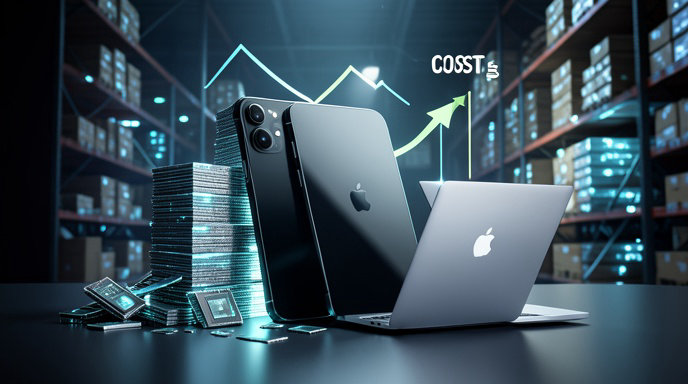
- Apple’s inventory has reportedly risen 154% to about $14.5 billion as the company builds a larger buffer of components, including memory chips.
- Surging demand from artificial-intelligence infrastructure and constrained memory supply are pushing up DRAM and NAND prices, raising costs for iPhones, Macs and other devices.
- Apple may absorb some of the increase through its scale and supplier contracts, but sustained cost pressure could eventually mean higher prices, reduced promotions or changes to device configurations.
Apple’s Inventory Builds as Memory Market Tightens
Apple is carrying far more inventory than it did a year ago, with its stock of components and finished goods reportedly reaching approximately $14.5 billion—an increase of 154%.
The jump comes as the global memory-chip market enters a period of unusual pressure. Demand for memory is accelerating across smartphones, personal computers and artificial-intelligence data centers, while manufacturers are carefully managing production capacity after years of volatile pricing.
Apple’s larger inventory position appears to reflect more than a simple increase in unsold products. The company may be bringing components into its supply chain earlier, securing additional supplies and building protection against further price increases or shortages.
That strategy could help Apple maintain production schedules. It could also tie up billions of dollars in working capital at a time when the company is warning that memory costs are likely to remain elevated.
Why Apple Is Stockpiling More Components
Inventory can rise for several reasons. Apple may be holding more finished iPhones and Macs ahead of seasonal demand, but a substantial increase can also point to a larger supply of components waiting to be assembled.
Memory is particularly important because it is used throughout Apple’s product lineup. iPhones and iPads rely on mobile DRAM and flash storage, while Macs use memory modules, solid-state storage and increasingly powerful system architectures that require greater memory capacity.
By purchasing chips earlier, Apple can reduce its exposure to short-term supply disruptions. It may also be attempting to lock in prices before suppliers raise them further.
The approach is consistent with Apple’s broader supply-chain strategy. The company has long used its purchasing power and long-term relationships with manufacturers to secure priority access to critical components. A larger inventory buffer can give Apple more flexibility during periods when suppliers cannot immediately meet demand.
However, inventory is not cost-free. Components can lose value if product demand weakens, specifications change or newer technologies become available. Holding more inventory also increases the amount of cash committed before products are sold.
AI Demand Is Reshaping the Memory Market
The biggest force behind the current memory squeeze is the rapid expansion of artificial-intelligence computing.
Cloud providers and specialized AI companies are buying huge quantities of high-bandwidth memory, or HBM, for use alongside advanced processors. HBM is more expensive and technically demanding than conventional memory, and it is produced by many of the same major manufacturers that supply DRAM for consumer electronics.
Although iPhones and Macs do not use the same memory configurations as AI accelerators, the markets are connected. Chipmakers must allocate wafer capacity, advanced packaging resources and production equipment across several product categories. Strong AI demand can therefore reduce the flexibility available for smartphone and PC memory.
At the same time, memory manufacturers have been cautious about expanding output too quickly. The industry has repeatedly experienced boom-and-bust cycles in which aggressive capacity increases are followed by oversupply and collapsing prices. Suppliers are now attempting to keep production aligned with demand rather than flood the market.
That discipline can make price increases last longer when demand unexpectedly accelerates.
How Higher Memory Prices Could Affect iPhones
Memory represents only one portion of an iPhone’s bill of materials, but its importance has grown as Apple increases storage capacities and adds more sophisticated software features.
Newer iPhones generally require more RAM to support advanced photography, on-device artificial intelligence, gaming and multitasking. Higher storage tiers also depend on larger amounts of NAND flash, another area facing pricing pressure.
If memory prices continue to climb, Apple has several options. It could absorb the additional cost and accept lower margins, negotiate more aggressively with suppliers, reduce other component expenses or adjust product specifications. The company could also pass some of the increase to customers through higher launch prices.
Apple has historically protected the positioning of its premium products, making across-the-board price cuts unlikely when costs rise. Instead, customers might see more targeted changes, such as higher prices for storage upgrades, fewer discounts or a wider gap between standard and premium models.
The effect may be less obvious in the headline price of an entry-level iPhone than in the cost of moving to a larger storage capacity or a higher-end model.
Macs Face a Different Set of Pressures
Mac computers could be even more sensitive to memory costs in some configurations. Apple’s move toward unified memory means that memory is integrated closely with the company’s system-on-chip architecture rather than being treated as a simple replaceable module.
That design offers performance and power-efficiency benefits, but it also makes memory an important part of the overall platform cost. Apple’s higher-end MacBook Pro and desktop systems use substantially more memory, particularly when configured for professional video, software development, engineering and AI workloads.
If memory prices remain high, Apple may preserve base prices while making larger-memory configurations more expensive. It could also use product segmentation to steer customers toward higher-margin models.
The Mac market is smaller than the iPhone business, so the financial impact may be more limited in absolute terms. Nevertheless, memory inflation could make it harder for Apple to lower prices or increase memory as aggressively as some users expect.
Will Consumers Pay More for Apple Devices?
Higher component costs do not automatically translate into higher retail prices. Apple’s margins, cash reserves and purchasing scale give it more room than many rivals to absorb temporary increases.
The company may also benefit from contracts negotiated before the latest price movements. Inventory accumulated earlier could provide short-term protection, allowing Apple to delay price changes while it assesses whether the market tightness is temporary or structural.
Longer-lasting inflation would be more difficult to avoid. If memory suppliers continue raising prices across multiple quarters, Apple could respond through a combination of measures:
- Higher prices for selected iPhone and Mac models
- More expensive storage and memory upgrades
- Fewer retailer promotions
- Lower component specifications at the same price
- Greater emphasis on premium models with stronger margins
- More aggressive efforts to diversify suppliers and manufacturing locations
Apple could also use financing plans and trade-in offers to soften the impact of a higher sticker price. That would preserve the company’s premium positioning while making monthly payments appear less affected.
Why the Inventory Increase Matters for Apple
The inventory figure is significant because it reflects both a supply-chain decision and a financial trade-off.
A larger inventory balance can protect revenue by preventing production interruptions. If Apple cannot obtain enough memory or other critical components, it risks missing launch targets, delaying shipments or leaving popular configurations unavailable.
But excess inventory can become a liability if consumer demand weakens. Apple must balance the value of securing chips against the risk of holding components that may need to be discounted or written down.
The 154% increase therefore does not necessarily indicate that Apple is struggling to sell products. It may instead show that the company is preparing for a more expensive and less predictable supply environment. The composition of the inventory—finished goods versus raw materials, components and work in progress—will be important in determining what the increase means.
A large component buildup would point more clearly to precautionary purchasing. A rise in finished products could suggest that Apple is preparing for seasonal demand or dealing with slower sales.
The Broader Industry Impact
Apple is not the only device maker facing this problem. Smartphone and PC manufacturers with weaker purchasing power may have less ability to secure supply or absorb higher costs.
Some companies could reduce memory configurations, delay product launches or raise prices more quickly. Others may prioritize premium devices, where customers are more likely to tolerate price increases and margins provide greater protection.
The pressure could also accelerate a shift toward devices designed with more efficient memory usage. Software optimization, compression and on-device workload management may become more important as manufacturers look for ways to deliver new features without continually increasing memory capacity.
For Apple, its control over hardware and software gives it more tools to manage the situation. The company can optimize iOS and macOS, adjust product segmentation and coordinate component decisions across the iPhone, iPad and Mac product lines.
The company cannot fully escape the underlying economics, however. Apple still depends on a global network of memory manufacturers, packaging suppliers and contract assemblers.
What to Watch Next
The most important signals will come from Apple’s future earnings reports and supplier commentary.
Investors will be watching whether inventory continues to rise, how quickly Apple’s product margins change and whether management describes memory inflation as temporary or persistent. Comments from major memory manufacturers will also offer clues about production plans, contract pricing and demand from AI customers.
Product pricing will provide another visible indicator. If Apple keeps retail prices unchanged but raises storage upgrade costs, that could signal an effort to protect base-model affordability while recovering higher component expenses elsewhere.
Consumers should also watch availability. Extended shipping times, fewer discounts or limited configurations could indicate that Apple is prioritizing supply efficiency rather than simply carrying excess stock.
For now, Apple’s larger inventory position gives it a degree of protection. But if the memory market remains constrained, that buffer may only delay the consequences. The longer prices stay elevated, the more likely it becomes that the cost will eventually show up in Apple’s margins—or in the price customers pay for the next generation of iPhones and Macs.

Get All The Latest Updates Delivered Straight To Your Inbox For Free!