
Audible Uses AI to Transform Audiobook Discovery with Personalized Audio Previews
TL;DR
- Audible is introducing AI-generated audio previews that summarize an audiobook’s themes and reflect what listeners value, alongside conventional narrated samples.
- The feature could help users browse more efficiently by offering quick, context-rich guidance before they commit to a title.
- Personalized previews may improve discovery, but their usefulness will depend on accuracy, transparency, and preserving the role of human narration.
Audible Uses AI to Transform Audiobook Discovery with Personalized Audio Previews
A New Layer for Audiobook Browsing
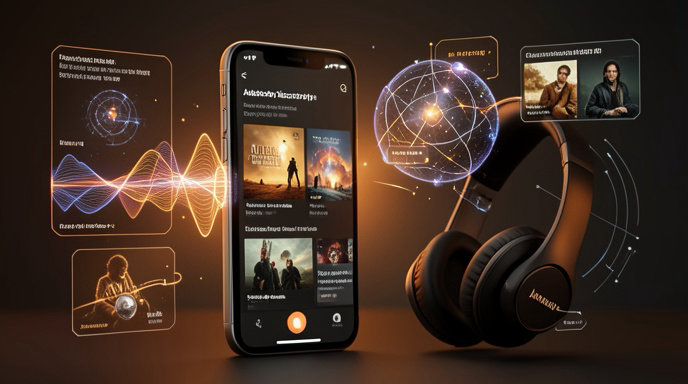
Audible is moving beyond the traditional sample clip with AI-generated audio previews designed to help listeners understand an audiobook before pressing play.
The new previews are intended to explain a book’s central themes, describe the experience it offers, and highlight elements that other listeners enjoyed. They will appear alongside conventional excerpts narrated by the author, performer, or production cast, giving prospective listeners two ways to evaluate a title: hearing the audiobook itself and receiving a concise, AI-assisted overview.
The move reflects a broader shift in digital media. As streaming libraries and online bookstores expand, the biggest challenge is often not access but discovery. Listeners may have thousands of audiobooks to choose from, yet limited time to investigate each one. Audible’s AI previews are designed to reduce that friction.
From Samples to Summaries
Traditional audiobook samples remain useful because they demonstrate narration quality, pacing, tone, and production value. However, a short excerpt may not explain what a book is about or why it could appeal to a particular listener.
An AI-generated preview can fill that gap by offering a brief description of the audiobook’s subject matter, emotional tone, genre, and major themes. For a nonfiction title, it might emphasize the ideas, practical lessons, or questions explored in the book. For fiction, it could describe the setting, atmosphere, character dynamics, or broad genre without giving away key plot developments.
The approach is similar to the way recommendation services use summaries, tags, reviews, and listening patterns to help people choose what to play next. The difference is that Audible is presenting the information in an audio format, allowing users to evaluate a book without reading a long product description.
Using Listener Feedback to Guide Discovery
One of the more distinctive aspects of the feature is its focus on what listeners enjoyed. AI-generated previews may draw on patterns in ratings, reviews, and other audience feedback to identify qualities that resonate with existing listeners.
That could include a narrator’s performance, a story’s humor, a book’s emotional impact, the clarity of its explanations, or the usefulness of its advice. Surfacing those traits could give potential listeners a faster sense of whether a title matches their interests.
For example, someone browsing a history audiobook might be drawn to a preview emphasizing its accessible storytelling and vivid character portraits. A listener searching for a business book might respond to a description focused on practical examples and actionable ideas. The same title could therefore be presented through different qualities depending on the listener’s preferences and the available audience signals.
The goal is not necessarily to replace reviews or editorial recommendations. Instead, AI previews can serve as another discovery tool, turning large amounts of listener feedback into a short, accessible introduction.
Personalization Could Change What Gets Heard
Personalized audio previews could eventually become more specific to each user. A listener who regularly chooses crime novels might receive a preview focused on suspense and investigative elements. Someone who prefers books narrated by a particular performer could receive more information about the voice performance. A user interested in short, practical nonfiction might see the same title presented around its key takeaways and estimated listening experience.
This type of personalization could make audiobook discovery feel less like browsing a general catalog and more like receiving a tailored recommendation. It may also help less prominent titles compete for attention by connecting them with listeners whose interests align closely with their content.
However, personalization introduces an important distinction between describing a book and marketing it. The more a preview is optimized for a user’s likely preferences, the greater the risk that it could emphasize some aspects while minimizing others. Clear labeling and consistent standards will be important if listeners are to understand when they are hearing an objective description and when they are receiving a recommendation shaped by their behavior.
Why AI Previews Matter for Audible
Audible operates in a highly competitive digital audio market where podcasts, music services, libraries, and other audiobook platforms all compete for listening time. Improving discovery can help the company increase engagement without relying only on new releases or high-profile authors.
A listener who quickly understands a book’s subject and tone may be more likely to start a sample, add the title to a library, or begin listening. Better previews could also reduce the number of titles abandoned after a few minutes because the listener misunderstood the book’s premise or style.
For publishers and authors, improved discovery could create additional opportunities for books that do not immediately stand out through their cover art, title, or short description. AI-generated previews may offer another way to communicate a book’s appeal, particularly in categories with crowded catalogs.
The technology could also make audiobook browsing more accessible. Listening-based descriptions may benefit people who prefer audio interfaces, use screen readers, or want to explore titles while driving, exercising, or performing other tasks.
The Limits of Automated Interpretation
AI-generated descriptions are only as reliable as the systems and data used to produce them. A preview that mischaracterizes a book’s themes, overlooks important context, or reveals a major plot point could undermine trust.
This is especially significant for fiction, memoir, history, and other genres where nuance matters. A story may deliberately challenge expectations, shift tone, or resist a simple description. An automated summary could flatten those qualities into familiar marketing language.
There is also the possibility of spoilers. Even a well-intentioned explanation of themes and audience reactions could disclose information that readers would prefer to discover themselves. Audible will need to balance usefulness with restraint, particularly when summarizing narrative works.
Human oversight can help address these risks. Editorial review, author and publisher input, correction mechanisms, and clear notices that a preview was generated with AI could all make the feature more dependable.
Keeping Human Narration at the Center
The introduction of AI-generated previews does not eliminate the importance of traditional audiobook samples. In many cases, the narrator’s voice remains the deciding factor.
Narration communicates qualities that a summary cannot fully capture: rhythm, warmth, tension, comic timing, pronunciation, and the relationship between a performer and the text. A conventional sample lets listeners judge whether they want to spend several hours with that voice.
The two formats therefore serve different purposes. An AI preview can answer, “What is this book about, and why might I enjoy it?” A narrated sample answers, “Do I want to listen to this performance?”
Keeping both options available gives users more control and may make the browsing process more informative rather than replacing one discovery method with another.
A Test of Responsible Recommendation Design
Audible’s feature also raises broader questions about the role of AI in cultural recommendation systems. When an algorithm describes a book, it influences how that work is perceived before a listener encounters it directly.
That makes accuracy, attribution, and transparency essential. Listeners should be able to distinguish between an official publisher description, audience feedback, editorial curation, and AI-generated interpretation. They should also have ways to report errors or misleading summaries.
The handling of listener data will be another important consideration. If previews are personalized using listening history, ratings, searches, or other behavioral signals, users will reasonably expect clear privacy controls and understandable explanations of how recommendations are created.
The Future of Audio Discovery
AI-generated previews are part of a larger movement toward more conversational and adaptive interfaces. In the future, listeners may be able to ask for a preview tailored to a specific need: a fast-paced mystery with a female narrator, a beginner-friendly economics book, or a thoughtful memoir that is not emotionally intense.
Recommendation systems could also compare titles more naturally, explain why a book was suggested, or adjust descriptions based on whether a listener is browsing casually or looking for something to start immediately.
Still, the success of Audible’s approach will depend on whether it adds useful context without making the catalog feel overly automated. The best implementation will likely combine machine-generated assistance with human narration, editorial judgment, and authentic listener feedback.
For now, AI previews represent a practical experiment in making an enormous audiobook library easier to navigate. If Audible can deliver summaries that are accurate, transparent, and genuinely helpful, the feature could make choosing what to hear next faster while giving more books a chance to find the right audience.

Get All The Latest Updates Delivered Straight To Your Inbox For Free!