
Instagram Adds Amazon Affiliate Links to Reels and Feed Posts
TL;DR
- Instagram is expanding Amazon affiliate-link support to Reels and feed posts, adding permanent, high-visibility placements to options such as Stories, DMs and profile bios.
- Eligible creators can recommend Amazon products, send viewers to purchase pages and earn commissions when qualifying purchases are completed.
- The move could make shoppable short-form video more valuable while increasing the importance of clear disclosures, accurate product recommendations and transparent commission practices.
Instagram Adds Amazon Affiliate Links to Reels and Feed Posts
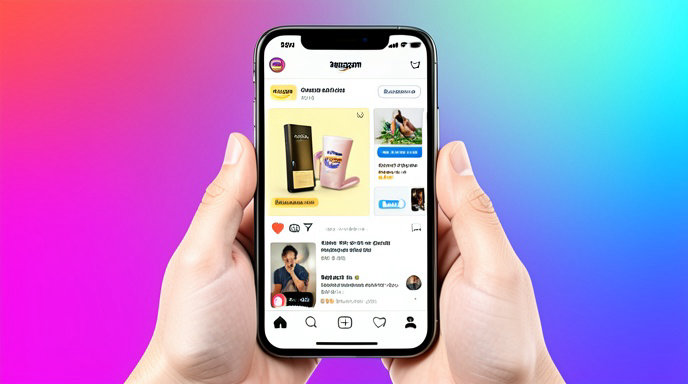
Instagram is widening the ways creators can monetize product recommendations by allowing eligible users to attach Amazon affiliate links to Reels and feed posts. The expansion gives creators more opportunities to turn ordinary product demonstrations, reviews and lifestyle content into shoppable posts.
The change builds on existing ways creators have shared Amazon affiliate links through Instagram Stories, direct messages and profile bios. By bringing the links into Reels and feed posts, Instagram is placing affiliate commerce closer to the content formats where creators typically reach the largest audiences.
The feature is part of a broader industry shift toward social platforms becoming discovery, recommendation and shopping destinations at the same time. Rather than directing followers to a standalone storefront or link-in-bio page, creators can connect a product recommendation more directly to the post or video that inspired it.
How the Amazon integration works
The exact workflow can vary by account, market and Instagram’s current product-linking tools, but the basic process is designed to be relatively simple. An eligible creator selects an Amazon product, adds its affiliate link to supported Instagram content and publishes the post or Reel.
Viewers can then tap the product link and continue to Amazon to view product information, pricing, availability and purchasing options. The transaction generally takes place on Amazon rather than inside Instagram. If the purchase qualifies under Amazon’s Associates rules, the creator may receive a commission.
Creators may be able to use the feature for products they demonstrate in a video, mention in a caption or include in a broader roundup. A beauty creator, for example, could link to the makeup used in a tutorial. A technology reviewer could connect a Reel about a laptop accessory to the relevant Amazon listing, while a home creator could tag several products shown in a room makeover.
Availability is not necessarily universal. Access can depend on the creator’s location, account status, participation in the relevant affiliate program and Instagram’s rollout schedule. Amazon’s commission rates, qualifying categories and attribution rules also continue to govern how earnings are calculated.
Why Reels and feed posts matter
Stories are useful for timely promotions, but they disappear from a creator’s main profile after a limited period unless saved as Highlights. Direct messages are more personal but require a follower to ask for a link or receive one from the creator. A profile-bio link is persistent, yet it makes the audience take an additional step before finding the recommended product.
Reels and feed posts offer a different combination of reach and longevity. A successful Reel can continue receiving views through recommendations, search and sharing long after publication. A feed post remains visible on a creator’s profile and can serve as a lasting product guide.
That makes affiliate links more useful for content that has a long shelf life. Tutorials, buying guides, seasonal gift lists, “what I use” posts and product comparisons can continue generating clicks after the initial publishing cycle.
The expansion also aligns affiliate monetization with the way Instagram’s recommendation systems distribute content. When a Reel reaches people who do not already follow the creator, a product link gives that new audience a direct route to the item being discussed.
A new opportunity for influencer marketing
For brands, the integration could make creator campaigns easier to measure and scale. Instead of relying only on awareness metrics such as views, likes and comments, marketers can evaluate clicks, conversions and commission-driven sales.
Affiliate arrangements can also complement traditional sponsored campaigns. A brand might pay a creator a fixed fee for producing a Reel while allowing the creator to earn additional commission from resulting sales. In other cases, creators may independently feature products and earn revenue without negotiating a separate sponsorship.
The model is particularly relevant to smaller and mid-sized creators. They may not have the audience size required for large brand deals, but a focused community can still generate meaningful sales when recommendations are trusted and closely matched to followers’ interests.
It may also encourage creators to produce more commerce-oriented content. Product comparisons, demonstrations, unboxings and “best of” lists can function both as useful editorial material and as performance-marketing assets.
How creators may use shoppable content
The most effective use of Amazon affiliate links is likely to come from content where the product is central to the story rather than added as an afterthought.
Creators could use Reels to demonstrate how a product works, compare competing items or show a before-and-after result. Feed posts could provide detailed specifications, product roundups or a list of items used in a project. A carousel might present several recommendations, with each slide focused on a different product.
Short-form video can also reduce the distance between inspiration and purchase. A viewer who sees a kitchen tool in a recipe video, a microphone in a podcasting setup or an accessory in a travel clip can move from discovery to product research without searching for the item independently.
Creators will need to balance convenience with credibility. Recommending too many products, promoting items unrelated to the account’s usual subject or emphasizing commission potential over usefulness could weaken audience trust. Consistent standards for testing and reviewing products will become increasingly important as affiliate content becomes more prominent.
Disclosure and consumer protection remain important
Affiliate links create a financial relationship between the creator and the seller, so creators should clearly disclose that they may earn a commission. A disclosure should be easy to notice and understand, rather than hidden among hashtags or placed where viewers are unlikely to see it.
Creators also need to distinguish affiliate recommendations from paid sponsorships. An affiliate arrangement and a brand-paid promotion can overlap, but they are not identical. If a company has paid for content, provided a product under conditions or exercised control over the post, additional sponsorship disclosures may be required.
Product information can change quickly on Amazon. Prices, stock levels, shipping terms and product versions may differ between the time a post is published and the time a viewer clicks the link. Creators should avoid making claims that could become outdated and should update or remove recommendations when products no longer meet their standards.
The expansion may also bring greater scrutiny to misleading reviews, exaggerated claims and low-quality automated content. As platforms make affiliate monetization easier, regulators and consumers are likely to pay closer attention to whether recommendations are genuine and whether commercial relationships are made clear.
What the move means for Instagram
For Instagram, Amazon affiliate links strengthen the platform’s role in the creator economy without requiring Instagram to manage every aspect of retail fulfillment. Amazon handles the transaction and product catalog, while Instagram remains the place where discovery and influence occur.
The arrangement can also help Instagram compete with other commerce-focused platforms. Social video services have increasingly connected creator content with product catalogs, affiliate programs and in-app shopping features. Giving creators more ways to monetize may help Instagram retain talent and encourage them to publish more frequently.
At the same time, the company will need to manage the risk of feeds becoming overly commercial. If users encounter too many product pitches, engagement and trust could suffer. The quality of Instagram’s recommendation systems, labeling tools and creator policies will influence whether affiliate links feel useful or intrusive.
The broader direction of creator commerce
The expansion reflects a larger change in digital advertising. Influencer marketing is moving beyond one-time sponsored posts toward systems in which creators can earn from measurable outcomes over time.
Affiliate links give creators a potential revenue stream that continues after publication, particularly when older posts keep attracting search traffic or recommendation views. They also give brands a way to work with a wider range of creators while tying spending more closely to sales.
For audiences, the benefit is convenience: products shown in content can be easier to find and evaluate. The drawback is that commercial incentives can make recommendations harder to interpret. The distinction between personal advice, advertising and affiliate promotion will become increasingly important.
Instagram’s support for Amazon affiliate links in Reels and feed posts therefore represents more than a new link-placement option. It brings commerce closer to the platform’s most influential formats and gives creators another way to turn attention into income. Whether the feature succeeds will depend on execution, eligibility and measurement—but also on whether creators use it selectively enough to preserve the trust that makes their recommendations valuable.

Get All The Latest Updates Delivered Straight To Your Inbox For Free!