
Instagram’s New Creator Tool Fights Unauthorized Reposts and AI-Modified Videos
TL;DR
- Instagram’s Content Protection tool helps eligible creators find matching Reels that may be unauthorized reposts.
- The system is designed to detect altered copies, including videos that have been cropped, resized or modified with AI.
- Creators can review matches and take action, but the tool does not automatically determine copyright ownership or prevent every misuse.
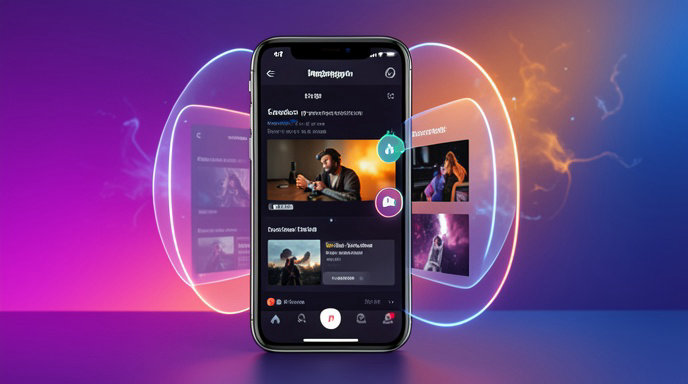
Instagram is expanding its effort to protect original video creators with a tool that can identify potential copies of their Reels—even when those copies have been edited, reformatted or altered with generative artificial intelligence.
The feature, known as Content Protection, gives eligible creators a way to monitor where their videos appear across Instagram. It is intended to address a problem that has become more difficult to manage as short-form video reposting has grown and AI tools have made it easier to transform an original clip while preserving much of its recognizable content.
Rather than relying solely on manual copyright reports, the system is designed to surface likely matches through Instagram’s professional creator tools. Creators can then decide whether to leave a post alone, contact the account that uploaded it or ask Instagram to take action.
How Instagram’s Content Protection Tool Works
Content Protection is available through Instagram’s professional dashboard for eligible creators. Once activated, the system scans for Reels that appear to match videos posted by the original creator.
The matching technology is intended to look beyond identical reuploads. Copies may still be detected after common alterations such as:
- Cropping or changing the aspect ratio
- Resizing a video for another platform
- Adding borders, captions or stickers
- Adjusting the speed
- Replacing or modifying the audio
- Applying visual effects
- Making other edits that preserve significant portions of the original footage
The inclusion of altered material is particularly important as creators increasingly encounter videos that have been remixed or transformed with AI. A repost may no longer be a frame-for-frame duplicate, but it can still rely heavily on someone else’s filming, editing and creative work.
When Instagram identifies a possible match, the creator can review it from the protection interface. Available responses can vary by case and account, but may include contacting the poster, requesting removal or blocking the account from using the creator’s content.
The tool is designed to put the decision in the creator’s hands rather than automatically deleting every suspected match. That approach recognizes that some uses—such as authorized collaborations, licensed reposts, commentary or legitimate remixes—may be permitted.
Why Unauthorized Reposting Is a Growing Problem
Short-form video has created a powerful distribution system for creators, but it has also made copying easier and more profitable. A popular Reel can be downloaded, lightly edited and uploaded by another account within minutes.
Reposted videos can compete directly with the original for views, followers and advertising opportunities. In some cases, accounts built around copied material can grow faster than the creators who produced it, particularly when the reposting account has a larger audience or uses aggressive recommendation tactics.
The impact is not limited to lost attribution. Creators may also lose access to brand deals, affiliate revenue and licensing opportunities when their work circulates without permission. Reposted material can further be used to promote scams, impersonation schemes or products that the original creator never endorsed.
Instagram has offered reporting and copyright-enforcement systems for years, but those systems generally require creators to find the offending post and submit a complaint. A detection tool could reduce that burden by bringing potential infringements to the creator’s attention first.
AI Makes Video Misuse Harder to Identify
Generative AI adds a new layer of complexity. Video-generation and editing tools can now alter a creator’s appearance, voice, background or words while retaining the structure of the original clip.
A creator’s video might be repurposed as a synthetic advertisement, transformed into misleading political or commercial content, or edited to make it appear that the person said something they never said. Other modifications may be less dramatic but still make attribution and ownership difficult to establish.
Traditional duplicate-detection systems are better suited to identical copies. AI-modified content may change enough visual or audio information to evade simple comparisons, even though the new version is clearly derived from the original.
Instagram’s approach appears aimed at identifying substantial overlap rather than proving that every pixel or sound is unchanged. That distinction matters: a system can flag a likely relationship between two videos, but it cannot independently resolve every question involving fair use, licensing, parody or transformation.
What Creators Can Do With a Match
After reviewing a suspected copy, a creator can choose the response that best fits the situation.
For a clearly unauthorized repost, requesting removal may be the most direct option. In other cases, the creator may prefer to contact the account owner, ask for credit or negotiate permission. Blocking can also help prevent a particular account from continuing to reuse the creator’s work.
Creators should still preserve evidence, including links, screenshots, upload dates and copies of the original files. Automated detection can miss content, and a match does not necessarily lead to an immediate removal.
The tool is therefore best viewed as an early-warning and workflow system, not a complete replacement for Instagram’s copyright-reporting process. Creators may still need to file a formal intellectual-property complaint when a dispute cannot be resolved through the available controls.
Limits and Open Questions
Automated matching systems face difficult trade-offs. If detection is too conservative, it may miss heavily edited copies or AI-generated derivatives. If it is too aggressive, it could flag legitimate commentary, criticism, reaction videos, fan edits or licensed collaborations.
There are also practical questions about how broadly the system searches, how quickly it identifies a match and which creators qualify for access. Instagram’s enforcement decisions may depend on factors including the nature of the content, the rights claimed by the reporter and the laws that apply in a particular region.
AI-generated changes create an additional challenge because ownership can be complicated. A creator may own the underlying footage but not necessarily every element included in it, such as music, stock imagery or footage licensed from another source. Conversely, an account that significantly transforms a video may argue that its use is lawful even when the original creator objects.
These disputes cannot be settled reliably through detection alone. Instagram still needs review, appeal and enforcement procedures that distinguish between infringement and legitimate creative use.
A Broader Shift in Platform Responsibility
Content Protection reflects a broader shift in how social networks are handling creator rights. Platforms once focused mainly on tools that allowed creators to publish and monetize content. Increasingly, they are also expected to help creators track unauthorized use after publication.
The pressure is coming from several directions. Professional creators want better ways to protect the value of their work. Brands are concerned about unauthorized advertising and impersonation. Policymakers are examining how platforms should handle synthetic media and copyright disputes. Users, meanwhile, are finding it harder to tell whether a video is original, reposted or AI-modified.
Meta has also introduced broader labeling and transparency measures for AI-related content, but labels and detection serve different purposes. A label may indicate that media was created or altered with AI. A protection system attempts to connect that media to the person or account that originally published the underlying work.
For creators, the combination could eventually mean greater visibility into how their videos travel across the platform and how they are changed along the way.
What the Tool Means for Creators
The immediate benefit is discovery. Instead of relying entirely on followers to report stolen content, creators may receive a centralized view of potential reposts.
That could be especially valuable for small and mid-sized creators, who often lack the time or legal resources to monitor every platform. A tool that detects altered copies may also help creators respond before an unauthorized version gains more views than the original.
However, creators should not treat the feature as a guarantee of protection. They will still need to maintain clear records of their original work, understand the rights attached to music and third-party material, and use Instagram’s reporting channels when necessary.
They may also need to decide how aggressively to enforce their rights. Some creators may welcome authorized fan edits or reposts that drive attention to their accounts, while others may want strict control over any reuse.
The larger significance is that content protection is becoming part of the everyday creator workflow. As AI makes video editing faster and more convincing, proving that a work was copied may become less straightforward. Tools that detect relationships between original and modified videos could give creators an important advantage—but their success will ultimately depend on accurate matching, transparent enforcement and meaningful appeals.

Get All The Latest Updates Delivered Straight To Your Inbox For Free!