
Meta AI Muse Brings Voice-Powered Assistance to Apple Watch and Wear OS
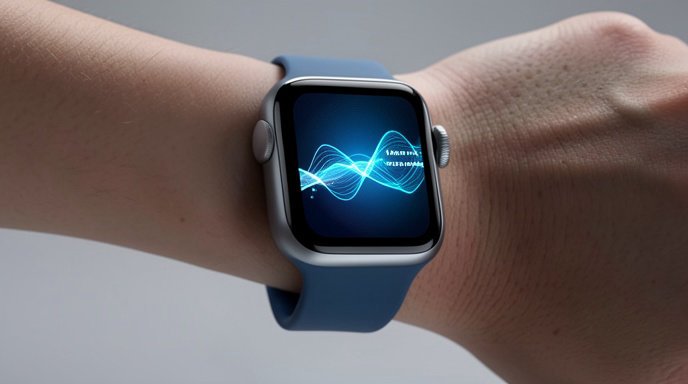
TL;DR
- Reports point to Meta AI “Muse” expanding to Apple Watch and Wear OS for voice-first assistance.
- The wearable experience could support calls, text messaging, dictation and hands-free everyday tasks.
- Availability, supported devices, rollout timing and the “Muse” branding still require confirmation from Meta.
A More Accessible Way to Use Meta AI
Meta is reportedly preparing a wearable-focused version of its AI assistant, referred to as “Muse,” for Apple Watch and Google’s Wear OS platform. The move would extend Meta AI beyond phones, smart glasses and other company products, giving users a more immediate way to ask questions, dictate messages and manage routine communications.
The reported integration would position the assistant as a voice-controlled companion for short interactions rather than a full replacement for a smartphone. On a smartwatch, users could potentially speak naturally, receive an audio response and complete tasks without pulling a phone from a pocket or bag.
However, Meta has not publicly confirmed all of the details associated with the reported Muse initiative. Product name, availability, supported watch models and the precise feature set should therefore be treated as unconfirmed until the company makes an official announcement.
Voice Calls and Text Messaging
The most significant aspect of the reported integration is its focus on communication. A smartwatch-based Meta AI assistant could allow users to start or respond to calls, compose text messages and dictate replies using voice commands.
That functionality would be particularly useful when users are driving, exercising or otherwise unable to interact with a phone. Instead of tapping through a small watch display, a user could tell the assistant whom to contact and what to say. The assistant could then convert speech into text, read incoming messages aloud or help refine a response before sending it.
The practical experience will depend heavily on how Meta handles confirmation and privacy. Sending a message or initiating a call based on a misunderstood command could create obvious problems, so the service may need to ask users to confirm sensitive actions before completing them.
Dictation on the Wrist
Dictation is already a common smartwatch feature, but an AI assistant could make it more flexible. Rather than simply transcribing words, Muse could potentially clean up grammar, summarize a message or adjust its tone before it is sent.
For example, a user might dictate a rough explanation to a colleague and ask the assistant to make it shorter or more professional. A similar system could help create reminders, shopping lists and calendar notes while keeping the interaction conversational.
The value of such features will depend on speed and accuracy. Wearable users generally expect quick responses, and delays could make voice interaction feel less convenient than pressing a few buttons. Reliable speech recognition will also be important in noisy streets, crowded offices and busy public spaces.
Apple Watch and Wear OS Reach
Supporting both Apple Watch and Wear OS would give Meta access to two of the largest smartwatch ecosystems. Apple Watch users could benefit from a dedicated assistant experience that complements existing watch features, while Wear OS users could see Meta AI integrated into a wider range of devices from manufacturers such as Samsung, Google and Mobvoi.
The two platforms do not offer identical capabilities. Apple places tighter limits on third-party access to system functions, communications and background processing, while Wear OS provides its own set of integrations and restrictions. As a result, Muse may not work the same way on both platforms.
Some features could also depend on whether the watch has cellular connectivity. A cellular-enabled device may be able to handle calls and messages without a nearby phone, while a Wi-Fi-only watch could require a Bluetooth connection to a smartphone.
A Companion to Meta’s Wearable Strategy
Meta has been steadily expanding its presence in wearable computing, most notably through its Ray-Ban smart glasses. Those glasses already emphasize voice interaction, cameras and hands-free access to Meta AI, making a smartwatch extension a logical next step.
A watch-based assistant would serve a different purpose. Smart glasses can provide information while users look at the world around them, whereas a smartwatch is better suited to private interactions, notifications and quick communications. Together, the products could form a broader ecosystem for accessing Meta’s assistant throughout the day.
The strategy could also help Meta reduce reliance on smartphone-based interactions. By placing its assistant on more personal devices, the company would have additional opportunities to build daily usage and gather feedback about how people interact with AI outside traditional chat applications.
Privacy and Security Questions
Voice assistants on watches raise important privacy questions. Audio may be processed on the device, sent to Meta’s servers or handled through a combination of local and cloud-based systems. The company would need to explain what information is collected, how long it is retained and whether conversations are used to improve its AI models.
Communication features add another layer of risk. An assistant that can access contacts, messages or call controls must protect users from accidental actions, unauthorized access and malicious instructions embedded in messages.
Clear permission controls will be essential. Users should be able to determine which apps Muse can access, whether it can send messages without confirmation and how voice recordings are stored. A visible indicator that the watch is listening could also help users understand when the assistant is active.
The Competition Is Already Moving
Meta would enter a market that includes Apple’s Siri, Google Assistant and Gemini, Samsung’s Galaxy AI features and a growing number of third-party AI services. Apple and Google already control much of the operating-system infrastructure on the devices Meta reportedly wants to support.
That creates both an opportunity and a challenge. Meta could differentiate Muse through its conversational abilities, cross-platform support and links to WhatsApp, Messenger and Instagram. At the same time, it may face restrictions when trying to access native calling, messaging and notification functions.
The assistant’s usefulness will ultimately depend less on its branding than on how smoothly it fits into existing workflows. Users are unlikely to adopt another wearable assistant if it cannot reliably perform basic tasks or if it requires frequent phone interaction.
What to Watch Next
The most important details still awaiting confirmation include the official name, launch markets, subscription requirements and compatibility with older Apple Watch and Wear OS models. Meta will also need to clarify whether Muse is a standalone smartwatch app, an extension of the Meta AI mobile experience or part of a broader wearable platform.
Performance will be another key factor. A successful launch would require fast responses, accurate transcription and dependable integration with calls, messages and dictation. Battery impact could also influence adoption, particularly if the assistant relies on frequent microphone use or cloud-based processing.
If Meta delivers on the reported concept, Apple Watch and Wear OS users could gain a convenient new way to communicate and manage small tasks without reaching for a phone. For now, though, the reported Muse experience remains a developing story, and its capabilities should not be considered final until Meta provides official product information.

Get All The Latest Updates Delivered Straight To Your Inbox For Free!