
Revolutionizing Online Shopping: Discover The Mall App
TL;DR
- The Mall is a shopping app concept focused on a personalized feed of sales, new drops, and restocks from many retailers, aiming to make online shopping more efficient.
- The app’s pitch mirrors an earlier generation of “virtual mall” shopping tools, but with a stronger emphasis on real-time alerts and brand-level personalization.
- As of the latest available public material, The Mall is being promoted through short-form social posts and its own site, while broader independent reporting on the app remains limited.
A new take on the online shopping feed
The Mall is positioning itself as a single place where shoppers can save brands, follow product availability, and receive updates when items go on sale, return to stock, or launch as new drops. Its core promise is simple: instead of checking dozens of retailer sites and apps, users get a personalized shopping feed built around the brands they care about most.
That idea fits a larger shift in ecommerce, where discovery is increasingly driven by feeds, alerts, and algorithms rather than traditional store navigation. The Mall’s pitch suggests it wants to turn shopping from a search task into a curated stream of opportunities.
How The Mall says it works
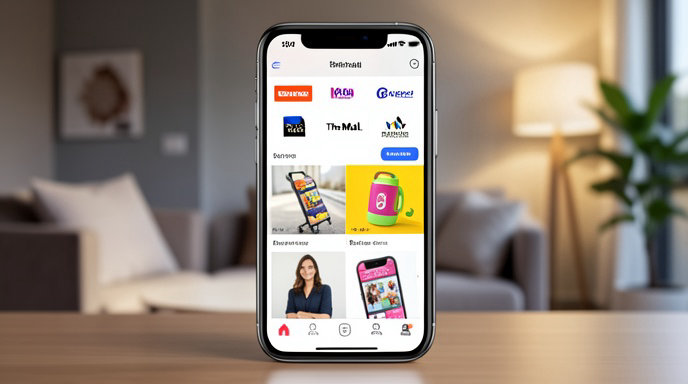
Based on the company’s public messaging, users can save any brand into “their mall,” then receive instant updates when that brand posts sales, new arrivals, or restocks of popular products. The app also emphasizes smart filtering, which appears designed to help shoppers sort through promotions and product drops more efficiently.
The concept is not just about convenience; it is about reducing the friction of modern shopping. In a crowded retail landscape, timing often matters as much as price, and The Mall is built around helping users catch inventory and promotions before they disappear.
Why the idea stands out now
Online shopping has become overwhelmingly fragmented, with major retailers, direct-to-consumer brands, and marketplaces all competing for attention. An app that consolidates brand updates into one personalized feed could appeal to users who want to track many stores without manually checking each one. This is especially relevant for categories where products sell out quickly, such as sneakers, streetwear, beauty, and limited-edition releases.
The concept also taps into a familiar consumer behavior: shoppers already follow brands on social media for drops and announcements. The Mall appears to formalize that behavior inside a purpose-built shopping app, potentially making the process more structured and easier to manage.
Echoes of earlier “personal mall” apps
The Mall is not the first product to frame online shopping as a personalized mall. An earlier app called My Mall offered users a way to create a custom shopping mall by selecting favorite stores, with access to hundreds of retailers and features like browsing catalogs, searching deals, and buying directly through merchant sites.
What feels different about The Mall is the emphasis on live alerts and brand tracking rather than simply catalog aggregation. That shift reflects how ecommerce has evolved: shoppers now expect immediate notifications about restocks and limited drops, not just a digital directory of stores.
What the public material does and does not confirm
The latest public-facing information shows The Mall being promoted through its website and social media posts, where its founders describe it as “the world’s first online shopping mall” and highlight instant alerts for sales, restocks, and new drops. However, independent coverage from major news outlets is limited in the available search results, so broader details about funding, user numbers, or launch scale are not confirmed here.
There is also a separate app listing for CityMall on Google Play, but that appears to be a different shopping app and should not be confused with The Mall.
What this could mean for shoppers and retailers
If The Mall gains traction, it could help shoppers save time and make better-timed purchases by centralizing brand updates in one place. For retailers, a highly engaged alert-based audience could be valuable because it surfaces users who are already interested in buying, especially during sales cycles and product launches.
At the same time, the app’s success will likely depend on whether it can cover enough brands, deliver timely notifications, and avoid becoming just another notification source in an already crowded mobile environment. The underlying idea is strong, but execution will determine whether it becomes a useful shopping utility or another short-lived ecommerce experiment.

Get All The Latest Updates Delivered Straight To Your Inbox For Free!