
Uber's Robotaxis: The Surprising Treasures Left Behind
TL;DR
- Uber’s latest Lost and Found Index now includes robotaxis for the first time, reflecting how autonomous vehicles are becoming a real part of its service.
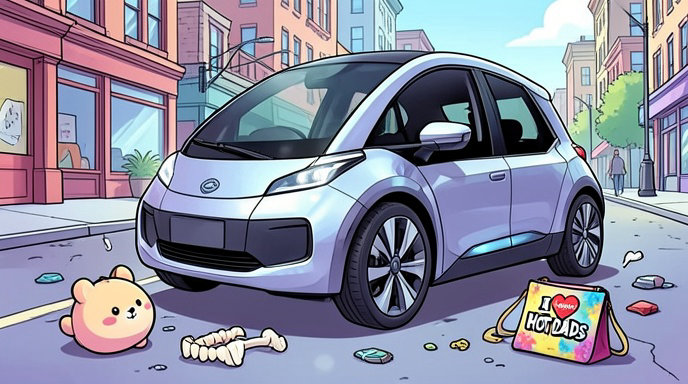
- Riders have left behind some surprisingly odd items, including a Squishmallow, dentures, and a 15-pound bowling ball, alongside the usual phones, wallets, and keys.
- Uber says retrieval in robotaxis works through its app and support team, with a $15 return fee or depot pickup option.
Uber’s Robotaxis: The Surprising Treasures Left Behind
Uber’s robotaxis are no longer just a futuristic experiment; they are generating the same mundane, and occasionally bizarre, lost-item problems that have long followed human-driven rides. In its latest Lost and Found Index, Uber said it is now tracking belongings left in autonomous vehicles for the first time, a sign that robotaxis have reached enough scale to create their own forgotten-items ecosystem.
The Weirdest Things Riders Leave Behind
Among the most unusual items reported in Uber robotaxis over the past year were a unicorn Beanie Baby, a 15-pound green bowling ball, and a set of dentures. The Verge’s report also highlighted other eccentric items, including a Squishmallow and clothing with unusual slogans, showing that self-driving cars are inheriting the same strange mix of personal clutter that has always turned up in ride-hailing vehicles.
That odd collection sits alongside the more predictable list of things people forget in almost any ride: phones, wallets, keys, headphones, eyeglasses, driver’s licenses, and passports. Uber said phones remain the most commonly misplaced item, with everything from iPhones and Android devices to flip phones and Galaxy models appearing in the index.
Robotaxis Are Becoming a Real Uber Category
The inclusion of autonomous vehicles in Uber’s Lost and Found Index matters because it suggests the company now has enough robotaxis operating on its platform to treat them as a distinct operational category. Uber has already launched robotaxi service with partners such as Avride in Dallas, where riders matched with UberX, Uber Comfort, or Uber Comfort Electric can be paired with an all-electric robotaxi at no extra cost.
That broader rollout helps explain why lost-and-found logistics are becoming part of the robotaxi conversation. A lost item problem only becomes meaningful when there are enough vehicles on the road, enough riders using them, and enough misplaced objects to need a formal retrieval process.
How Uber Handles Lost Items in Robotaxis
Uber says the retrieval process for robotaxis is slightly different from standard rides. Riders first report the missing item through the app, then can message or chat with a U.S.-based customer support representative who gathers the relevant details.
If the item is recovered, Uber can arrange delivery through its courier service for a $15 fee. Riders can also choose to pick up the item themselves at the vehicle depot where the robotaxis are charged and serviced.
That kind of system matters more in autonomous vehicles than in traditional rides because there is no driver to call directly or check the back seat before the next passenger gets in. The process is more centralized, more automated, and more dependent on the fleet operator’s infrastructure.
Why Lost and Found Matters in the Robotaxi Era
The strange objects in Uber’s robotaxis are funny, but they also point to a practical challenge in the next phase of mobility. Autonomous vehicles remove the human driver from the loop, which makes lost-item recovery a systems problem rather than a person-to-person favor.
For Uber, that means robotaxis are not just a technology milestone; they are also a test of whether its platform can handle the ordinary friction of transportation at scale. Lost phones and forgotten dentures may not sound like a major industry issue, but they are exactly the kind of edge case that reveals whether a transportation network feels polished, usable, and ready for everyday life.
Uber’s Bigger Robotaxi Push
The company’s robotaxi ambitions go well beyond a single city or fleet partner. Uber has been expanding autonomous ride options and is also pursuing larger-scale deployments with partners such as Rivian, with plans announced for tens of thousands of robotaxis over the coming years. That suggests the lost-and-found index could become a more prominent recurring feature as the number of autonomous rides grows.
For now, the strangest lesson from Uber’s robotaxi rollout is that the future of transportation still includes very human behavior: forgetting phones, hats, wallets, and occasionally a bowling ball in the back seat.

Get All The Latest Updates Delivered Straight To Your Inbox For Free!