
De-Influencing the RingConn 3: A Beautiful Disappointment
TL;DR
- The RingConn Gen 3 shines as an elegant, jewelry-like smart ring with a 14-day battery life and no subscription fees, but it is not recommended for high-intensity fitness due to poor heart rate accuracy during intervals.
- While the device introduces new features like vascular trend monitoring and haptic vibration alerts, it lacks built-in GPS and struggles with headache detection reliability, making it a "beautiful disappointment" for serious athletes.
- For users prioritizing fitness performance over aesthetics, alternatives like the Apple Watch (for workout accuracy) or the Oura Ring 4 (for sleep apnea automation) may offer superior functionality despite higher costs or subscription requirements.
The Allure of the "Jewelry" Fitness Tracker
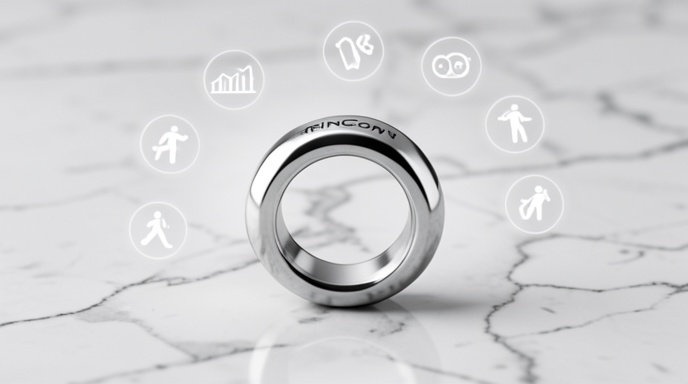
The RingConn Gen 3 has arrived with a promise that blends high-end aesthetics with advanced health monitoring, positioning itself as a piece of elegant jewelry that hides a powerful sensor array. Unlike bulky smartwatches, this device features a sleek, ergonomic profile available in brushed silver and rose gold, with an expanded size range from 6 to 15, making it accessible to a wider audience. The marketing narrative suggests a seamless integration of style and utility, where the ring serves as a silent guardian for your health without the visual intrusion of a screen.
However, the initial excitement surrounding its "jewelry-like" design quickly collides with the reality of its performance capabilities. While the device offers a subscription-free model—a significant advantage over competitors like Oura that require monthly fees for full data access—its core fitness tracking features reveal notable gaps. The Gen 3 is marketed as a comprehensive health tool, yet for users seeking rigorous workout data, it falls short in critical areas, particularly during high-intensity activities.
Aesthetic Wins vs. Fitness Tracking Failures
The RingConn Gen 3 excels in comfort and longevity, boasting a battery life that extends up to 14 days on a single charge, a slight improvement over the Gen 2's 12-day promise. In real-world testing, some users reported the Gen 3 lasting an impressive 17 days, surpassing even the manufacturer's claims. This longevity is a major selling point for those who want a "set it and forget it" device that doesn't require daily charging.
Yet, when the focus shifts to active fitness tracking, the device's performance deteriorates. The Gen 3 lacks built-in GPS, forcing users to carry their smartphones to map running routes or cycling paths. This dependency on a phone is a significant inconvenience for runners who prefer a truly standalone workout experience. More critically, the heart rate monitoring struggles significantly during high-intensity interval training (HIIT) and sprinting.
Reviewers have noted that while the ring handles consistent pacing and brisk walks well, it cannot keep up with rapid fluctuations in heart rate during intense intervals. For athletes who rely on precise heart rate data to optimize their training zones, the RingConn Gen 3 is a poor substitute for devices like the Apple Watch, which offers superior accuracy in these scenarios.
The Headache and Vascular Feature Disconnect
One of the most intriguing, yet controversial, features of the Gen 3 is its attempt to detect "headache signs" and monitor vascular health trends. The device introduces 24/7 vascular trend monitoring, a feature unique to the Gen 3 compared to the Oura Ring 4 and Ultrahuman Air. This feature tracks blood vessel health and builds baselines to warn of unusual deviations, potentially offering early insights into cardiovascular health.
However, the practical utility of the headache detection feature remains questionable. While the marketing highlights "headache signs" as a standout capability, user experiences and reviews suggest that this feature is not as reliable or actionable as the company implies. The device uses a vibration motor to alert users to wellness alerts, such as sitting too long or low battery, but the specific "headache" alerts lack the clinical precision needed for a true medical diagnostic tool.
Furthermore, the company initially marketed a "blood pressure insights" feature but later shifted its terminology to "vascular health" to avoid regulatory hurdles, indicating that the feature is more of a trend tracker than a direct blood pressure measurement. This rebranding suggests that users should view these metrics as general wellness indicators rather than precise medical data.
Why You Should Reconsider the Purchase
Despite its beautiful design and impressive battery life, the RingConn Gen 3 is a "beautiful disappointment" for fitness enthusiasts. The device is best suited for users who prioritize sleep tracking, stress monitoring, and daily activity insights over rigorous workout performance. The automatic three-night sleep apnea assessment program is a patient and useful screening tool that upgrades the manual process of the Gen 2.
If your primary goal is to track intense workouts, the RingConn Gen 3 is not the right choice. The lack of GPS and the inability to accurately track heart rate during high-intensity intervals make it inferior to dedicated sports watches. For those who need precise fitness data, the Apple Watch remains the superior option, offering built-in GPS and superior heart rate accuracy, albeit with a much shorter battery life of roughly 18–32 hours.
Better Alternatives for Functionality
For users who are willing to sacrifice the "jewelry" aesthetic for better performance, several alternatives offer superior functionality:
- Apple Watch Series: Ideal for serious athletes who need GPS and accurate heart rate tracking during HIIT and sprints. It sacrifices battery life for performance.
- Oura Ring 4: While it requires a subscription, the Oura Ring 4 offers a more refined sleep apnea assessment and a broader ecosystem of health insights, though it lacks the unique vascular trend monitoring of the RingConn Gen 3.
- Ultrahuman Air: A strong competitor in the smart ring space, though it also lacks the vascular trend monitoring feature found in the RingConn Gen 3.
In conclusion, the RingConn Gen 3 is a stunning piece of wearable technology that excels in style and battery life but fails to deliver the robust fitness tracking performance required by active users. Its headache detection and vascular features are promising but currently lack the reliability needed to replace traditional medical monitoring or high-end fitness trackers. If you value aesthetics over raw performance, the RingConn Gen 3 is a compelling choice, but for those who demand accuracy in their workouts, it is a device to reconsider.

Get All The Latest Updates Delivered Straight To Your Inbox For Free!