
Waze Unleashes AI Innovations with Google’s Gemini Integration
TL;DR
- Gemini-powered Conversational Reporting: Waze now lets drivers report road hazards like accidents or debris using natural voice commands instead of tapping icons, keeping eyes on the road.
- iOS Assistant Shift: Waze on iPhone is replacing Google Assistant with Gemini for voice interactions, while Android users will retain Google Assistant temporarily before the eventual switch.
- New Safety & Customization Features: The app is rolling out school zone alerts globally later this year and enhancing navigation with AI-driven parking details and route exploration.
A New Era for Voice-Driven Navigation
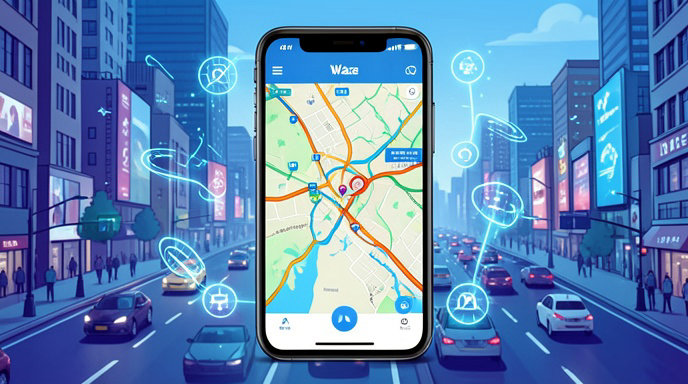
Google is fundamentally reshaping how drivers interact with navigation apps by integrating its advanced Gemini AI assistant directly into Waze. This major update transforms the app from a purely directional tool into a more interactive, conversational partner. The most significant change is the rollout of Conversational Reporting, a feature that allows users to describe road incidents verbally—such as "there’s a car stopped on the shoulder" or "a pothole ahead"—without needing to manually select from a pre-set list of icons. By leveraging natural language processing, Gemini interprets these casual descriptions and instantly converts them into real-time alerts for other drivers, significantly improving safety by keeping hands on the wheel and eyes on the road.
Gemini Takes Over on iOS
For iPhone users, this integration marks a strategic shift in Waze’s underlying technology. The app is officially ditching Google Assistant on iOS to replace it with Gemini, a move designed to overcome the limitations and ongoing difficulties previously faced with the older bot. The new Gemini-powered voice system is designed to understand a broader range of phrases and can ask follow-up questions to clarify details if a report is ambiguous. While Google Assistant remains active for Waze on Android devices for the foreseeable future, the transition to Gemini is expected to happen on Android as well in the coming months, aligning the platform across all devices.
Enhanced Safety and Customization Options
Beyond voice reporting, the Gemini integration brings new customization and safety features to the platform. Waze is rolling out school zone alerts on its maps, a feature that will notify drivers to slow down and be cautious of children walking near streets. This update, initially planned for later in the year, aims to provide critical awareness in residential areas. Additionally, the AI enhances the app’s ability to provide parking options near destinations, offering detailed information on availability and walking directions after a user departs their vehicle. These enhancements are part of Google’s broader effort to make navigation apps "entertainment guides" that offer curated tips on things to do, restaurants, and bars based on user preferences.
Competing in the Navigation Market
These AI innovations position Waze to better compete against rivals like Apple Maps and Google Maps itself. By offering a more fluid, conversational interface, Waze addresses a key user experience gap where competitors often require rigid menu navigation for reporting or querying. The ability to ask natural language questions about destinations and receive tailored recommendations allows Waze to function more like a smart travel companion rather than just a map. As Google expands these features from beta testing with trusted users to the global public, the app aims to leverage its 180 million monthly users to create a more connected and responsive driving ecosystem. The rollout of these features is currently active in the U.S. on Android and iOS, with plans to expand to more languages and regions in the coming months.

Get All The Latest Updates Delivered Straight To Your Inbox For Free!