
Revolutionizing Simplicity: The Light Phone's Anti-Smartphone Movement
TL;DR
- Light was founded by Joe Hollier and Kaiwei Tang, who met in Google’s 30 Weeks designer incubator and set out to build a phone that avoids the attention economy.
- The company’s core pitch is minimalism: fewer features, no social media, and a device designed to be used as little as possible.
- The Light Phone has evolved from a calls-only concept into a broader anti-smartphone movement, but its founders still frame it as a tool for healthier, less distracting technology use.
The Light Phone’s anti-smartphone thesis
Light’s origin story is rooted in a direct critique of modern smartphones. Co-founders Kaiwei Tang and Joe Hollier met in Google’s experimental 30 Weeks program in 2014 and later launched the first Light Phone through Kickstarter in May 2015. Their motivation, according to company and interview material, was to build something that pushed back against products optimized for ads, data collection, and endless engagement.
That idea has made the Light Phone more than just another niche handset. It has become a statement about how people want to relate to technology: less screen time, fewer interruptions, and a device that does only the essentials.
From Google incubator to startup mission
The founders’ collaboration began inside Google’s design-focused incubator, where they were encouraged to think differently about what products should do and who should build them. Tang has described the experience as a wake-up call: many apps and devices promised to “give you back your time,” but did not actually feel liberating in practice.
Instead of chasing the usual feature race, Light took the opposite approach. The original Light Phone was intentionally stripped down, and the company’s later devices expanded functionality only carefully, while preserving the core minimalist philosophy.
Why the Light Phone resonates now
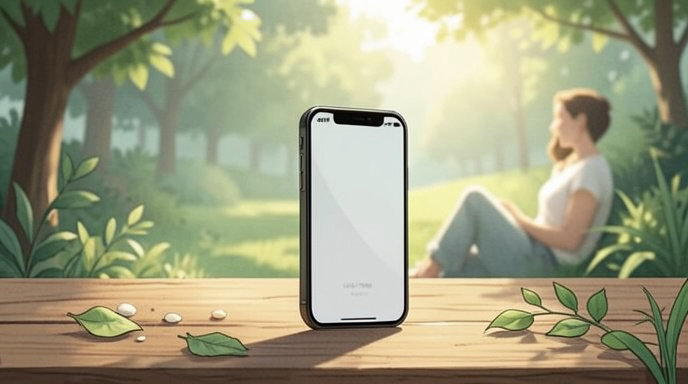
The Light Phone’s appeal has grown alongside broader public anxiety about phone addiction, constant notifications, and social media fatigue. The company explicitly positions its product as a healthier alternative to the dominant smartphone model, one that prioritizes utility over engagement.
Joe Hollier and Tang have repeatedly framed the product as a response to what they see as the costs of hyperconnectivity. In interviews, they said they wanted to build a tool that supports being present in real life rather than pulling users back into the attention economy.
What the device is, and what it is not
The Light Phone is not meant to replace a smartphone in every scenario. Instead, it is designed to handle a limited set of core tasks while avoiding the distractions that define mainstream mobile platforms. The original version could make and receive calls, while later versions added only carefully chosen features such as texting and other utilities depending on the model and configuration.
That restraint is central to its identity. The product is marketed as technology “designed to be used as little as possible,” which places it in a rare category: not a luxury phone, not a productivity powerhouse, but a deliberate anti-smartphone.
The business behind minimalism
Light’s founders initially used crowdfunding to validate the concept, then expanded through venture support over time. Reporting from earlier funding rounds described a company that had raised millions from investors including well-known names in tech and design circles, while keeping a relatively small core team.
That business model highlights a tension at the heart of Light’s story. The company sells a product that resists the usual growth logic of consumer tech, yet it still has to survive in a market dominated by devices that are more capable, more connected, and far more profitable.
A broader design movement, not just a device
Light’s influence goes beyond one handset. It reflects a growing design movement that questions whether more features always mean better technology. The founders’ message is that “better” may sometimes mean less: fewer apps, fewer notifications, and fewer mechanisms engineered to capture attention.
That message has remained consistent from the original Kickstarter era to newer Light Phone models. Even as the product line has evolved, the company’s central promise has stayed the same: to offer an intentional alternative to the smartphone status quo.
Why this story still matters in 2026
In a market where phones continue to get larger, smarter, and more intrusive, Light remains one of the clearest symbols of the countercurrent. The founders’ decade-long effort shows that there is durable demand for devices built around boundaries rather than endless connectivity.
The Light Phone’s continued relevance suggests that the anti-smartphone movement is not just nostalgia for simpler gadgets. It is a reaction to a broader cultural problem: many users want technology that serves them without consuming their attention in return.

Get All The Latest Updates Delivered Straight To Your Inbox For Free!