
Waymo Robotaxis Hit the Freeways: A New Era of Autonomous Rides
TL;DR
- Waymo has begun or expanded driverless freeway rides in Phoenix and other major markets, marking a major step beyond city-street-only robotaxi service.
- The company is rolling out freeway access gradually through trusted testers, employees, and select public riders, with safety and software tuning still central to deployment.
- Freeway capability could make robotaxis faster and more useful for longer trips, while also raising the bar for safety, routing, and regulation across autonomous mobility.
Waymo Robotaxis Hit the Freeways: A New Era of Autonomous Rides
Phoenix becomes the proving ground for freeway autonomy
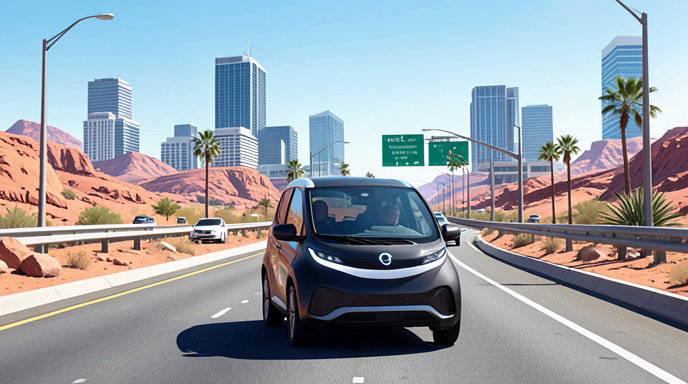
Waymo’s latest move is a significant milestone: its robotaxis are now operating on freeways in Phoenix as part of a broader rollout that also includes San Francisco and Los Angeles. The company has framed this as a phased expansion, building on years of testing and limited rider-only freeway trials before opening access more widely.
Phoenix has long been Waymo’s most important launchpad. The company has operated a public ride-hailing service there for years, and its new freeway capability extends that service beyond neighborhood streets into higher-speed travel corridors. That shift matters because freeway travel can dramatically reduce trip times on longer cross-town routes, especially in a metro area as spread out as Phoenix.
Why freeway access matters
For robotaxi users, freeway routing is more than a technical upgrade; it changes what the service can realistically compete with. Waymo has said freeway rides can be selected when they are significantly faster, and early reports suggest the feature can cut travel times substantially on some commutes.
That makes the service more practical for airport trips, suburb-to-city travel, and other longer-distance journeys where local streets are slow or inefficient. It also moves autonomous ride-hailing closer to the way human drivers actually use roads, blending surface-street navigation with highway segments in a single trip.
How Waymo is rolling it out
Waymo has taken a cautious approach. In early 2024, it said it would begin testing fully autonomous passenger cars without a human driver on Phoenix freeways, initially with employee riders before expanding to public users. Later reports indicate the company has been offering freeway rides first to trusted testers and select early-access riders rather than all customers at once.
That staged rollout reflects a broader pattern in Waymo’s deployment strategy: limited initial access, extensive data gathering, then gradual expansion as the system proves reliable in more complex conditions. The company has emphasized that its freeway operations are supported by updated safety protocols developed with state agencies, including Arizona and California traffic authorities.
Safety remains the key question
The biggest issue surrounding freeway robotaxis is not whether they can move fast, but whether they can do so safely in a far more unforgiving environment. Freeways bring high-speed lane changes, merges, construction zones, stalled vehicles, aggressive human drivers, and complex decision-making at speed.
Waymo has had to address that reality directly. Recent coverage noted that the company issued voluntary software recalls tied to instances where robotaxis had entered construction zones on freeways in Phoenix, underscoring how even mature autonomous systems still face edge cases that require rapid fixes. That makes freeway autonomy a test not just of driving skill, but of software resilience, mapping accuracy, and operational discipline.
The broader expansion: beyond Phoenix
Waymo is not limiting freeway operations to Arizona. The company says freeway access is rolling out in San Francisco, Los Angeles, and Phoenix, with future expansion expected to include additional cities such as Austin and Atlanta. In some markets, freeway rides are already available to growing numbers of riders, while in others the feature remains in testing.
Waymo has also expanded its service footprint alongside the freeway rollout, including new coverage in San Jose and airport-related service in some regions. That suggests the company sees freeway capability as part of a larger strategy to make robotaxis useful for more trip types, not just short urban hops.
What this means for urban mobility
If freeway autonomy works reliably at scale, the implications for urban transportation could be substantial. Robotaxis that can handle both city streets and highways can serve a wider range of trips, which makes them more competitive with personal cars and ride-hailing services driven by humans.
That could improve convenience for riders who want door-to-door service without driving, and it could also support a more integrated mobility network in which autonomous vehicles connect dense urban areas to airports, suburbs, and regional job centers. At the same time, freeway access raises the expectations placed on AV systems: they must be not only safe in isolation, but consistent across different road types and traffic patterns.
The future of autonomous transport
Waymo’s freeway rollout is a sign that the autonomous vehicle industry is moving into a more mature phase. The early era of proving that driverless cars could handle city blocks is giving way to a harder question: can they handle the full range of real-world travel, including high-speed corridors and mixed environments?
For Waymo, the answer appears to be “not all at once, but increasingly yes.” The company’s gradual expansion strategy suggests freeway robotaxis will continue to spread city by city, ride by ride, as the software improves and public confidence grows. If that trajectory holds, freeway access could become a defining feature of the next generation of autonomous ride-hailing rather than a novelty reserved for limited trials.

Get All The Latest Updates Delivered Straight To Your Inbox For Free!