
Reservoir Raises $8M to Turn Smart Water Heaters Into Grid-Saving Home Batteries
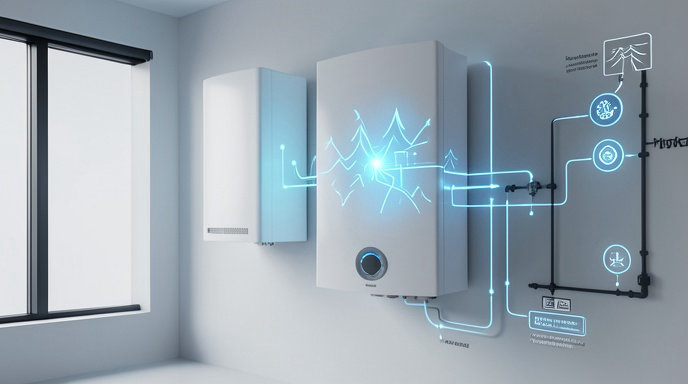
TL;DR
- Startup Reservoir has raised an $8M seed round to transform the humble water heater into an ultra-efficient, grid-responsive thermal battery for the modern home.
- Its smart electric heat pump water heater uses predictive AI to learn household habits and heat water at the cheapest, cleanest times without ever running cold.
- Beyond energy savings, the system doubles as a whole-home plumbing leak detection platform, monitoring water flow to catch leaks and prevent costly damage.
Reinventing the Most Overlooked Appliance in Your Home
For decades, the water heater has been the most boring, energy-hungry box in the house. It quietly accounts for nearly 20% of a typical home's energy use, firing up at the most expensive times of day and wasting heat around the clock. San Francisco-based startup Reservoir thinks it's time for a complete reinvention, and investors are buying in. The company has just announced an $8M seed funding round to scale its next-generation smart water heater.
The round was led by climate-tech investors with participation from existing backers and angel investors from Tesla, Nest, and other energy and hardware veterans. Reservoir says the capital will be used to accelerate manufacturing, expand its engineering team, and roll out its first customer installations across California before a broader national launch.
A Thermal Battery Hiding in Plain Sight
Reservoir's core insight is simple but powerful: a water heater is already a battery. A well-insulated tank full of hot water stores a tremendous amount of energy as heat, and it can hold that energy for hours with minimal loss. Reservoir is turning that tank into a grid-responsive energy asset.
Instead of heating water on demand at peak rates, Reservoir's heat pump system intelligently stores energy when electricity is cheap and clean. It can automatically pre-heat water when solar power is abundant mid-day or when grid prices dip overnight, then coast through expensive evening peak hours without drawing power. For utilities and grid operators, fleets of these connected heaters act like a massive, distributed battery that can soak up excess renewable energy and reduce strain during demand spikes, without any sacrifice in comfort for the homeowner.
The company estimates its heat pump technology is up to 400% more efficient than a conventional gas or electric resistance heater, cutting water heating costs by more than half while also eliminating on-site carbon emissions.
Predictive Hot Water That Never Runs Cold
Efficiency means nothing if you run out of hot water. That's where Reservoir's predictive technology comes in.
Unlike traditional timers or basic smart heaters, Reservoir's system uses machine learning to build a personalized hot water profile for each household. It learns when you shower, run the dishwasher, or do laundry, and continuously adapts to changes in routine, weather, and even guest visits. Sensors inside the tank monitor temperature stratification in real time, while the software forecasts demand for the next 24 hours.
The result is just-in-time heating. The system ensures a full tank is ready right before you need it, but avoids keeping the entire tank scalding hot 24/7. Users get reliable hot water on demand, lower bills, and an app that shows energy use, savings, and grid impact in real time.
Built-In Protection: Whole-Home Leak Detection
Reservoir added another critical feature that sets it apart from other smart water heaters: built-in, whole-home plumbing leak detection and prevention.
Using integrated flow sensors and pressure monitoring, the unit learns the normal water signature of the entire house. It can detect everything from a slow, pinhole leak behind a wall to a burst pipe or a continuously running toilet, often before any visible damage occurs. If a major leak is detected, the system can automatically shut off water flow and instantly alert the homeowner via the app.
With water damage being one of the most common and expensive home insurance claims, this feature turns the water heater from a passive appliance into an active home protection system. The company says this capability alone could save homeowners thousands in potential repairs and help insurers lower risk.
Why Water Heaters Are The Next Big Climate Tech Bet
The timing for Reservoir couldn't be better. With the push to electrify homes, generous federal incentives for heat pump appliances through the Inflation Reduction Act, and growing utility programs that pay customers to shift energy use, the market for grid-connected home hardware is exploding.
Utilities are desperate for flexible demand. As more solar and wind come online, the ability to shift large loads like water heating by even a few hours is incredibly valuable for balancing the grid and avoiding blackouts. Reservoir plans to partner directly with utilities and energy providers, allowing customers to enroll in virtual power plant programs and earn bill credits for letting their heater respond to grid signals.
By combining decarbonization, bill savings, grid services, and home protection into a single, beautifully designed appliance, Reservoir is making a compelling case that the next great home battery won't be in your garage. It will be in your utility closet.

Get All The Latest Updates Delivered Straight To Your Inbox For Free!