
Google Gemini Will Call Businesses for You: Pixel 11 Exclusive Explained
TL;DR
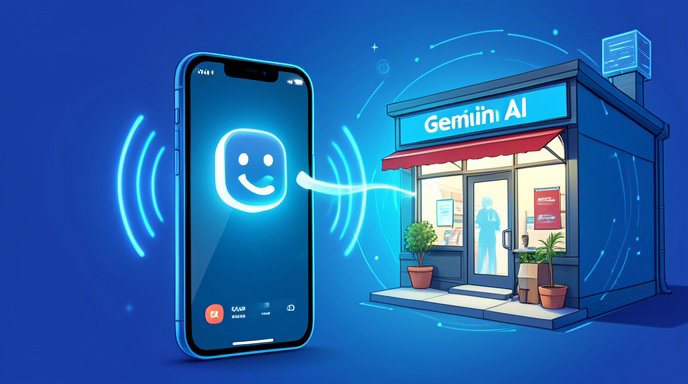
- Google is testing agentic calling in Gemini that lets the AI phone local businesses to verify hours, pricing, and availability, then summarizes the answers for you.
- The feature is launching first in the U.S. for paying Gemini subscribers on the new Pixel 11 lineup to limit rollout and test performance on-device.
- It marks Google's biggest push yet to turn Gemini from a chatbot into a proactive assistant that completes real-world tasks.
How It Works: Gemini Picks Up the Phone So You Don't Have To
Imagine you want to know if a bike shop has a specific model in stock, how much a salon charges for a haircut, or if a restaurant is open late on Sundays. Instead of calling yourself, you just ask Gemini.
According to Google's rollout details, you can type or speak a prompt like "Call Green Leaf Thai to check if they're open on Labor Day and if they take walk-ins." Gemini confirms what to ask, then places the call in the background using an AI voice that identifies itself as Google's AI assistant calling on behalf of a user.
During the call, Gemini uses natural language understanding descended from Duplex and Google Assistant's Hold For Me and Call Screen technology to navigate menus, wait on hold, and ask follow-up questions. Once finished, you get a notification with a concise summary, plus a full transcript and an audio recording of the call. If the business doesn't answer or blocks automated calls, Gemini tells you and suggests alternatives like checking the website or calling yourself.
For now, the calls are limited to non-sensitive inquiries - hours, pricing, availability, pet policies, reservations - not purchases, medical offices, or emergency services.
Why Pixel 11 and Paying Subscribers First
Google says the U.S.-only, Pixel 11-first launch is intentional, not just a marketing perk.
First, it needs tight hardware and software integration. The Pixel 11 series with Tensor G6 handles much of the call reasoning and spam-detection on-device, reducing latency and improving privacy. Google can monitor call quality and failure rates on a controlled set of devices before expanding to Pixel 10, Pixel 9, and eventually Android at large.
Second, it's a subscriber incentive. Access requires a paid Google AI Pro or AI Ultra plan, which already includes Gemini Advanced, NotebookLM perks, and 2TB of storage. Agentic calling is expensive - every call uses voice models, telephony infrastructure, and human review for quality control. Limiting it to paying users helps Google manage cost while testing willingness to pay for truly useful AI agents.
Third, U.S. regulations around AI disclosure and robocalls are clearer than a global rollout. Gemini is required to announce itself as automated, calls are recorded with consent notices, and businesses can opt out of AI calls via Google Business Profile settings.
From Duplex Demo to Everyday Tool
This isn't Google's first attempt at AI calling. Back in 2018, Duplex stunned the world by booking hair appointments with eerily human "ums" and pauses. But Duplex never scaled widely, stuck inside Assistant for narrow restaurant reservations.
What's different now is Gemini's reasoning. Instead of a scripted flow, Gemini can generate questions dynamically, understand unexpected answers like "we're closed for remodeling until October," and cross-reference that with Maps, Search, and your calendar. For example, if you ask it to check three plumbers for Saturday availability and pricing, it can call all three in parallel and present a comparison table.
Google is also positioning it as business-friendly. Businesses see verified caller ID labeled as Google, get transcripts on request, and won't be spammed - Gemini limits repeat calls and respects quiet hours.
What It Means for the Future of AI Assistants
If this test succeeds, it signals a major shift from chatbots that answer questions to agents that take action.
Apple is exploring similar live-call features with Apple Intelligence, Amazon is adding agent capabilities to Alexa+, and startups like Bland and Retell are racing to automate phone work. But Google has a unique advantage: Search, Maps, Android, and a decade of call-screening data.
Analysts see three big implications. One, local search could change - you may never need to parse outdated business hours on Maps again if Gemini just calls. Two, small businesses will need to prepare for AI customers, updating voicemail systems and business listings to be AI-readable. Three, privacy and trust will be the battleground, as users weigh convenience against having AI make calls in their voice.
For now, Pixel 11 owners in the U.S. with a paid Gemini plan are the guinea pigs. Google hasn't confirmed pricing limits - like how many calls per month are included - or when the feature will expand to free users and other countries. But the message is clear: the next era of assistants won't just tell you what to do, they'll do the boring phone call for you.

Get All The Latest Updates Delivered Straight To Your Inbox For Free!