
Meta Launches Camera-Free AI Glasses With Lighter Design and 12-Hour Battery
TL;DR
- Meta's new camera-free AI glasses drop the camera for a lighter, more comfortable frame with up to 12 hours of battery life focused on audio-first Meta AI interactions.
- Without a camera, the glasses sidestep recording concerns while still offering hands-free assistance, music, calls, and live translation via open-ear speakers and microphones.
- Compared to camera-equipped Ray-Ban Meta models, the new lineup trades photo/video capture and visual AI for longer endurance, lower price, and broader social acceptance.
Why No Camera Changes Everything
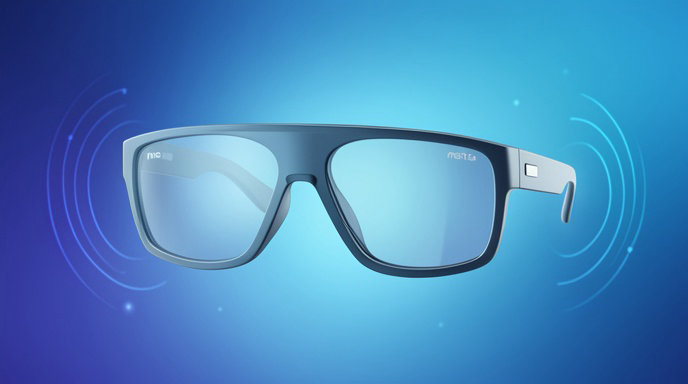
Meta is betting that the next big wave of smart glasses wearers doesn't want a camera on their face. The newly unveiled camera-free AI glasses keep the core Meta AI experience — voice assistant, music, calls, and messaging — while removing the component that has caused the most friction: the front-facing camera.
By going camera-free, Meta was able to shrink the frame, reduce weight, and free up internal space for a larger battery. The result is a pair of glasses that looks and feels far closer to regular eyewear than any previous Meta wearable, weighing significantly less than the current Ray-Ban Meta and Oakley Meta HSTN models.
Designed for All-Day Comfort
Weight and comfort are the headline story here. Without a camera module, image signal processor, and associated heat and power demands, Meta has delivered a noticeably slimmer profile with thinner temples and more balanced weight distribution.
The glasses are available in multiple classic frame styles and support prescription lenses, with flexible nose pads and a more inclusive fit range. Meta says the goal was simple: make a pair you forget you're wearing, whether you're commuting, working, or heading out for the evening.
Battery Life That Lasts 12 Hours
Battery life is the other major leap. Meta promises up to 12 hours of typical use on a single charge, nearly triple the mixed-use endurance of its camera-equipped Ray-Ban Meta Display models.
That figure covers continuous Meta AI access, Bluetooth audio streaming, and voice calls. A pocketable charging case provides additional top-ups, and a quick 15-minute charge is said to deliver hours of use. For users frustrated by having to ration smart features to make it through the day, this alone could be the killer feature.
Meta AI Without the Lens
Just because there's no camera doesn't mean there's no AI. The glasses feature a multi-microphone array and open-ear speakers that let you talk to Meta AI hands-free with a simple "Hey Meta" wake phrase.
You can ask questions, set reminders, send texts, get turn-by-turn directions read aloud, control Spotify and Apple Music, make calls, and use live translation for in-person conversations. What you lose is visual intelligence — no point-and-ask about what you're looking at, no hands-free photos, videos, or live streaming to Instagram.
For many everyday tasks, Meta argues voice plus context from your phone is enough, especially when paired with improved noise cancellation and on-device voice detection.
Privacy Benefits Take Center Stage
Privacy is where the camera-free approach truly shines. Camera-equipped smart glasses have faced bans in bars, gyms, theaters, workplaces, and pushback over LED recording indicators and facial recognition fears.
With no camera hardware at all, these new glasses eliminate recording anxiety by design. There's nothing to cover, no LED to monitor, and no video to accidentally capture. That makes them far more welcome in offices, classrooms, healthcare settings, and social gatherings.
Meta is leaning heavily into this message, positioning the device as the socially frictionless path to wearable AI — all the helpfulness, none of the side-eye.
How They Compare to Camera-Equipped Smart Glasses
Compared to the flagship Ray-Ban Meta Gen 2 and Ray-Ban Meta Display, the trade-offs are clear.
Camera models offer 12MP photos, 3K video, livestreaming, and multimodal AI that can see what you see and describe menus, signs, artwork, or fix-it projects. They are creator tools and accessibility powerhouses, but they are heavier, shorter-lived at around 4 to 8 hours depending on use, and more expensive.
The camera-free glasses flip that formula: no capture, no visual AI, but lighter comfort, 12-hour endurance, a lower expected price point, and no privacy hurdles. Think of them as AI-powered audio glasses and a direct successor to the Bose Frames and Amazon Echo Frames concept, but with Meta's far more capable assistant ecosystem.
Who Are They For
Meta isn't replacing its camera glasses — it's expanding the lineup. The camera-free model is aimed at first-time buyers, prescription glasses wearers, privacy-sensitive workplaces, and anyone who wants an AI companion for audio, communication, and productivity without becoming a lifecasting camera operator.
If you want to film POV vlogs or have AI identify what’s in front of you, you’ll still want the Ray-Ban Meta. If you want lightweight, all-day Meta AI, music, and calls that look like normal glasses and last from morning to night, this new camera-free option may be the smarter pick.

Get All The Latest Updates Delivered Straight To Your Inbox For Free!